Kirjojen hintavertailu – 12 903 725 kirjaa ja 27 kauppaa

Kirjailija

Steve Roud

Kirjat ja teokset yhdessä paikassa: 10 kirjaa, julkaisuja vuosilta 2006–2021, suosituimpiin kuuluu The New Penguin Book of English Folk Songs. Vertaile teosten hintoja ja tarkista saatavuus suomalaisista kirjakaupoista.

10 kirjaa

Kirjojen julkaisuvuodet: 2006–2021.

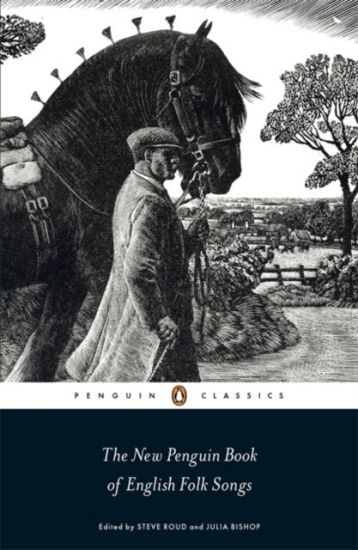
The New Penguin Book of English Folk Songs

The New Penguin Book of English Folk Songs

Julia Bishop; Steve Roud

Penguin Classics
2014
pokkari

Halvin toimitettuna 20,30 €

The definitive collection of folk music - one of the great English popular art formsOne of the great English popular art forms, the folk song can be painful, satirical, erotic, dramatic, rueful or funny. This magical new collection brings together all the classic folk songs as well as many lesser-known discoveries, complete with music and annotations on their original sources and meaning. Published in cooperation with the English Folk Dance and Song Society, it is a worthy successor to Ralph Vaughan Williams and A. L. Lloyd's original Penguin Book of English Folk Songs.
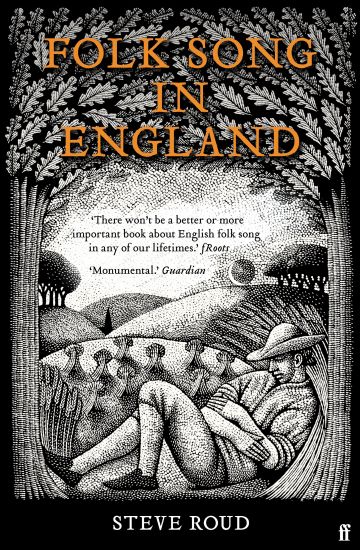
Folk Song in England

Folk Song in England

Steve Roud

Faber Faber
2021
pokkari

Halvin toimitettuna 33,90 €

Longlisted for the Penderyn Music Book PrizeEngland was once dubbed 'the land without music', but in the early twentieth century collectors and enthusiasts such as Cecil Sharp, Ralph Vaughan Williams and Percy Grainger discovered a vital heritage of folk song, vibrant and alive among working men and women. Yet after more than a century of collecting, publishing and performing songs, there are still many things we don't know about England's traditional music. Where did the songs come from? Who sang them, and where, when and why? Why did some songs thrive, and did the collectors' passions and prejudices determine what was preserved, and what was lost? In answer to these questions, acclaimed folklorist Steve Roud has drawn on an unprecedented range of sources to present an intricate social history of folk song through the ages, from the sixteenth to the early twentieth century. It is an absorbing and impeccably researched account that gives a sonorous voice to England's past.
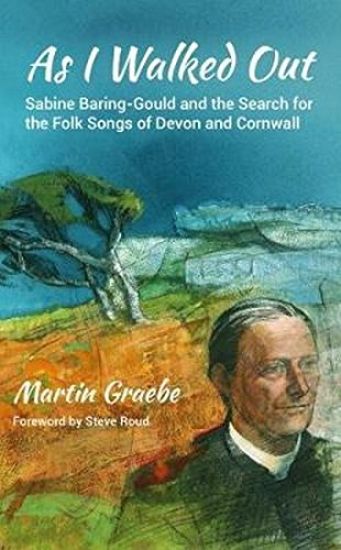
As I Walked Out

As I Walked Out

Martin Graebe; Steve Roud

Signal Books Ltd
2017
nidottu
Shortly before his death, the Devonshire-born cleric, writer and antiquarian, Sabine Baring-Gould (1834-1924) wrote: 'To this day I consider that the recovery of our West Country melodies has been the principal achievement of my life.' Though there have been a number of biographies of this Victorian polymath, none has looked in detail at his role as a leading figure in the English folk song. Most of Baring-Gould's childhood was spent travelling in Europe with his family. Away from the influences of a conventional education he explored the mythology, romances and folklore of northern Europe and took particular delight in the Icelandic sagas. He entered the church at the age of thirty and became a curate in Yorkshire where he accumulated folk tales, riddles and the first of the thousands of traditional songs he collected during his long life. He inherited the Lew Trenchard estate in Devon to become both squire and parson of this little parish. It was in 1888 that a chance remark at dinner prompted his hunt for old songs in the area around his home. From Lew Trenchard he travelled around Devon and Cornwall to meet the singers in their pubs and their cottages and to coax them to part with their old songs. He used his celebrity status as a leading novelist and writer to bring the folk songs of the West Country to a wider audience through his publications, lectures, costume concerts and the first folk opera, Red Spider, based on one of his novels and on songs he had heard. The books of songs that he published have been criticised for the way in which he edited them for publication, striking out coarse material or rewriting songs but, in doing so, he was acknowledging the limits and demands of public taste of his time. Martin Graebe has been fascinated by Baring-Gould for many years, but the re-discovery of a large quantity of his personal papers in 1992 propelled him towards a re-evaluation of Baring-Gould's work on folk song. What he has uncovered is a fascinating collaborative project between Baring-Gould and the musicians, singers and ordinary members of the public in Devon and Cornwall. He also looks at his relationships with other folk song collectors such as Lucy Broadwood, Ralph Vaughan Williams and Cecil Sharp. This book will be of interest, not just to enthusiasts for English folk song, but also to those who wish to know more about their place in the lives of the ordinary people of the late nineteenth century.

A Dictionary of English Folklore

A Dictionary of English Folklore

Jacqueline Simpson; Steve Roud

Oxford University Press
2016
sidottu
This dictionary is part of the Oxford Reference Collection: using sustainable print-on-demand technology to make the acclaimed backlist of the Oxford Reference programme perennially available in hardback format. An engrossing guide to English folklore and traditions, with over 1,250 entries. Folklore is connected to virtually every aspect of life, part of the country, age group, and occupation. From the bizarre to the seemingly mundane, it is as much a feature of the modern technological age as of the ancient world. BL Oral and Performance genres-Cheese rolling, Morris dancing, Well-dressingEL BL Superstitions-Charms, Rainbows, WishbonesEL BL Characters-Cinderella, Father Christmas, Robin Hood, Dick WhittingtonEL BL Supernatural Beliefs-Devil's hoofprints, Fairy rings, Frog showersEL BL Calendar Customs-April Fool's Day, Helston Furry Day, Valentine's DayEL
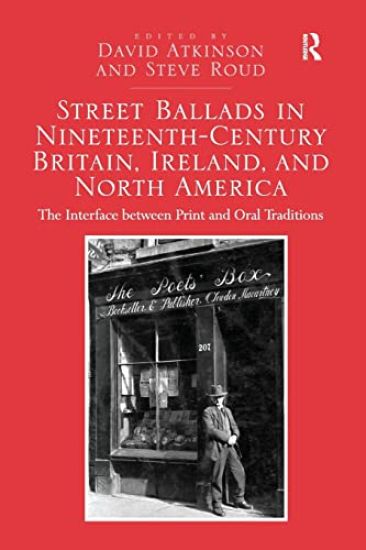
Street Ballads in Nineteenth-Century Britain, Ireland, and North America
In recent years, the assumption that traditional songs originated from a primarily oral tradition has been challenged by research into ’street literature’ - that is, the cheap printed broadsides and chapbooks that poured from the presses of jobbing printers from the late sixteenth century until the beginning of the twentieth. Not only are some traditional singers known to have learned songs from printed sources, but most of the songs were composed by professional writers and reached the populace in printed form. Street Ballads in Nineteenth-Century Britain, Ireland, and North America engages with the long-running debate over the origin of traditional songs by examining street literature’s interaction with, and influence on, oral traditions.
Street Ballads in Nineteenth-Century Britain, Ireland, and North America
In recent years, the assumption that traditional songs originated from a primarily oral tradition has been challenged by research into ’street literature’ - that is, the cheap printed broadsides and chapbooks that poured from the presses of jobbing printers from the late sixteenth century until the beginning of the twentieth. Not only are some traditional singers known to have learned songs from printed sources, but most of the songs were composed by professional writers and reached the populace in printed form. Street Ballads in Nineteenth-Century Britain, Ireland, and North America engages with the long-running debate over the origin of traditional songs by examining street literature’s interaction with, and influence on, oral traditions.
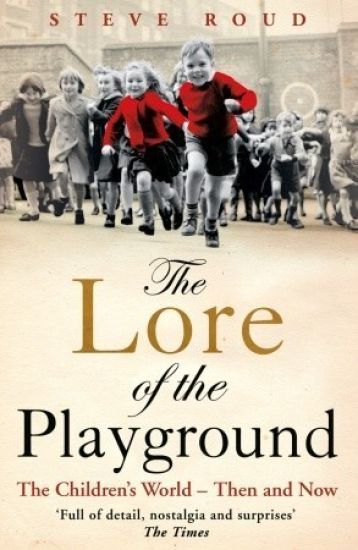
The Lore of the Playground

The Lore of the Playground

Steve Roud

Arrow Books Ltd
2011
pokkari
From conkers to marbles, from British Bulldog to tag, not forgetting 'one potato, two potato' and 'eeny, meeny, miny, mo', The Lore of the Playground looks at the games children have enjoyed, the rhymes they have chanted and the rituals and traditions they have observed over the past hundred years and more. Each generation, it emerges, has had its own favourites - hoops and tops in the 1930s, clapping games more recently. Some pastimes, such as skipping, have proved remarkably resilient, their complicated rules carefully handed down from one class to the next. Many are now the stuff of distant memory. And some traditions have proved to be strongly regional, loved by children in one part of the country, unknown to those elsewhere. All are brilliantly and meticulously recorded by Steve Roud, who has drawn on interviews with hundreds of people aged from 8 to 80 to create a fascinating picture of all our childhoods.
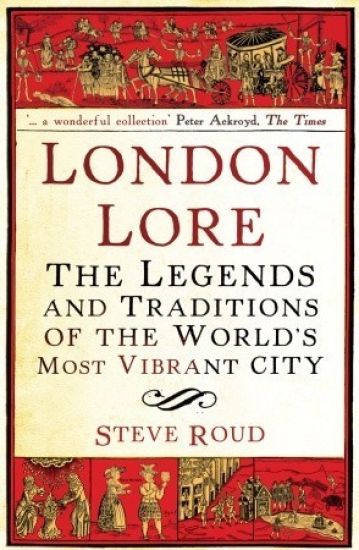
London Lore

London Lore

Steve Roud

Arrow Books Ltd
2010
pokkari

Halvin toimitettuna 26,90 €

In which part of North London were wild beasts once thought to roam the sewers? Why did 1920s working-class Londoners wear necklaces of blue beads? Who was the original inspiration for the 'pearly king' costume? And did Spring-heeled Jack, scourge of Victorian London, ever really exist? Exploring everything from local superstitions and ghost stories to annual customs, this is an enchanting guide to the ancient legends and deep-rooted beliefs that can be found the length and breadth of the city.
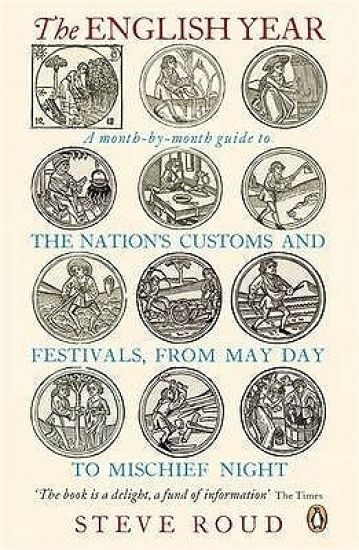
The English Year

The English Year

Steve Roud

Penguin Books Ltd
2008
pokkari

Halvin toimitettuna 29,90 €

This enthralling book will take you, month-by-month, day-by-day, through all the festivities of English life. From national celebrations such as New Year’s Eve to regional customs such as the Padstow Hobby Horse procession, cheese rolling in Gloucestershire and Easter Monday bottle kicking in Leeds, it explains how they originated, what they mean and when they occur. A fascinating guide to the richness of our heritage and the sometimes eccentric nature of life in England, The English Year offers a unique chronological view of our social customs and attitudes
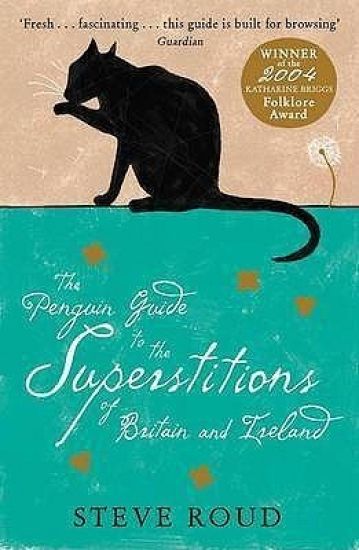
The Penguin Guide to the Superstitions of Britain and Ireland
Are black cats lucky or unlucky? What should you do when you hear the first cuckoo? Since when have people believed that it's unlucky to shoot an albatross? Why does breaking a mirror lead to misfortune? This fascinating collection answers these and many other questions about the world of superstitions and forms an endlessly browsable guide to a subject that continues to obsess and intrigue.