
Kirjojen hintavertailu – 12 903 725 kirjaa ja 27 kauppaa

Kirjailija

Steve Wasserman

Kirjat ja teokset yhdessä paikassa: 3 kirjaa, julkaisuja vuosilta 2019–2025, suosituimpiin kuuluu The Battle for People's Park, Berkeley 1969. Vertaile teosten hintoja ja tarkista saatavuus suomalaisista kirjakaupoista.

3 kirjaa

Kirjojen julkaisuvuodet: 2019–2025.

Tell Me Something, Tell Me Anything, Even If It's a Lie
Now in paperback: an exhilarating journey through the world of books, ideas, and activism; a finalist for the Foreword Reviews INDIES Editor's Choice Prize for Nonfiction. "Steve Wasserman is a treasure of American letters and his book is a testament, above all, to a literary life lived to the fullest." —Héctor TobarBorn on the West Coast, the son of Bronx-born parents, Steve Wasserman is a generalist and public intellectual but is perhaps less well known as a cultural essayist and social critic of the first rank. In thirty splendid essays, originally published in such diverse publications as the New Republic and The Nation, The American Conservative and The Progressive, The Village Voice and the Los Angeles Times, Wasserman delivers a riveting account of the awakening of an empathetic sensibility and a lively mind. Taken together, they reveal the depth and breadth of his enthusiasms and range over politics, literature, and the tumults of a world in upheaval. They include the remarkable tale of a bookstore owner who wouldn't let him buy the books he wanted, to his brave against-the-grain take on the Black Panthers, to his shrewd assessment of the fast-changing world of publishing. Here is, as Joyce Carol Oates notes, "arguably the best concise history of Cuba and the legendary Fidel Castro; beautifully composed eulogies for two close friends, Susan Sontag and Christopher Hitchens; sharply perceptive commentary on Daniel Ellsberg; a thrillingly candid interview with W. G. Sebald."
Tell Me Something, Tell Me Anything, Even If It's a Lie
An exhilarating journey through the world of books, featuring personal reflections on Susan Sontag, Huey Newton, Barbra Streisand, W. G. Sebald, and Christopher Hitchens." A troublemaker of the good kind since his youth, Wasserman continues to inspire with his vigorous dedication to the life of the mind, exhibited with clarity and grace in this book." —Viet Thanh NguyenBorn on the West Coast, the son of Bronx-born parents, Steve Wasserman is a generalist and public intellectual but is perhaps less well known as a cultural essayist and social critic of the first rank. In thirty splendid essays, originally published in such diverse publications as The New Republic and The Nation, The American Conservative and The Progressive, The Village Voice and The Economist, Wasserman delivers a riveting account of the awakening of an empathetic sensibility and a lively mind. Taken together, they reveal the depth and breadth of his enthusiasms and range over politics, literature, and the tumults of a world in upheaval. These essays include the remarkable tale of a bookstore owner who wouldn't let him buy the books he wanted, to his brave against-the-grain take on the Black Panthers, to his shrewd assessment of the fast-changing world of publishing. Here is, as Joyce Carol Oates notes, "arguably the very best concise history of Cuba and the legendary Fidel Castro; beautifully composed eulogies for two close friends, Susan Sontag and Christopher Hitchens; sharply perceptive commentary on Daniel Ellsberg; a thrillingly candid interview with W. G. Sebald."
The Battle for People's Park, Berkeley 1969

The Battle for People's Park, Berkeley 1969

Tom Dalzell; Todd Gitlin; Steve Wasserman

Heyday Books
2019
sidottu
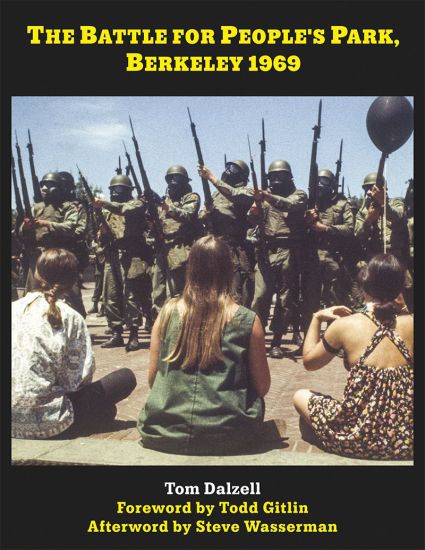
“Resplendent.... A masterwork of history.”—Ron Jacobs, CounterpunchIn eyewitness testimonies and hundreds of remarkable photographs, The Battle for People's Park, Berkeley 1969 commemorates the fiftieth anniversary of one of the most searing conflicts that closed out the tumultuous 1960s: the Battle for People's Park. In April 1969, a few Berkeley activists planted the first tree on a University of California-owned, abandoned city block on Telegraph Avenue. Hundreds of people from all over the city helped build the park as an expression of a politics of joy. The University was appalled, and warned that unauthorized use of the land would not be tolerated; and on May 15, which would soon be known as Bloody Thursday, a violent struggle erupted, involving thousands of people. Hundreds were arrested, martial law was declared, and the National Guard was ordered by then-Governor Ronald Reagan to crush the uprising and to occupy the entire city. The police fired shotguns against unarmed students. A military helicopter gassed the campus indiscriminately, causing schoolchildren miles away to vomit. One man died from his wounds. Another was blinded. The vicious overreaction by Reagan helped catapult him into national prominence. Fifty years on, the question still lingers: Who owns the Park?