Kirjojen hintavertailu – 12 859 818 kirjaa ja 27 kauppaa

Kirjailija

Steven Botterill

Kirjat ja teokset yhdessä paikassa: 3 kirjaa, julkaisuja vuosilta 1994–2009, suosituimpiin kuuluu Dante and the Mystical Tradition. Vertaile teosten hintoja ja tarkista saatavuus suomalaisista kirjakaupoista.

3 kirjaa

Kirjojen julkaisuvuodet: 1994–2009.
Inferno

Inferno

Dante Alighieri; Steven Botterill; Anthony Oldcorn

Hackett Publishing Co, Inc
2009
pokkari
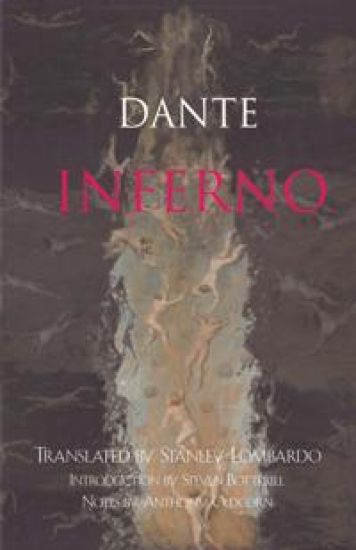
Offers a bilingual text and features a translation of the canticle of "The Divine Comedy" by the translator of Virgil's "Aeneid" and Homer's "Iliad" and "Odyssey". This title includes Introduction and Notes by Anthony Oldcorn.
Dante and the Mystical Tradition

Dante and the Mystical Tradition

Steven Botterill

Cambridge University Press
2005
pokkari

Halvin toimitettuna 39,70 €

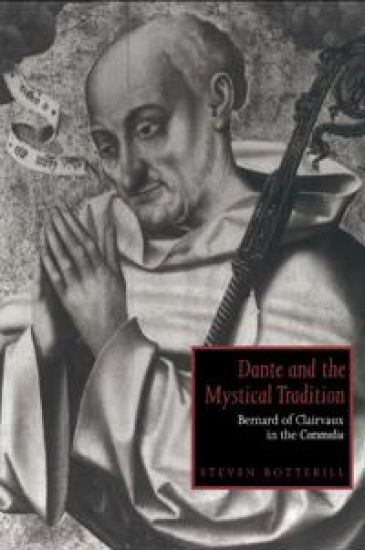
In this study, Steven Botterill explores the intellectual relationship between the greatest poet of the fourteenth century, Dante, and the greatest spiritual writer of the twelfth century, Bernard of Clairvaux. Botterill analyses the narrative episode involving Bernard as a character in the closing cantos of the Paradiso, against the background of his medieval reputation as a contemplative mystic, devotee of Mary, and, above all, a preacher of outstanding eloquence. Botterill draws on a wide range of materials to establish and illustrate the connections between Bernard's reputation and his portrayal in Dante's poem. Botterill's fresh approach to the analysis of the whole episode will provoke the reader to re-evaluate the significance and implications of Bernard's presence in the Commedia.
Dante and the Mystical Tradition

Dante and the Mystical Tradition

Steven Botterill

Cambridge University Press
1994
sidottu
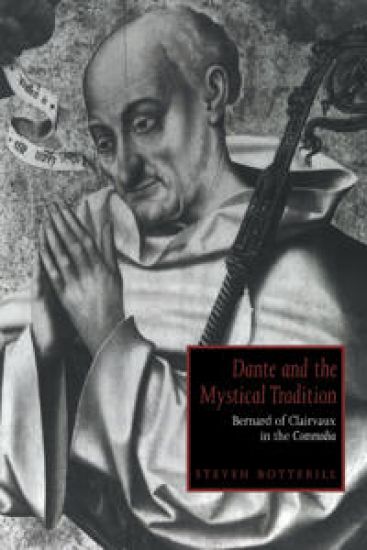
In this study, Steven Botterill explores the intellectual relationship between the greatest poet of the fourteenth century, Dante, and the greatest spiritual writer of the twelfth century, Bernard of Clairvaux. Botterill analyses the narrative episode involving Bernard as a character in the closing cantos of the Paradiso, against the background of his medieval reputation as a contemplative mystic, devotee of Mary, and, above all, a preacher of outstanding eloquence. Botterill draws on a wide range of materials to establish and illustrate the connections between Bernard’s reputation and his portrayal in Dante’s poem. Botterill’s fresh approach to the analysis of the whole episode will provoke the reader to re-evaluate the significance and implications of Bernard’s presence in the Commedia.