Kirjojen hintavertailu – 12 859 818 kirjaa ja 27 kauppaa
Kirjailija
Steven C. Hayes
Kirjat ja teokset yhdessä paikassa: 45 kirjaa, julkaisuja vuosilta 1985–2026, suosituimpiin kuuluu Mastering the Clinical Conversation. Vertaile teosten hintoja ja tarkista saatavuus suomalaisista kirjakaupoista.
What do evolutionary science and contextual behavioral science have in common? Edited by David Sloan Wilson and Steven C. Hayes, this groundbreaking book offers a glimpse into the histories of these two schools of thought, and provides a sound rationale for their reintegration. Evolutionary science (ES) provides a unifying theoretical framework for the biological sciences, and is increasingly being applied to the human-related sciences. Meanwhile, contextual behavioral science (CBS) seeks to understand the history and function of human behavior in the context of everyday life where behaviors occur, and to influence behavior in a practical sense. This volume seeks to integrate these two bodies of knowledge that have developed largely independently. In Evolution and Contextual Behavioral Science, two renowned experts in their fields argue why ES and CBS are intrinsically linked, as well as why their reintegration-or, reunification-is essential. The main purpose of this book is to continue to move CBS under the umbrella of ES, and to help evolutionary scientists understand how working alongside contextual behavioral scientists can foster both the development of ES principles and their application to practical situations. Rather than the sequential relationship that is typically imagined between these two schools of thought, this volume envisions a parallel relationship between ES and CBS, where science can best influence positive change in the real world.
Aksept og verdibasert atferdsterapi(ACT)Mindful endring - prosess og praksis er en oppdatert utgave av de første bøkene om terapiformen Acceptance and Commitment Therapy (ACT), skrevet av de tre opphavsmennene. Siden førsteutgaven utkom i 1999, har ACT utviklet seg betydelig begrepsmessig, teknologisk og empirisk, og et stort antall praktikere anser nå terapiformen som en velegnet og effektiv måte å skape forskning på. Denne utgaven fokuserer på den psykologiske fleksibilitetsmodellen som en samlet modell for menneskelig fungering og fokuserer på psykologisk fleskibilitet som veien til forandring og utbedring av en lang rekke av kliniske problemstillinger. I tillegg er boken utvidet med beskrivelser bl.a. mindfulnessprosesser, den terapeutisk relasjon, caseformuleringer og sammenhengen mellom ACT og kognitiv atferdsterapi. Forfatterne beskriver dessuten effektive og innovative måter å utvikle psyksik fleksibilitet ved å anvende og fokusere på de seks sentrale prosesser i ACT: defusjon, aksept, feksibel oppmerksomhet i forhold til nuet, selvet som kontekst, verdier og engasjert handling. Boken er en guide til hvordan man skal lære å anvende ACT på en naturlig måte, heller enn en klinisk trinn for trinn-manual. Den skal kunne brukes av nybegynnere og av dem som allerede er erfarne på området.
ACT for Psychosis Recovery is the first book to provide a breakthrough, evidence-based, step-by-step approach for group work with clients suffering from psychosis. As evidenced in a study by Patricia A. Bach and Steven C. Hayes, patients with psychotic symptoms who received acceptance and commitment therapy (ACT) in addition to treatment as usual showed half the rate of rehospitalization as those who did not. With this important guide, you'll learn how a patient's recovery can be both supported and sustained by promoting acceptance, mindfulness, and values-driven action. The journey of personal recovery from psychosis is immensely challenging. Patients often struggle with paranoia, auditory hallucinations, difficulties with motivation, poor concentration and memory, and emotional dysregulation. In addition, families and loved ones may have trouble understanding psychosis, and stigmatizing attitudes can limit opportunity and create alienation for patients. True recovery from psychosis means empowering patients to take charge of their lives. Rather than focusing on pathology, ACT teaches patients how to stay grounded in the present moment, disengage from their symptoms, and pursue personally meaningful lives based on their values. In this groundbreaking book, you will learn how to facilitate ACT groups based on a central metaphor (Passengers on the Bus), so that mindfulness and values-based action are introduced in a way that is engaging and memorable. You will also find tips and strategies to help clients identify valued directions, teach clients how to respond flexibly to psychotic symptoms, thoughts, and emotions that have been barriers to living a valued life, and lead workshops that promote compassion and connection among participants. You'll also find tried and tested techniques for engaging people in groups, particularly those traditionally seen as "hard to reach"-people who may be wary of mental health services or experience paranoia. And finally, you'll gain skills for engaging participants from various ethnic backgrounds. Finding purpose and identity beyond mental illness is an important step in a patient's journey toward recovery. Using the breakthrough approach in this book, you can help clients gain the insight needed to achieve lasting well-being.
CBT is one of the most proven-effective and widely used forms of psychotherapy today. But while there are plenty of books that provide an overview of CBT, this is the first to present the newest recommendations set forth by a special task force of the Association for Behavioral and Cognitive Therapies-and that focuses on the application of these interventions based on a variety of approaches for doctoral-level education and training. Starting with an exploration of the science and theoretical foundations of CBT, then moving into a thorough presentation of the clinical processes, this book constitutes an accessible, comprehensive guide to grasping and using even the most difficult competencies. Each chapter of Core Processes of Cognitive Behavioral Therapies is written by a leading authority in that field, and their combined expertise presents the best of behavior therapy and analysis, cognitive therapy, and the acceptance and mindfulness therapies. Most importantly, in addition to gaining an up-to-date understanding of the core processes, with this premiere text you'll learn exactly how to put them into practice for maximum efficacy. For practitioners, researchers, students, instructors, and other professionals working with CBT, this breakthrough textbook-poised to set the standard in coursework and training-provides the guidance you need to fully comprehend and utilize the core competencies of CBT in a way that honors the behavioral, cognitive, and acceptance and mindfulness wings of the tradition.
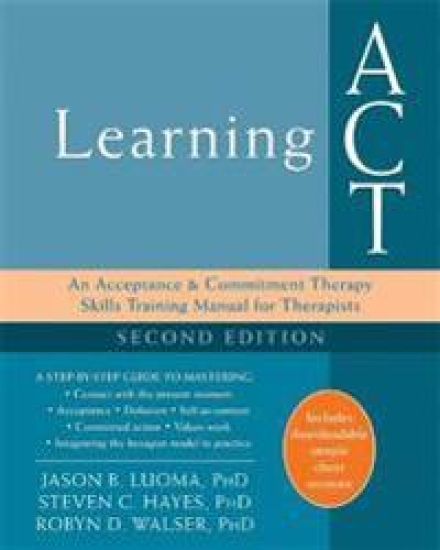
Acceptance and commitment therapy (ACT) is among the most remarkable developments in contemporary psychotherapy. This second edition of the pioneering ACT skills-training manual for clinicians provides a comprehensive update-essential for both experienced practitioners and those new to using ACT and its applications. ACT is a proven-effective treatment for numerous mental health issues, including depression, anxiety, stress, addictions, eating disorders, schizophrenia, borderline personality disorder, and more. With important revisions based on new developments in contextual behavioral science, Learning ACT, Second Edition includes up-to-date exercises and references, as well as material on traditional, evidence-based behavioral techniques for use within the ACT framework. In this fully revised and updated edition of Learning ACT, you'll find workbook-format exercises to help you understand and take advantage of ACT's unique six process model-both as a tool for diagnosis and case conceptualization, and as a basis for structuring treatments for clients. You'll also find up-to-the minute information on process coaching, new experiential exercises, an increased focus on functional analysis, and downloadable extras that include role played examples of the core ACT processes in action. By practicing the exercises in this workbook, you'll learn how this powerful modality can improve clients' psychological flexibility and help them to live better lives. Whether you're a clinician looking for in-depth training and better treatment outcomes for individual clients, a student seeking a better understanding of this powerful modality, or anyone interested in contextual behavioral science, this second edition provides a comprehensive revision to an important ACT resource.
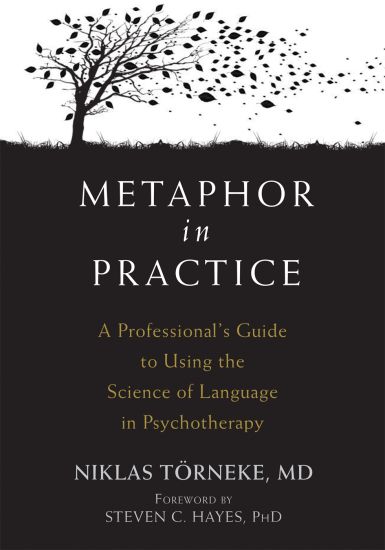
The use of metaphor is central to the implementation of acceptance and commitment therapy (ACT) and dialectical behavior therapy (DBT), and is a powerful tool for all practicing psychotherapists. In Metaphor in Practice, psychotherapist Niklas Törneke presents the first practical book to combine the behavioral and linguistic sciences of metaphor, and illustrates how and when to apply metaphors in practice for better treatment outcomes. The use of metaphors and experiential exercises can help clients gain a deeper understanding of the problems that cause their disorders. Metaphors help clients connect with their values, and often spark the inspiration and motivation needed to make a commitment to change. And while metaphor is central to relational frame theory (RFT), acceptance and commitment therapy (ACT), and dialectical behavior therapy (DBT), research now shows its usefulness has an even broader reach. In this book, you'll find a scientific analysis of metaphor based on over thirty years of research, as well as trends in research over the last ten years. The book includes an overview of RFT, how metaphor has influenced the community of behavior analysis, as well as available clinical research on metaphor use. You'll also discover how to create metaphors for functional analysis, distance of observation, and things that matter to your client. Most importantly, you'll find practical examples of metaphors and clinical exercises you can use in-session.
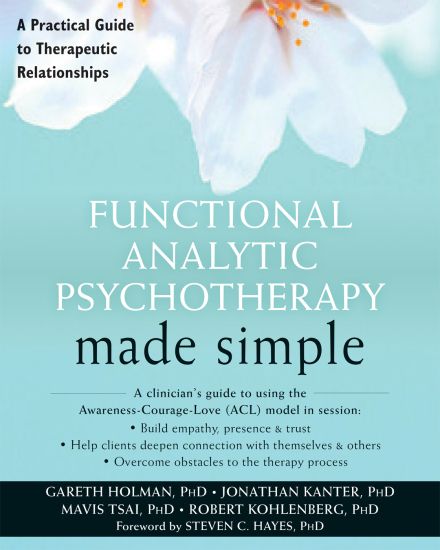
Functional analytic psychotherapy (FAP) is a proven-effective treatment for mental health disorders, and has been shown to enhance the quality of interpersonal relationships. If you're a therapist, how you relate to your clients can have a profound impact on treatment outcomes. This book integrates the latest research on the importance of the therapist-client relationship with the new science of social connection into a user-friendly, contextual behavioral framework. In this book, you'll find an introduction of the promise and foundation of FAP with an emphasis on practice and reflection, and then dive deeper into each separate element of practice: assessment and case conceptualization, present-moment experience, emotions, self and values, exercises, mistakes in FAP, and getting "unstuck" in therapy. You'll also learn to help clients implement awareness, courage, and love as the basis of all social connection. Finally, you'll learn how this treatment model can be used to respond to some of the most challenging issues clinicians face, such as clients who aren't improving, clients with whom your relationship is very intense or volatile, clients who are hard to like, and clients with whom there is a lot of frustration or unspoken conflict. No matter your treatment background, this book will provide invaluable strategies for adopting functional analytic psychotherapy in your practice, enhancing relationships with your clients, and improving overall treatment outcomes.
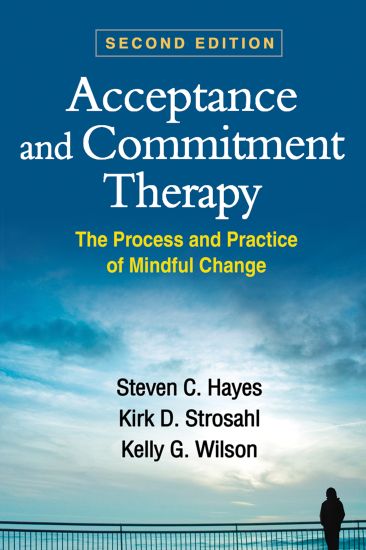
Since the original publication of this seminal work, acceptance and commitment therapy (ACT) has come into its own as a widely practiced approach to helping people change. This book provides the definitive statement of ACT--from conceptual and empirical foundations to clinical techniques--written by its originators. ACT is based on the idea that psychological rigidity is a root cause of a wide range of clinical problems. The authors describe effective, innovative ways to cultivate psychological flexibility by detecting and targeting six key processes: defusion, acceptance, attention to the present moment, self-awareness, values, and committed action. Sample therapeutic exercises and patient-therapist dialogues are integrated throughout. New to This Edition *Reflects tremendous advances in ACT clinical applications, theory building, and research. *Psychological flexibility is now the central organizing focus. *Expanded coverage of mindfulness, the therapeutic relationship, relational learning, and case formulation. *Restructured to be more clinician friendly and accessible; focuses on the moment-by-moment process of therapy. See also Experiencing ACT from the Inside Out: A Self-Practice/Self-Reflection Workbook for Therapists, by Dennis Tirch, Laura R. Silberstein-Tirch, R. Trent Codd III, Martin J. Brock, and M. Joann Wright.
Harness ACT to live a healthier life Do you want to change your relationship with painful thoughts and feelings that are holding you back from making changes to improve your life? In Acceptance and Commitment Therapy For Dummies, you'll discover how to identify negative and unhealthy modes of thinking and apply Acceptance and Commitment Therapy (ACT) principles throughout your day-to-day life, creating a healthier, richer and more meaningful existence with yourself and others. Closely connected to Cognitive Behavioural Therapy (CBT), ACT is an evidence-based, NICE-approved therapy that uses acceptance and mindfulness strategies mixed in with commitment and behaviour-changing strategies to help people increase their psychological flexibility in both their personal and professional lives. With the help of this straightforward and authoritative guide, you'll find out how to target unpleasant feelings and not act upon them—without sending yourself spiraling down the rabbit hole. The objective is not happiness; rather, it is to be present with what life brings you and to move toward valued behaviour. Shows you how to banish unhelpful thoughtsGuides you to making room for painful feelingsTeaches you how to engage fully with your here-and-now experienceHelps you cope with anxiety, depression, stress, OCD and psychosis Whether you're looking to practice self care at home or are thinking about seeing an ACT therapist, Acceptance and Commitment Therapy For Dummies makes it easier to live a healthier and more productive life in spite of—and alongside—unpleasantness.
The Wiley Handbook of Contextual Behavioral Science describes the philosophical and empirical foundation of the contextual behavioral science movement; it explores the history and goals of CBS, explains its core analytic assumptions, and describes Relational Frame Theory as a research and practice program. This is the first thorough examination of the philosophy, basic science, applied science, and applications of Contextual Behavioral ScienceBrings together the philosophical and empirical contributions that CBS is making to practical efforts to improve human wellbeingOrganized and written in such a way that it can be read in its entirety or on a section-by-section basis, allowing readers to choose how deeply they delve into CBSExtensive coverage of this wide ranging and complex area that encompasses both a rich basic experimental tradition and in-depth clinical application of that experimental knowledgeLooks at the development of RFT, and its implications for alleviating human suffering
The Canonical Papers of Steven C. Hayes is a compilation of his most pivotal articles written from 1982-2012. Through these selected papers, Hayes again revisits the theoretical struggles between behavioral and cognitive-behavior theories, taking us from the 1980s into present day, discussing the breakthroughs and follies. Using this as a focus point, he discusses the tradition of behavior analysis and its difficulties in addressing human language and cognition. Moving forward into the 90s, he chronicles the changes in a behavioral approach that emerge from a contextual perspective on human cognition, and lays out the foundation for a contextual behavioral science approach that he argues is more likely to lead to an understanding of human action and an alleviation of human suffering. Although the articles have previously been published, they have been edited and compiled ensure this branch of research is clear to the modern audience. The compilation was chosen by Dr. Hayes to enhance his vision for a functional contextual approach to complex human behavior.
Acceptance and Commitment Therapy (ACT) har på kort tid förändrat synen på psykoterapi och vad som orsakar mänskligt lidande. I standardverket ACT i teori och tillämpning beskriver grundarna terapiformen, från relationsinramningsteori till övningar och metaforer. ACT utgår från att lidande i huvudsak uppstår utifrån normala psykologiska processer, i synnerhet människans språk och kognition. På grund av språkets symboliska kraft kan vi till exempel reagera som om något hemskt händer just nu, trots att händelsen inträffade för flera år sedan. För att främja psykologisk flexibilitet betonas emotionella, interpersonella och upplevelsebaserade aspekter i behandlingsarbetet. Syftet är att klienten ska kunna och våga närma sig det som är viktigt i livet även om det är smärtsamt. Denna andra utgåva av ACT i teori och tillämpning är kraftigt omarbetad och speglar den omfattande utveckling som skett inom forskning, teori och klinisk tillämpning. Med hjälp av många fallexempel och dialoger visar författarna hur ACT kan bedrivas i praktiken. Boken är användbar för såväl nybörjaren som för den mer erfarna ACT-terapeuten. Det är spännande läsning och boken är på många sätt en guldgruva för den som vill få ett ordentligt grepp om en aktuell behandlingsmodell inom KBT-spektrumet. Boken är rik på såväl teoretiska som praktiska guldkorn.
Denne bog er en opdatereret udgave af en af de første bøger om terapiformen Acceptance and Commitment Therapy (ACT) skrevet af de tre ophavsmænd. Siden førsteudgaven udkom i 1999, har ACT udviklet sig betydeligt både begrebsmæssigt, teknologisk og empirisk, og et stort antal praktikere har taget tilgangen til sig som en velegnet og effektiv måde at skabe forandring på. Denne udgave tager udgangspunkt i den psykologiske fleksibilitetsmodel som en enhedsmodel af menneskets funktioner og fokuserer på psykisk fleksibilitet som vejen til forandring og udbedring af en lang række af kliniske problemstillinger. Ud over dette fokus er bogen udvidet med beskrivelser af bl.a. mindfulnessprocesser, den terapeutiske relation, case-formulering og sammenhængen mellem ACT og kognitiv adfærdsterapi. Forfatterne beskriver desuden effektive og innovative måder at udvikle psykisk fleksibilitet på ved at anvende og målrette de seks centrale processer i ACT: defusion, accept, fleksibel opmærksomhed i forhold til nuet, selvet som kontekst, værdier og engageret handling.
This fascinating book for mental health professionals explores emerging mindfulness and acceptance treatments for addictions of all kinds, including gambling addiction, binge eating disorder, pornography addiction, cigarette smoking, and substance abuse. The series of articles written by leading researchers in addiction and mindfulness therapies introduce the latest research on using acceptance and commitment therapy (ACT). Each article illuminates the mindfulness and acceptance-based treatments that work best for particular addictive behaviours, reviews empirical data, and discusses future directions for research and treatment applications. Edited by Steven Hayes, one of the best-known clinicians working with acceptance and mindfulness-based interventions, his book will dramatically impact the way addictions of all kinds are viewed and addressed in therapy.
Acceptance and Commitment Therapy (ACT) is a unique empirically-based psychological intervention that uses acceptance and mindfulness processes, and commitment and behaviour change processes to produce psychological flexibility. Steven C. Hayes, who helped develop ACT, and co-author Jason Lillis provide an overview of ACT's main influences and its basic principlesIn this succinct and understandable survey, the authors show how ACT illuminates the ways that language encourages unhelpful skirmishing in clients' psychic lives, and how to use ACT to help clients accept private experiences, become more mindful of thoughts, develop greater clarity about personal values, and commit to needed behaviour change. The latest edition in the Theories of Psychotherapy Series. Acceptance and Commitment Therapy examines the therapy's history and process, evaluates the therapy's evidence base and effectiveness, and suggests future directions in the therapy's development..