

Kirjailija
Steven Rose
Kirjat ja teokset yhdessä paikassa: 13 kirjaa, julkaisuja vuosilta 1999–2025, suosituimpiin kuuluu Lifelines. Vertaile teosten hintoja ja tarkista saatavuus suomalaisista kirjakaupoista.
13 kirjaa
Kirjojen julkaisuvuodet: 1999–2025.
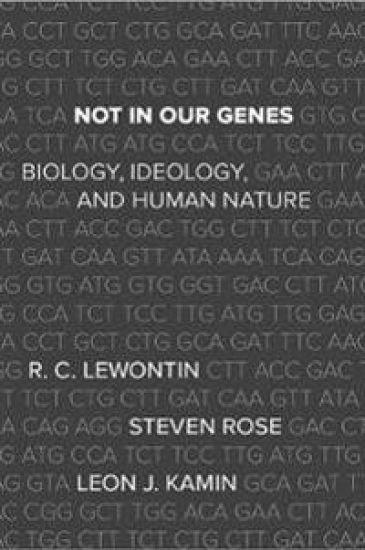
Not in our Genes systematically exposes and dismantles the claims that inequalities class, race, gender are the products of biological, genetic inheritances. 'Informative, entertaining, lucid, forceful, frequently witty... never dull... should be read and remembered for a long time.' - New York Times Book Review. 'The authors argue persuasively that biological explanations for why we act as we do are based on faulty (in some cases, fabricated) data and wild speculation... It is debunking at its best.' - Psychology Today
Neuroscience, with its astounding new technologies, is uncovering the workings of the brain and with this perhaps the mind. The 'neuro' prefix spills out into every area of life, from neuroaesthetics to neuroeconomics, neurogastronomy and neuroeducation. With its promise to cure physical and social ills, government sees neuroscience as a tool to increase the 'mental capital' of the children of the deprived and workless. It sets aside intensifying poverty and inequality, instead claiming that basing children's rearing and education on brain science will transform both the child's and the nation's health and wealth. Leading critic of such neuropretensions, neuroscientist Steven Rose and sociologist of science Hilary Rose take a sceptical look at these claims and the science underlying them, sifting out the sensible from the snake oil. Examining the ways in which science is shaped by and shapes the political economy of neoliberalism, they argue that neuroscience on its own is not able to bear the weight of these hopes.
Neuroscience, with its astounding new technologies, is uncovering the workings of the brain and with this perhaps the mind. The 'neuro' prefix spills out into every area of life, from neuroaesthetics to neuroeconomics, neurogastronomy and neuroeducation. With its promise to cure physical and social ills, government sees neuroscience as a tool to increase the 'mental capital' of the children of the deprived and workless. It sets aside intensifying poverty and inequality, instead claiming that basing children's rearing and education on brain science will transform both the child's and the nation's health and wealth. Leading critic of such neuropretensions, neuroscientist Steven Rose and sociologist of science Hilary Rose take a sceptical look at these claims and the science underlying them, sifting out the sensible from the snake oil. Examining the ways in which science is shaped by and shapes the political economy of neoliberalism, they argue that neuroscience on its own is not able to bear the weight of these hopes.

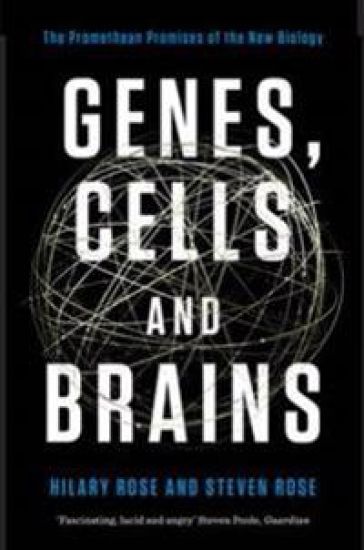
Genes, Cells and Brains
Hilary Rose; Steven Rose
Verso Books
2014
nidottu
Halvin toimitettuna 21,20 €
Our fates lie in our genes and not in the stars, said James Watson, co-discoverer of the structure of DNA. But Watson could not have predicted the scale of the industry now dedicated to this new frontier. Since the launch of the multibillion-dollar Human Genome Project, the biosciences have promised miraculous cures and radical new ways of understanding who we are. But where is the new world we were promised? Now updated with a new afterword, Genes, Cells and Brains asks why the promised cornucopia of health benefits has failed to emerge and reveals the questionable enterprise that has grown out of bioethics. The authors, feminist sociologist Hilary Rose and neuroscientist Steven Rose, examine the establishment of biobanks, the rivalries between public and private gene sequencers, and the rise of stem cell research. The human body is becoming a commodity, and the unfulfilled promises of the science behind this revolution suggest profound failings in genomics itself.

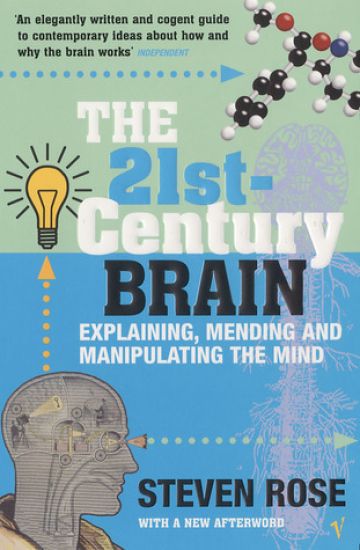
A compelling and authoritative study of the brain - its past, present and future. The human brain is the most complex structure in the known universe. He also investigates how brains develop from a single fertilised egg to the incredibly complex organ that each human possesses.
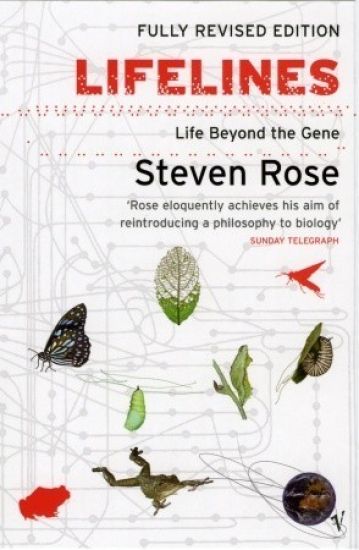
In Lifelines, neuroscientist Steven Rose offers a theory of life that insists that we as humans - along with all living creatures - create our own futures, though in circumstances not of our own choosing.
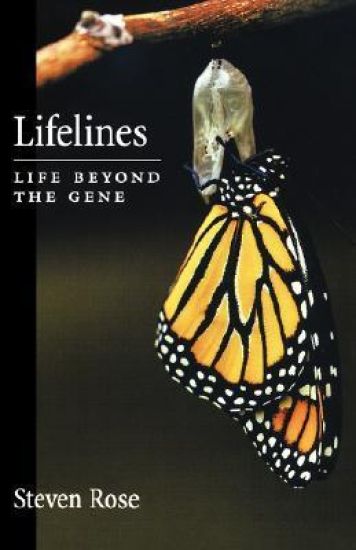
A distinct voice in the nature/nurture debate, Rose's series of essays are a response to the biological reductionism of Richard Dawkins's book, The Selfish Gene (OUP, 1990), which insists that all aspects of human life are in our genes, and everything arises as a consequence of natural selection. Rose argues that life depends on the elaborate web of interactions that occur within cells, organisms, and ecosystems, and in which DNA has but one part to play.
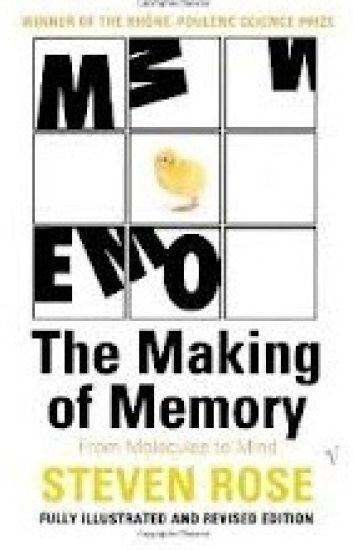
A first hand account by a practising scientist working at the forefront of medical research. This work talks about the treatment for Alzheimer's Disease, and describes how this potential knowledge breakthrough has occurred.
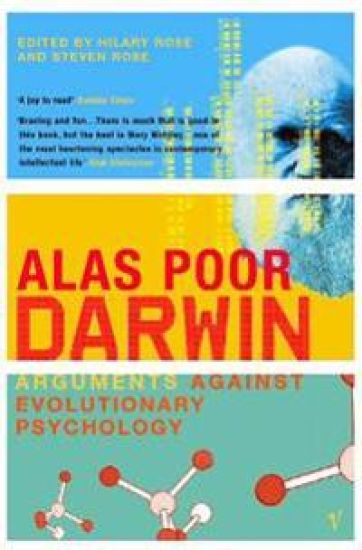
Today, genes are called upon to explain almost every aspect of our lives, from social inequalities to health, sexual preference and criminality.
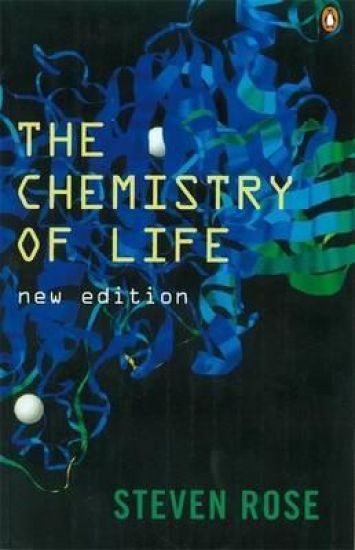
First published in 1966, THE CHEMISTRY OF LIFE has held its own as a clear and authoritative introduction to the world of biochemistry. This fourth edition has been fully updated and revised to include the latest developments in DNA and protein synthesis, cell regulation, and their social and medical implications.