
Kirjailija
Steven Trout
Kirjat ja teokset yhdessä paikassa: 5 kirjaa, julkaisuja vuosilta 2012–2026, suosituimpiin kuuluu Remember the Tuscania!. Vertaile teosten hintoja ja tarkista saatavuus suomalaisista kirjakaupoista.
5 kirjaa
Kirjojen julkaisuvuodet: 2012–2026.

A great white angel spreading her wings across the Moreno Valley: this is how one visitor described the memorial standing atop a windswept prominence in the Sangre de Cristo Mountains near Taos, New Mexico. A de-facto national Vietnam veterans memorial, built by one family more than a decade before the Wall in Washington, DC, and without aid or recognition from the US government, the chapel at Angel Fire is a testament to one young American's sacrifice - but also to the profound determination of his family to find meaning in their loss. In The Vietnam Veterans Memorial at Angel Fire, Steven Trout tells the story of Marine Lieutenant David Westphall, who was killed near Con Thien on May 22, 1968, and of the Westphall family's subsequent struggle to create and maintain a one-of-a-kind memorial chapel dedicated to the memory of all Americans lost in the Vietnam War and to the cause of world peace. Focused primarily on a life lost amid our nation's most controversial conflict and on the Westphalls' desperate battle to keep their chapel open between 1971 and 1982, the book's brisk and moving narrative traces the memorial's evolution from a personal act of family remembrance to its emergence as an iconic pilgrimage destination for thousands of Vietnam veterans. Documenting the chapel's shifting messages over time, which include a momentary (and controversial) recognition of the dead on both sides of the war, The Vietnam Veterans Memorial at Angel Fire spotlights one American soldier's tragic story and the monument to hope and peace that it inspired.
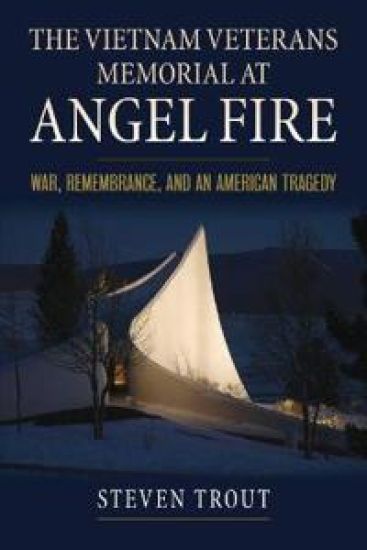
A great white angel spreading her wings across the Moreno Valley: this is how one visitor described the memorial standing atop a windswept prominence in the Sangre de Cristo Mountains near Taos, New Mexico. A de-facto national Vietnam veterans memorial, built by one family more than a decade before the Wall in Washington, DC, and without aid or recognition from the US government, the chapel at Angel Fire is a testament to one young American's sacrifice - but also to the profound determination of his family to find meaning in their loss. In The Vietnam Veterans Memorial at Angel Fire, Steven Trout tells the story of Marine Lieutenant David Westphall, who was killed near Con Thien on May 22, 1968, and of the Westphall family's subsequent struggle to create and maintain a one-of-a-kind memorial chapel dedicated to the memory of all Americans lost in the Vietnam War and to the cause of world peace. Focused primarily on a life lost amid our nation's most controversial conflict and on the Westphalls' desperate battle to keep their chapel open between 1971 and 1982, the book's brisk and moving narrative traces the memorial's evolution from a personal act of family remembrance to its emergence as an iconic pilgrimage destination for thousands of Vietnam veterans. Documenting the chapel's shifting messages over time, which include a momentary (and controversial) recognition of the dead on both sides of the war, The Vietnam Veterans Memorial at Angel Fire spotlights one American soldier's tragic story and the monument to hope and peace that it inspired.
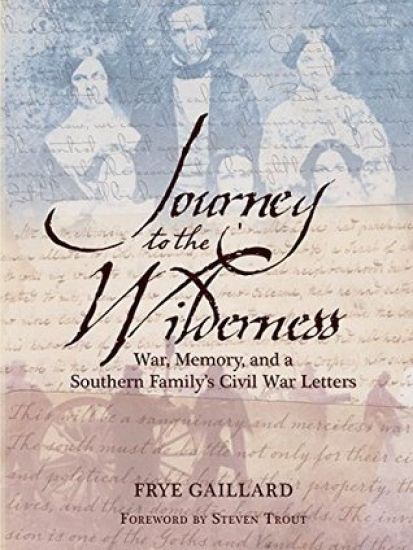
On the one-hundred-fiftieth anniversary of the Civil War, award-winning author Frye Gaillard reflects on the war—and the way we remember it—through letters written by his family, including his great-great grandfather and his two sons, both of whom were Confederate officers. As Gaillard explains in his introductory essay, he came of age in a Southern generation that viewed the war as a glorious lost cause. But as he read through letters collected by members of his family, he confronted a far more sobering truth.“Oh, this terrible war,” wrote his great-great-grandfather, Thomas Gaillard. “Who can measure the troubles—the affliction—it has brought upon us all?” To this real-time anguish in voices from the past, Gaillard offers a personal remembrance of the shadow of war and its place in the haunted identity of the South. “My own generation,” he writes, “was, perhaps, the last that was raised on stories of gallantry and courage . . . Oddly, mine was also the one of the first generations to view the Civil War through the lens of civil rights—to see . . . connections and flaws in Southern history that earlier generations couldn’t bear to face.”
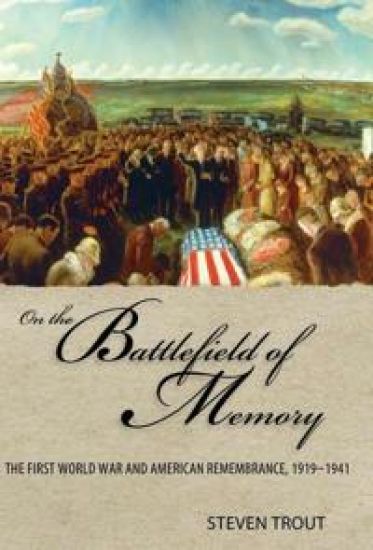
Provides a detailed study of how Americans in the 1920s and 1930s interpreted and remembered the First World War. Steven Trout asserts that from the beginning American memory of the war was fractured and unsettled, more a matter of competing sets of collective memories - each set with its own spokespeople - than a unified body of myth.