
Kirjojen hintavertailu – 12 903 725 kirjaa ja 27 kauppaa

Kirjailija

Steward Pickett

Kirjat ja teokset yhdessä paikassa: 2 kirjaa, julkaisuja vuosilta 1997–2012, suosituimpiin kuuluu The Ecological Basis of Conservation. Vertaile teosten hintoja ja tarkista saatavuus suomalaisista kirjakaupoista.

2 kirjaa

Kirjojen julkaisuvuodet: 1997–2012.

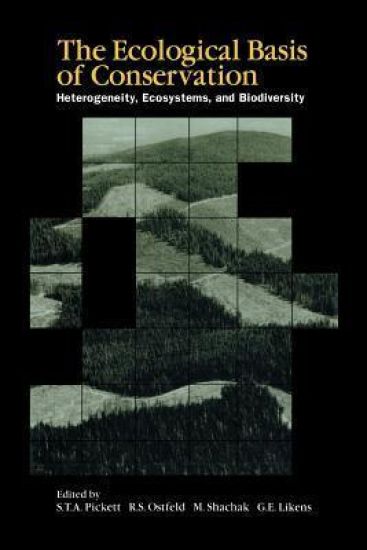
The Ecological Basis of Conservation

The Ecological Basis of Conservation

Steward Pickett; Richard S. Ostfeld; Moshe Shachak; Gene E. Likens

Springer-Verlag New York Inc.
2012
nidottu
From its inception, the U. S. Department of the Interior has been charged with a conflicting mission. One set of statutes demands that the department must develop America's lands, that it get our trees, water, oil, and minerals out into the marketplace. Yet an opposing set of laws orders us to conserve these same resources, to preserve them for the long term and to consider the noncommodity values of our public landscape. That dichotomy, between rapid exploitation and long-term protection, demands what I see as the most significant policy departure of my tenure in office: the use of science-interdisciplinary science-as the primary basis for land management decisions. For more than a century, that has not been the case. Instead, we have managed this dichotomy by compartmentalizing the American landscape. Congress and my predecessors handled resource conflicts by drawing enclosures: "We'll create a national park here," they said, "and we'll put a wildlife refuge over there." Simple enough, as far as protection goes. And outside those protected areas, the message was equally simplistic: "Y'all come and get it. Have at it." The nature and the pace of the resource extraction was not at issue; if you could find it, it was yours.
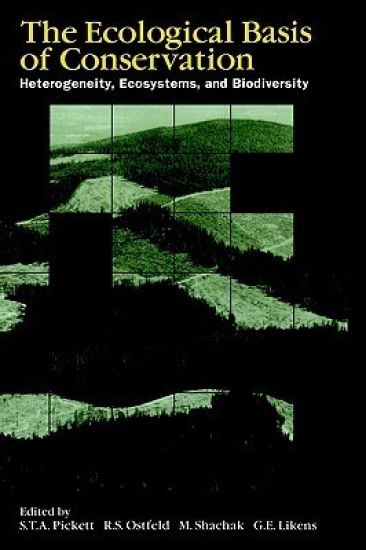
The Ecological Basis of Conservation

The Ecological Basis of Conservation

Steward Pickett; Richard S. Ostfeld; Moshe Shachak; Gene E. Likens

Chapman and Hall
1997
sidottu
From its inception, the U. S. Department of the Interior has been charged with a conflicting mission. One set of statutes demands that the department must develop America's lands, that it get our trees, water, oil, and minerals out into the marketplace. Yet an opposing set of laws orders us to conserve these same resources, to preserve them for the long term and to consider the noncommodity values of our public landscape. That dichotomy, between rapid exploitation and long-term protection, demands what I see as the most significant policy departure of my tenure in office: the use of science-interdisciplinary science-as the primary basis for land management decisions. For more than a century, that has not been the case. Instead, we have managed this dichotomy by compartmentalizing the American landscape. Congress and my predecessors handled resource conflicts by drawing enclosures: "We'll create a national park here," they said, "and we'll put a wildlife refuge over there." Simple enough, as far as protection goes. And outside those protected areas, the message was equally simplistic: "Y'all come and get it. Have at it." The nature and the pace of the resource extraction was not at issue; if you could find it, it was yours.