Kirjailija
Sue Jennings
Kirjat ja teokset yhdessä paikassa: 15 kirjaa, julkaisuja vuosilta 1993–2022, suosituimpiin kuuluu Scenes of Madness. Vertaile teosten hintoja ja tarkista saatavuus suomalaisista kirjakaupoista.
15 kirjaa
Kirjojen julkaisuvuodet: 1993–2022.
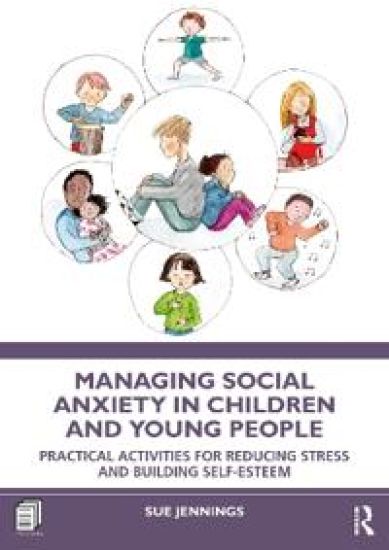
Managing Social Anxiety in Children and Young People introduces a new approach for working with anxious children and young people to help them develop social skills and reduce stress. Structured around the principles of ‘nurturing and nesting’, the book focuses on a practical approach which strays away from dependency on medicine, but relies on the stimulation of thoughts and feelings during the process of change. It shows readers how shifting perceptions of oneself and others can change a person’s attitude. The chapters feature tangible resources and exercises for developing the core processes of breathing, rhythm, sound, and physical movement in a way that can lead to a reduction of the anxiety and a new awareness of the self. The techniques are clearly laid out in developmental sequences, accompanied by illustrated worksheets and story sheets. This book will be of interest to teachers, teaching assistants, care workers, clinicians, therapists, parents, and all professionals involved in the support and development of children and young people.
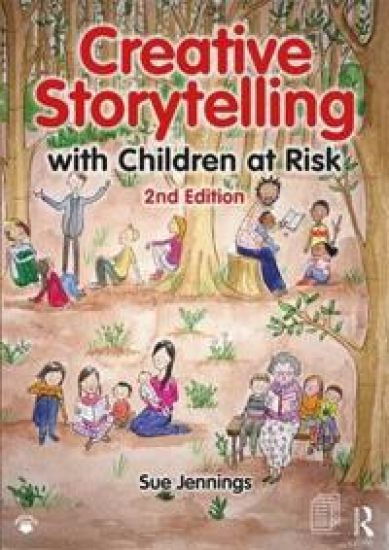
This second edition is fully updated and addresses ways in which we can apply stories and storytelling with children who are troubled. Stories can empower children to take action and ask for help, including help with changes and life-plans. Stories provide a secure structure with endings and closure. The book develops the following topics: Stories for assessment Stories for understanding emotions Stories for exploring the senses Stories for managing loss Stories for ritual and dramaThere are new and revised stories, in particular addressing trauma and abuse. This book is written for all those people with the welfare of children as their priority.
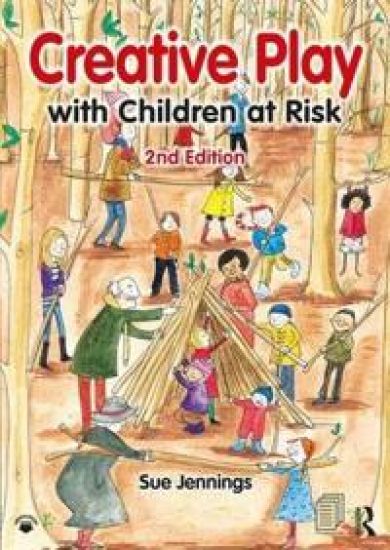
This second edition is fully updated with the latest good practice in play. Based on an understanding of 'Neuro-Dramatic-Play', the book shows that play is an essential part of children's healthy development and many children 'at risk' are those who are unable to play. It includes work with children with learning difficulties as well as those with developmental delay. The book includes current thinking on neuroscience and illustrates the importance of mindfulness in our work with children. Topics include: creating the safe space understanding and working with fear understanding and working with anger and rage new stories and worksheets cross cultural understanding of play dressing-up and enactment masks and puppetsThe book is written for teachers, parents and therapists, and all those who seek to enhance the lives of children.
The Handbook of Dramatherapy
Sue Jennings; Ann Cattanach; Steve Mitchell; Anna Chesner; Brenda Meldrum; Steve Mitchell Nfa
Routledge
2015
sidottu
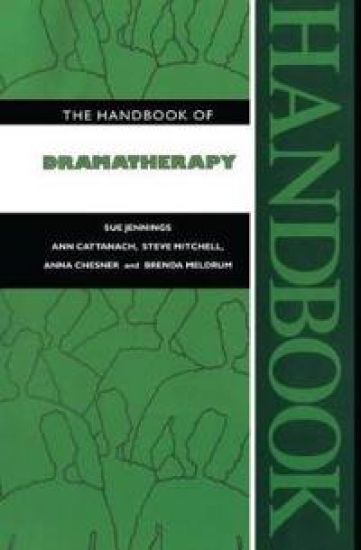
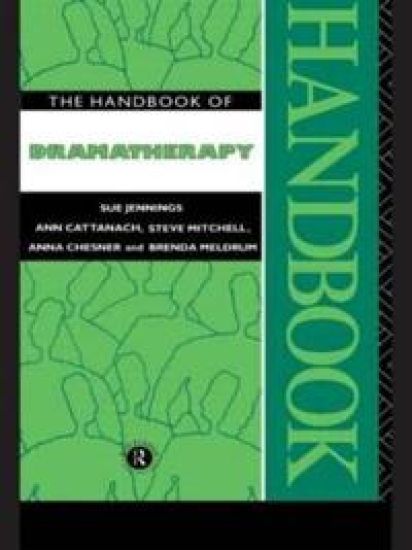
Dramatherapy is being increasingly practised in a range of therapeutic settings and is of growing interest to theatre practitioners and teachers. The Handbook of Dramatherapy brings together five authors who have considerable experience of clinical, artistic and educational work to provide an easy-to-read introduction to the major models of dramatherapy. The authors explain the differences between dramatherapy and psychodrama, discuss its relationship with theatre art, look at assessment and evaluation techniques, and argue the need for more appropriate methods of research for this increasingly popular form of therapeutic treatment. The Handbook of Dramatherapy provides a comprehensive basis for theory and practice and will be an invaluable resource for all students of dramatherapy and theatre.
Dramatherapy and Family Therapy in Education
Penny McFarlane; Sue Jennings; Jenny Harvey
Jessica Kingsley Publishers
2012
pokkari
A collaborative therapeutic approach often proves the best way to assess and meet the needs of children experiencing barriers to learning. This book gives a concise overview of drama and family therapy and describes how both therapies can work together to provide essential pieces of the jigsaw of emotional support for troubled children within an educational setting. Drawing on their own extensive experience, the authors give explanations of the models and techniques of their own specialist therapy, before exploring their joint work and innovative inclusion in a cooperative team of multi-disciplinary professionals. The book discusses the principles and protocols of a Multi Agency Support Team and looks at how the pieces come together in practice. Case studies are provided to illustrate the successful outcomes of this way of working, as well as the challenges it can present. This book will be vital reading for all professionals working alongside children, families and schools, who are interested in addressing the needs of the child on a deeper and more sustainable level.
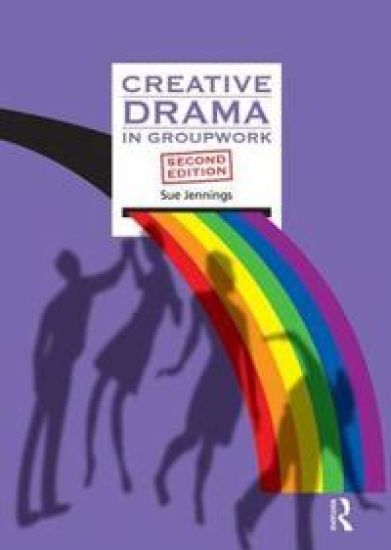
This bestselling book is now updated with new material and more tried-and-tested ideas, bringing it up-to-date with contemporary drama. 150 ideas for drama in one practical manual makes this a veritable treasure trove which will inspire everyone to run drama sessions creatively, enjoyably and effectively. This book features advice on setting up a group, defining and negotiating aims and objectives, and how to ensure a successful session. It contains activities which encourage memory, interaction, concentration, feedback, and many other skills. It also includes games, warm-ups and starters, improvisation role-play, visual dynamics, and closures.
Healthy Attachments and Neuro-Dramatic-Play
Dennis McCarthy; Sue Jennings; Professor Mooli Lahad
Jessica Kingsley Publishers
2010
pokkari
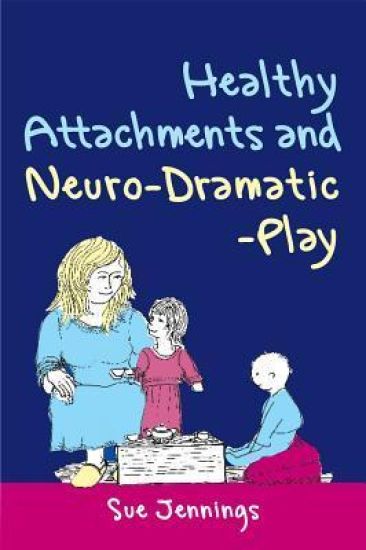
Breaking new ground in the areas of attachment and child development, Sue Jennings introduces the concept of 'Neuro-Dramatic-Play' exploring the sensory experiences that take place between mother and child during pregnancy and the first few months after birth. She explains how this interaction, that is essentially 'dramatic' in nature, is of crucial importance for the infant to develop a healthy brain, strong attachments and future resilience. Based on sound experience and observation, this book consolidates current theories of neuroscience, attachment and therapeutic intervention and challenges commonly held psychoanalytic ideas of child development. By expanding on the often narrow view of what is understood by attachment, this book makes a strong case for early years inclusion of play and arts therapies. Neuro-Dramatic-Play is also discussed in relation to fostering and adoption, teenagers and young adults, and children with developmental or cognitive disabilities. This accessible text will interest all therapists and practitioners who work with children and teenagers, including child psychotherapists, psychologists, social workers, paediatric and perinatal nurses, paediatricians, child psychiatrists and play and arts therapists, and post-graduate students.
Introduction to Developmental Playtherapy
Sue Jennings; Professor Mooli Lahad
Jessica Kingsley Publishers
1999
pokkari
Developing the basic principles of her model of playtherapy, Sue Jennings has written a stimulating book that will provide inspiration for those new to the discipline, whilst providing a fresh and exciting approach for established practitioners. In Introduction to Developmental Playtherapy, Jennings argues that creative play is essential for children's health. Drawing on examples from her own professional experience, she discusses how play can help resolve issues by allowing possible solutions to be explored safely, thus encouraging flexibility of response. She explores the cultural background and theory of using play as a therapeutic tool with children and how play can communicate to the therapist what the child needs to tell. Innovative and accessible, her book breaks fertile new ground for playtherapy.
This hands-on manual offers a clear introduction to play and drama work for professionals working with adults at risk. Many adults feel nervous about drama and think that play is childish. Sue Jennings shows that by participating in play and drama people can make a difference to how they feel about themselves and the world around them. This book is suitable for professionals working with adults who are vulnerable for a number of different reasons: those who have addictions such as eating disorders, drug and alcohol abuse or a history of violent relationships; adults with mental ill health; individuals and families with behavioural difficulties; people in forensic settings; those with multiple disabilities; learning impaired adults; people with strokes and other physical impairment often as a result of accidental injury. Material is chosen sensitively to enable confidence and creativity building, and the development of communication skills. Photocopiable worksheets offer the professional activities that will encourage trust and collaboration; foster independence and choice, maximise people's learning potential and stimulate everyone's imagination and creativity. Ideas are given for improvisation and movement as well as masks and myths. Cross-cultural perspectives are discussed together with boundaries for clinical groups. The importance of the healing potential of artistic expression is addressed throughout.
Dramatherapy is now well-established and widely used in a variety of settings with diverse groups of people. In this book, Sue Jennings presents a 'healing theatre' approach to dramatherapy, showing how it is part of our total cultural experience of theatre art, and how it can be used to find a bearable means of facing the beast at the heart of the labyrinth. Challenging received views from psychology and psychotherapy on the theoretical base of dramatherapy, she argues that the dramatic development of the individual is a primary developmental process, which is influential from conception and is shaped by cultural context. She maintains that by participating in drama and theatre as well as exploring our 'dramatic' past, a new pathway to self-knowledge and fulfilment is opened as a viable alternative to conventional practice. Illustrated with many examples, the book also includes exercises and questionnaires which can be used in practice, with students, or for self-study, illuminating the relationship between theatre and healing, and the theatrical basis of dramatherapy.
Derek Russell Davis argues that mental health professionals working in a hospital or clinic setting can learn much from playwrights about the psychological processes in mental illness. Looking at such diverse characters as Orestes, Hamlet, Lear, Ophelia, Peer Gynt, Oswald Alving and Blanche Dubois, Dr Davis shows how madness in plays is put into the context of the crucial experiences in an individual's history and current relationships, and demonstrates that these stories can be a new and exciting source of insight into mental illness.
Sue Jennings and her three children spent two years on a fieldwork expedition to the Senoi Temiar people of Malaysia: Theatre, Ritual and Transformation is a fascinating account of that experience. She describes how the Temiar regularly perform seances which are enacted through dreams, dance, music and drama, and explains that they see the seance as playing a valuable preventative role in people's lives, as well as being a medium of healing and cure. Her account brings together the insights of drama, therapy and theatre with those of social anthropology to provide an invaluable theoretical framework for understanding theatre and ritual and their links with healing.
Based on more than ten years of research and practice of art therapy and dramatherapy in training, clinical practice and theory, this book is the first to explore the relationship and differences between these two disciplines. The first part of the book explores the theoretical background and the history and practice of art therapy and dramatherapy, including accounts of the authors' personal experiences and the creative and imaginative processes they make use of in their work. The second part describes five major themes that have been practically and collaboratively developed by the authors, who clearly set out the methods and practices used. They show how images such as the body, doors, bridges, journeys and masks can be used effectively in therapy.
The Handbook of Dramatherapy
Sue Jennings; Ann Cattanach; Steve Mitchell; Anna Chesner; Brenda Meldrum; Steve Mitchell Nfa
Routledge
1993
nidottu
Dramatherapy is being increasingly practised in a range of therapeutic settings and is of growing interest to theatre practitioners and teachers. The Handbook of Dramatherapy brings together five authors who have considerable experience of clinical, artistic and educational work to provide an easy-to-read introduction to the major models of dramatherapy. The authors explain the differences between dramatherapy and psychodrama, discuss its relationship with theatre art, look at assessment and evaluation techniques, and argue the need for more appropriate methods of research for this increasingly popular form of therapeutic treatment. The Handbook of Dramatherapy provides a comprehensive basis for theory and practice and will be an invaluable resource for all students of dramatherapy and theatre.