

Kirjailija
Sue Palmer
Kirjat ja teokset yhdessä paikassa: 18 kirjaa, julkaisuja vuosilta 2004–2025, suosituimpiin kuuluu The Shell Secret. Vertaile teosten hintoja ja tarkista saatavuus suomalaisista kirjakaupoista.
18 kirjaa
Kirjojen julkaisuvuodet: 2004–2025.
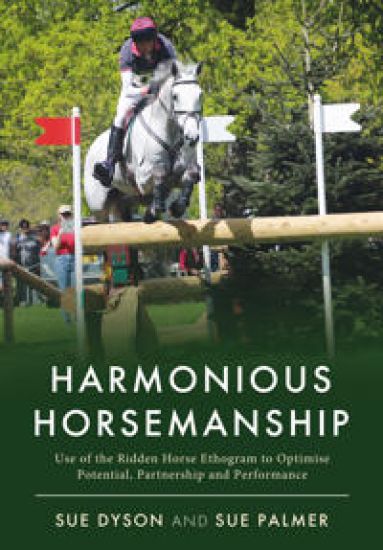
Harmonious Horsemanship
Sue Dyson; Sue Palmer
TROUBADOR PUBLISHING
2023
pokkari
Halvin toimitettuna 38,30 €
All too often, pain in ridden horses is labelled as 'bad' behaviour. The apparently â??soundâ?? horse is 'naughty', 'lazy', 'difficult', 'explosive', 'spooky', 'nappy', and more. These labels are wrong. Pain impacts all aspects of a horse's performance, including its partnership with the rider, and its potential to progress.
Now revised and expanded Speaking Frames: How to Teaching Talk for Writing: Ages 10-14 brings together material from Sue Palmer’s popular Speaking Frames books with additional material covering the primary/secondary transition. Providing an innovative and effective answer to the problem of teaching speaking and listening, this book offers a range of speaking frames for children to orally ‘fill in’, developing their language patterns and creativity, 'and boosting their confidence in the use of literate language patterns. Fully updated, this book offers:material for individual paired and group presentations and talk for writinglinks to cross-curricular ‘Skeletons'transition material and guidance on ‘bridging the gap’ between primary and secondary schoolssupport notes for teachers and assessment guidanceadvice on flexible progression and working to a child’s abilitysuggestions for developing individual pupils' spoken language skills. With a wealth of photocopiable sheets and creative ideas for speaking and listening, Speaking Frames: How to Teaching Talk for Writing: Ages 10-14 is essential reading for all practising, trainee and recently qualified teachers who wish to develop effective speaking and listening in their classroom.
Why does Britain and its former colonies send children to school as young as four and five, when in eighty-eight per cent of the world the starting age is six or seven? Sue Palmer, author of bestselling Toxic Childhood, uncovers the truth: it's not because of what's best for children, but historical accident and economics. Palmer examines research ranging from neurological science to educational data, and shows that under-sevens gain most -- educationally, physically, socially and psychologically -- from not being stuck behind a desk. Upstart puts forward a passionate case for Britain adopting a proper 'kindergarten' stage that recognises what under-sevens really need. With clarity, ease and vigour, Palmer describes a different way of doing early years education that would have huge benefits both for individual children, and for our nation.
One in six children in the developed world is diagnosed as having 'developmental or behavioural problems' - this book explains why and shows what can be done about it. Updated for 2015.
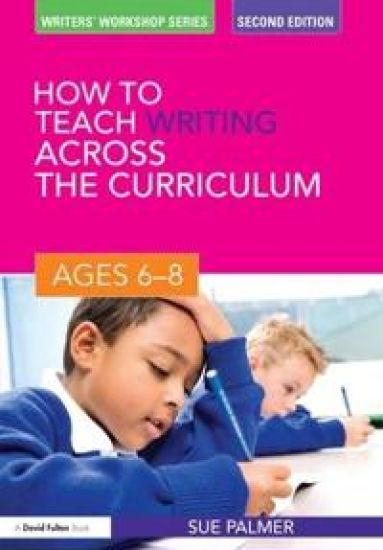
Now in an updated second edition How to Teach Writing Across the Curriculum: Ages 6-8 provides a range of practical suggestions for teaching non-fiction writing skills and linking them to children’s learning across the entire curriculum. Providing a number of suggestions for teachers and putting emphasis on creative approaches to teaching children writing in diverse and innovative ways, it provides: techniques for using speaking and listening, drama and games to prepare for writing suggestions for the use of cross-curricular learning as a basis for writing planning frameworks and ‘skeletons’ to promote thinking skillsinformation on key language features of non-fiction texts examples of non-fiction writing guidance on the process of creating writing from note-making. With new hints and tips for teachers and suggestions for reflective practice, How to Teach Writing Across the Curriculum: Ages 6-8 will equip teachers with all the skills and materials needed to create enthusiastic non-fiction writers in their primary classroom.
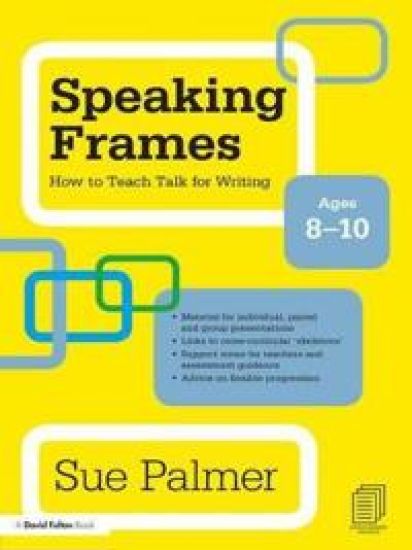
Now in a new format Speaking Frames: How to Teaching Talk for Writing: Ages 8-10 brings together material from Sue Palmer’s popular Speaking Frames books for years 3 and 4. Providing an innovative and effective answer to the problem of teaching speaking and listening, this book offers a range of speaking frames for children to orally ‘fill in’ developing their language patterns and creativity, and boosting their confidence in talk for learning and talk for writing. Fully updated, this book offers: material for individual, paired and group presentationslinks to cross-curricular ‘Skeletons’support notes for teachers and assessment guidanceadvice on flexible progression and working to a child’s abilitysuggestions for developing individual pupils' spoken language skills. With a wealth of photocopiable sheets and creative ideas for speaking and listening, Speaking Frames: How to Teaching Talk for Writing: Ages 8-10 is essential reading for all practising, trainee and recently qualified teachers who wish to develop effective speaking and listening in their classroom.

Now in an updated second edition How to Teach Writing Across the Curriculum: Ages 8-14 provides a range of practical suggestions for teaching non-fiction writing skills and linking them to children’s learning across the curriculum. Emphasising creative approaches to teaching children’s writing in diverse and innovative ways, it provides: information on the organisation and language features of the six main non-fiction text types (recount, report, instruction, explanation, persuasion and discussion) suggestions for the use of cross-curricular learning as a basis for writing planning frameworks for children to promote thinking skillsadvice on developing children’s writing to help with organisational issues – paragraphing and layout, and the key language features examples of non-fiction writing suggestions for talk for learning and talk for writing (including links to 'Speaking Frames'; also published by Routledge) information on the transition from primary to secondary school. With new hints and tips for teachers and suggestions for reflective practice as well as a wealth of photocopiable materials, How to Teach Writing Across the Curriculum: Ages 8-14 will equip teachers with all the skills needed to create enthusiastic non-fiction writers in their classroom.
An absolute must-have parenting guide to raising girls in the 21st century. 'An excellent book' Vanessa Feltz
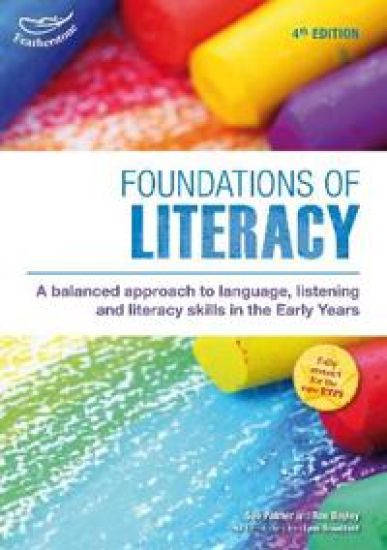
This fully revised fourth edition outlines seven strands of practice for three to six-year old children, designed to develop the skills, concepts and knowledge underpinning literacy in the early years. Accompanying each strand are clear explanations of the research and reasoning on which they are based. Practical advice on helping children transfer their learning into their own child-initiated activities, to build a genuine and solid foundation for literacy, is integral to the book.
Now in an updated second edition How to Teach Writing Across the Curriculum: Ages 6-8 provides a range of practical suggestions for teaching non-fiction writing skills and linking them to children’s learning across the entire curriculum. Providing a number of suggestions for teachers and putting emphasis on creative approaches to teaching children writing in diverse and innovative ways, it provides: techniques for using speaking and listening, drama and games to prepare for writing suggestions for the use of cross-curricular learning as a basis for writing planning frameworks and ‘skeletons’ to promote thinking skillsinformation on key language features of non-fiction texts examples of non-fiction writing guidance on the process of creating writing from note-making. With new hints and tips for teachers and suggestions for reflective practice, How to Teach Writing Across the Curriculum: Ages 6-8 will equip teachers with all the skills and materials needed to create enthusiastic non-fiction writers in their primary classroom.
Now in an updated second edition How to Teach Writing Across the Curriculum: Ages 8-14 provides a range of practical suggestions for teaching non-fiction writing skills and linking them to children’s learning across the curriculum. Emphasising creative approaches to teaching children’s writing in diverse and innovative ways, it provides: information on the organisation and language features of the six main non-fiction text types (recount, report, instruction, explanation, persuasion and discussion) suggestions for the use of cross-curricular learning as a basis for writing planning frameworks for children to promote thinking skillsadvice on developing children’s writing to help with organisational issues – paragraphing and layout, and the key language features examples of non-fiction writing suggestions for talk for learning and talk for writing (including links to 'Speaking Frames'; also published by Routledge) information on the transition from primary to secondary school. With new hints and tips for teachers and suggestions for reflective practice as well as a wealth of photocopiable materials, How to Teach Writing Across the Curriculum: Ages 8-14 will equip teachers with all the skills needed to create enthusiastic non-fiction writers in their classroom.
Now revised and expanded Speaking Frames: How to Teaching Talk for Writing: Ages 10-14 brings together material from Sue Palmer’s popular Speaking Frames books with additional material covering the primary/secondary transition. Providing an innovative and effective answer to the problem of teaching speaking and listening, this book offers a range of speaking frames for children to orally ‘fill in’, developing their language patterns and creativity, 'and boosting their confidence in the use of literate language patterns. Fully updated, this book offers:material for individual paired and group presentations and talk for writinglinks to cross-curricular ‘Skeletons'transition material and guidance on ‘bridging the gap’ between primary and secondary schoolssupport notes for teachers and assessment guidanceadvice on flexible progression and working to a child’s abilitysuggestions for developing individual pupils' spoken language skills. With a wealth of photocopiable sheets and creative ideas for speaking and listening, Speaking Frames: How to Teaching Talk for Writing: Ages 10-14 is essential reading for all practising, trainee and recently qualified teachers who wish to develop effective speaking and listening in their classroom.
Now in a new format Speaking Frames: How to Teaching Talk for Writing: Ages 8-10 brings together material from Sue Palmer’s popular Speaking Frames books for years 3 and 4. Providing an innovative and effective answer to the problem of teaching speaking and listening, this book offers a range of speaking frames for children to orally ‘fill in’ developing their language patterns and creativity, and boosting their confidence in talk for learning and talk for writing. Fully updated, this book offers: material for individual, paired and group presentationslinks to cross-curricular ‘Skeletons’support notes for teachers and assessment guidanceadvice on flexible progression and working to a child’s abilitysuggestions for developing individual pupils' spoken language skills. With a wealth of photocopiable sheets and creative ideas for speaking and listening, Speaking Frames: How to Teaching Talk for Writing: Ages 8-10 is essential reading for all practising, trainee and recently qualified teachers who wish to develop effective speaking and listening in their classroom.
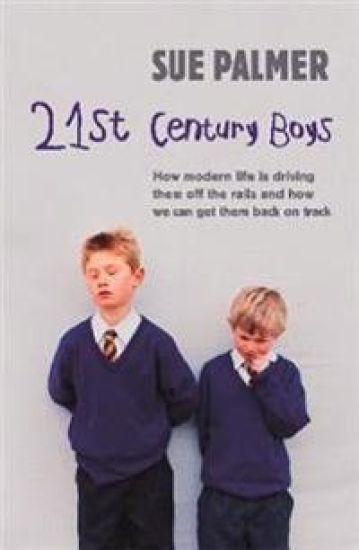
A major new insight into the difficulties of raising boys, and how parents can help their sons fulfil their potential. From the author of TOXIC CHILDHOOD.
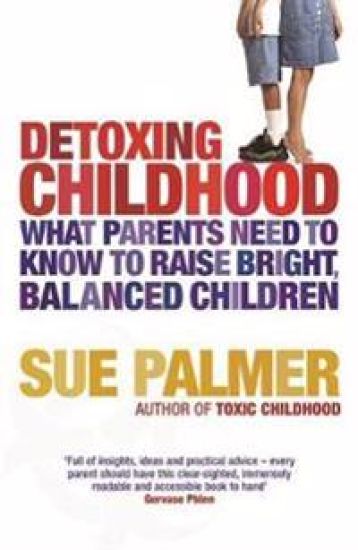
Sue Palmer's ground-breaking book TOXIC CHILDHOOD generated national debate. Now, in this important follow-up book, she provides an essential guide on how to bring up children in a way that avoids the problems of a toxic world. Includes practical, easy-to-follow advice on: FoodPlaySleepLanguageChildcare and educationFamily lifeUsing TV, computers and mobile phones to your advantageWith so many pressures across so many parts of our lives today, this book is the one-stop solution to all our concerns about raising healthy, happy children in the modern world.
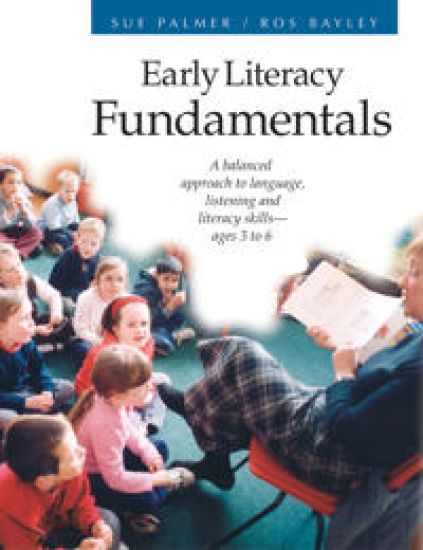
Early Literacy Fundamentals offers powerful activities to develop the skills, concepts, and knowledge underpinning early literacy. It builds on the personal, social, emotional, creative, and physical development skills that are a traditional part of early childhood programs. Based on the latest research, the book recognizes that oral language is the bedrock upon which formal learning is based and that literacy:begins at birth and is part of an ongoing developmental process;develops concurrently with oral language development;is enhanced by adult models who expose children to print and how it works;is based on a systematic relationship between letters and sounds;is rooted in and connected to the child's culture and communication patterns. Each of the activities, organized around a seven-strand framework that reflects successful early childhood practices, is presented along with background research and practical advice on helping children initiate their own constructive play. The types of activities teachers will find include:learning activities appropriate to a young child's age and stage of development;quality pre-school activities that boost all children's language and literacy skills, and build a strong foundation for reading and literacy success in school;opportunities for children to use oral language in a variety of ways as they play and experiment with words;adult-initiated whole-group activities that can be extended into child-initiated play. Early Literacy Fundamentals provides a comprehensive overview of the language and literacy experiences children need, and helps teachers give them a strong base on which future reading and learning success can grow.

Over 500 words are explained through activities and games. Val Biro's illustrations bring learning dictionary skills into the classroom in a fun way.