Kirjojen hintavertailu – 12 859 818 kirjaa ja 27 kauppaa

Kirjailija

Sue Parkinson

Kirjat ja teokset yhdessä paikassa: 6 kirjaa, julkaisuja vuosilta 2020–2026, suosituimpiin kuuluu Kielhofners Model of Human Occupation : teori och tillämpning. Vertaile teosten hintoja ja tarkista saatavuus suomalaisista kirjakaupoista.

6 kirjaa

Kirjojen julkaisuvuodet: 2020–2026.

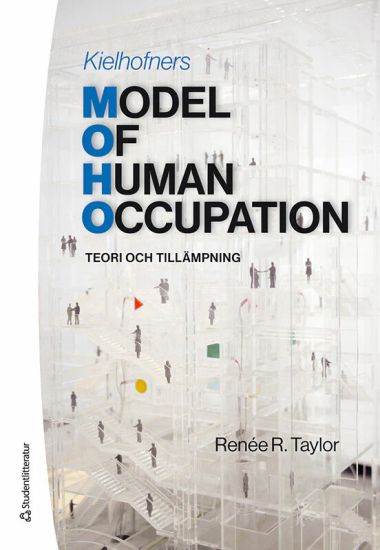
Kielhofners Model of Human Occupation : teori och tillämpning

Kielhofners Model of Human Occupation : teori och tillämpning

Renée R Taylor; Judith Abelenda; Patricia Bowyer; Susan M. Cahill; John Cooper; Nichola Duffy; Elin Ekbladh; Anette Erikson; Mandana Fallah Pour; Chia-Wei Fan; Gail Fisher; Kirsty Forsyth; Sylwia Gorska; Lena Haglund; Michele Harrison; Helena Hemmingsson; Carmen-Gloria de las Heras de Pablo; Roberta P. Holzmueller; Riitta Keponen; Jessica Kramer; Patricia Lavedure; Sun Wook Lee; Donald Maciver; Alice Moody; Jane Melton; Kelly Munger; Lauro Munoz; Hiromi Nakamura-Thomas; Louise Nygård; Jane C. O'Brien; Ay-Woan Pan; Sue Parkinson

Studentlitteratur AB
2020
nidottu
I den svenska översättningen av Kielhofner’s Model of Human Occupation (femte amerikanska upplagan, den andra i svensk översättning), presenteras teori, forskning och tillämpning av modellen i boken. Modellen förklarar hur aktivitet motiveras, inordnas i vardagens livsmönster, utförs och påverkas av aktuell miljökontext samt vad som händer när människan ställs inför svårigheter som sjukdom, skador och annat som leder till problem med att utföra aktiviteter. I boken diskuteras hur arbetsterapi med stöd av modellen kan möjliggöra för människor att engagera sig i aktiviteter som ger mening och tillfredsställelse och som gynnar deras fysiska och emotionella välbefinnande. MOHO är den internationellt mest spridda och använda aktivitetsfokuserade modellen inom arbetsterapi. Boken innehåller rikligt med exempel på hur MOHO kan användas vid personcentrerad arbetsterapi. Modellen grundar sig på omfattande forskning och det finns ett starkt evidensbaserat empiriskt stöd för modellen och dess användning, vilket framkommer i bokens rika referensmaterial. I denna femte upplaga av boken har nya kapitel med tillämpning av modellen inom olika områden tillkommit och miljöns betydelse för görande och aktivitet har utvecklats. Boken vänder sig främst till arbetsterapeuter, studenter och forskare inom arbetsterapi men även till andra som vill fördjupa sig kring människans engagemang och delaktighet i aktivitet. Den engelska originalupplagan är publicerad av Wolters Kluwer.
Maintaining Our Health through Occupation

Maintaining Our Health through Occupation

Sue Parkinson

TAYLOR FRANCIS LTD
2026
sidottu
Written by a leading author in the field, this practical and accessible intervention programme supports people to make sustainable lifestyle choices to improve their mental health and well-being. Based on the Model Of Human Occupation (MOHO), the programme aims to foster positivity and self-confidence. It encourages participants to reflect on seven core topics including their values, their routines, their interests and their social connections. Each topic is supported by a background literature section highlighting the occupational importance of the issue, followed by key messages for sharing with participants and a choice of person-friendly activities for exploring the ideas together. Supported by testimonials from occupational therapists who have already piloted the programme, this is a resource that will have wide appeal to practitioners working with mental health clients, as well as students wishing to understand how the MOHO can be applied in a group setting.
Maintaining Our Health through Occupation

Maintaining Our Health through Occupation

Sue Parkinson

TAYLOR FRANCIS LTD
2026
nidottu
Written by a leading author in the field, this practical and accessible intervention programme supports people to make sustainable lifestyle choices to improve their mental health and well-being. Based on the Model Of Human Occupation (MOHO), the programme aims to foster positivity and self-confidence. It encourages participants to reflect on seven core topics including their values, their routines, their interests and their social connections. Each topic is supported by a background literature section highlighting the occupational importance of the issue, followed by key messages for sharing with participants and a choice of person-friendly activities for exploring the ideas together. Supported by testimonials from occupational therapists who have already piloted the programme, this is a resource that will have wide appeal to practitioners working with mental health clients, as well as students wishing to understand how the MOHO can be applied in a group setting.
A Guide to the Formulation of Plans and Goals in Occupational Therapy
This practical guide for occupational therapists introduces a tried and tested method for moving from assessment to intervention, by formulating plans and measurable goals using the influential Model of Human occupation (MOHO). Section 1 introduces the concept of formulation – where it comes from, what it involves, why it is important, and how assessment information can be guided by theoretical frameworks and organised into a flowing narrative. Section 2 provides specific instructions for constructing occupational formulations using the Model of Human Occupation. In addition, a radically new way for creating aspirational goals is introduced - based on a simple acronym - which will enable occupational therapists to measure sustained changes rather than single actions. Section 3 presents 20 example occupational formulations and goals, from a wide range of mental health, physical health and learning disability settings, as well as a prison service, and services for homeless people and asylum seekers. Designed for practising occupational therapists and occupational students, this is an essential introduction for all those who are looking for an effective way to formulate plans and goals based on the Model of Human Occupation.
A Guide to the Formulation of Plans and Goals in Occupational Therapy

A Guide to the Formulation of Plans and Goals in Occupational Therapy

Sue Parkinson; Rob Brooks

Routledge
2020
sidottu

Halvin toimitettuna 252,20 €

This practical guide for occupational therapists introduces a tried and tested method for moving from assessment to intervention, by formulating plans and measurable goals using the influential Model of Human occupation (MOHO). Section 1 introduces the concept of formulation – where it comes from, what it involves, why it is important, and how assessment information can be guided by theoretical frameworks and organised into a flowing narrative. Section 2 provides specific instructions for constructing occupational formulations using the Model of Human Occupation. In addition, a radically new way for creating aspirational goals is introduced - based on a simple acronym - which will enable occupational therapists to measure sustained changes rather than single actions. Section 3 presents 20 example occupational formulations and goals, from a wide range of mental health, physical health and learning disability settings, as well as a prison service, and services for homeless people and asylum seekers. Designed for practising occupational therapists and occupational students, this is an essential introduction for all those who are looking for an effective way to formulate plans and goals based on the Model of Human Occupation.