Kirjojen hintavertailu – 12 903 735 kirjaa ja 27 kauppaa

Kirjailija

Sue Roffey

Kirjat ja teokset yhdessä paikassa: 23 kirjaa, julkaisuja vuosilta 2001–2024, suosituimpiin kuuluu Changing Behaviour in Schools. Vertaile teosten hintoja ja tarkista saatavuus suomalaisista kirjakaupoista.

23 kirjaa

Kirjojen julkaisuvuodet: 2001–2024.

ASPIRE to Wellbeing and Learning for All in Secondary Settings
This truly accessible resource shows secondary school practitioners how to help make every child and young person feel like they really matter when they are in school, so they can develop confidence, resilience, love of learning, a positive sense of self and healthy relationships. Sue Roffey shows how to create a learning environment where all pupils can thrive and make progress in learning, and where wellbeing for everyone is at the heart of every school. By using the unique evidence-based ASPIRE principles of Agency, Safety, Positivity, Inclusion, Respect and Equity in practice, this insightful book shows teachers how to redress the balance in ways that maximise a love for learning, build a positive sense of self, construct healthy relationships, foster resilience and help young people make good choices. This resource features a chapter for each principle which explores what this means, why it matters and how it can be applied across secondary schools. Although visionary, the book is based on both substantial evidence and good practice, with each chapter supported by case-studies across the world. The book demonstrates the positive difference each principle makes to children in secondary school settings as well as teachers, parents and the overall community. It is a must-read for secondary school teachers, tutors, school leaders, psychologists, parents and anyone who wants an education system that is inclusive, holistic and effective for all students.
ASPIRE to Wellbeing and Learning for All in Secondary Settings
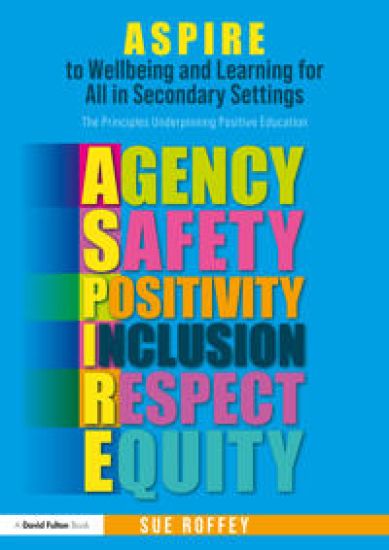
This truly accessible resource shows secondary school practitioners how to help make every child and young person feel like they really matter when they are in school, so they can develop confidence, resilience, love of learning, a positive sense of self and healthy relationships. Sue Roffey shows how to create a learning environment where all pupils can thrive and make progress in learning, and where wellbeing for everyone is at the heart of every school. By using the unique evidence-based ASPIRE principles of Agency, Safety, Positivity, Inclusion, Respect and Equity in practice, this insightful book shows teachers how to redress the balance in ways that maximise a love for learning, build a positive sense of self, construct healthy relationships, foster resilience and help young people make good choices. This resource features a chapter for each principle which explores what this means, why it matters and how it can be applied across secondary schools. Although visionary, the book is based on both substantial evidence and good practice, with each chapter supported by case-studies across the world. The book demonstrates the positive difference each principle makes to children in secondary school settings as well as teachers, parents and the overall community. It is a must-read for secondary school teachers, tutors, school leaders, psychologists, parents and anyone who wants an education system that is inclusive, holistic and effective for all students.
ASPIRE to Wellbeing and Learning for All in Early Years and Primary
This truly accessible resource shows primary school practitioners how to help every student feel valued and included in school so that they develop confidence, resilience, love of learning, a positive sense of self and healthy relationships. Sue Roffey presents a visionary and unique approach to education underpinned by clear principles that can be practically applied in all settings. It is aligned with healthy child development, and addresses what all children need if they are to learn and thrive, including those who experience difficulties and disadvantages. She envisages an education system fit for purpose where all pupils can thrive and make progress in learning, where wellbeing for everyone is at the heart of every school. She uses ASPIRE as an acronym for Agency, Safety, Positivity, Inclusion, Respect and Equity. These principles, when threaded through everything that happens in a school, can genuinely enhance both wellbeing and learning. This resource features a chapter for each principle which explores what this means, why it matters and how it can be applied in early years, primary classrooms and across primary schools. Although visionary, the book is based on both substantial evidence and good practice, with each chapter supported by case studies from across the world. The book demonstrates the positive difference each principle makes to children in primary school settings as well as teachers, parents and the overall community. It is a must-read for primary school teachers, tutors, school leaders, psychologists, parents and anyone who wants an education system that is inclusive, holistic and effective for all students.
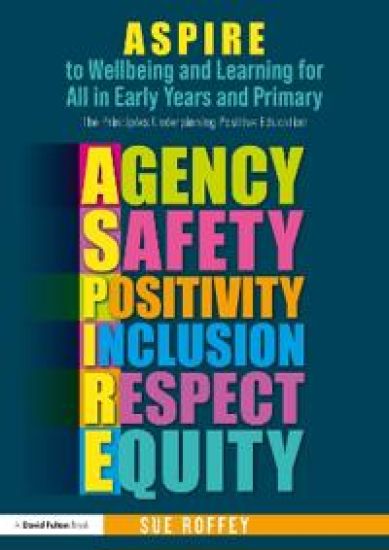
ASPIRE to Wellbeing and Learning for All in Early Years and Primary
This truly accessible resource shows primary school practitioners how to help every student feel valued and included in school so that they develop confidence, resilience, love of learning, a positive sense of self and healthy relationships. Sue Roffey presents a visionary and unique approach to education underpinned by clear principles that can be practically applied in all settings. It is aligned with healthy child development, and addresses what all children need if they are to learn and thrive, including those who experience difficulties and disadvantages. She envisages an education system fit for purpose where all pupils can thrive and make progress in learning, where wellbeing for everyone is at the heart of every school. She uses ASPIRE as an acronym for Agency, Safety, Positivity, Inclusion, Respect and Equity. These principles, when threaded through everything that happens in a school, can genuinely enhance both wellbeing and learning. This resource features a chapter for each principle which explores what this means, why it matters and how it can be applied in early years, primary classrooms and across primary schools. Although visionary, the book is based on both substantial evidence and good practice, with each chapter supported by case studies from across the world. The book demonstrates the positive difference each principle makes to children in primary school settings as well as teachers, parents and the overall community. It is a must-read for primary school teachers, tutors, school leaders, psychologists, parents and anyone who wants an education system that is inclusive, holistic and effective for all students.

Creating The World We Want To Live In

Creating The World We Want To Live In

Bridget Grenville-Cleave; Dóra Guðmundsdóttir; Felicia Huppert; Vanessa King; David Roffey; Sue Roffey; Marten de Vries

Routledge
2021
sidottu
This book is about hope and a call to action to make the world the kind of place we want to live in. Our hope is to provoke conversation, and gently challenge possibly long-held views, beliefs, and ideologies about the way the world works and the people in that world. Written by eminent researchers and experienced practitioners, the book explores the principles that underpin living well, and gives examples of how this can be achieved not just in our own lives, but across communities and the planet we share. Chapters cover the stages of life from childhood to ageing, the foundations of everyday flourishing, including health and relationships, and finally wellbeing in the wider world, addressing issues such as economics, politics and the environment. Based in the scientific evidence of what works and supported by illustrations of good practice, this book is both ambitious and aspirational. The book is designed for a wide audience – anyone seeking to create positive change in the world, their institutions or communities. www.creatingtheworldwewanttolivein.org
Creating The World We Want To Live In

Creating The World We Want To Live In

Bridget Grenville-Cleave; Dóra Guðmundsdóttir; Felicia Huppert; Vanessa King; David Roffey; Sue Roffey; Marten de Vries

Routledge
2021
nidottu

Halvin toimitettuna 29,70 €

This book is about hope and a call to action to make the world the kind of place we want to live in. Our hope is to provoke conversation, and gently challenge possibly long-held views, beliefs, and ideologies about the way the world works and the people in that world. Written by eminent researchers and experienced practitioners, the book explores the principles that underpin living well, and gives examples of how this can be achieved not just in our own lives, but across communities and the planet we share. Chapters cover the stages of life from childhood to ageing, the foundations of everyday flourishing, including health and relationships, and finally wellbeing in the wider world, addressing issues such as economics, politics and the environment. Based in the scientific evidence of what works and supported by illustrations of good practice, this book is both ambitious and aspirational. The book is designed for a wide audience – anyone seeking to create positive change in the world, their institutions or communities. www.creatingtheworldwewanttolivein.org
The Secondary Behaviour Cookbook

The Secondary Behaviour Cookbook

Sue Roffey

CRC Press Inc
2018
sidottu
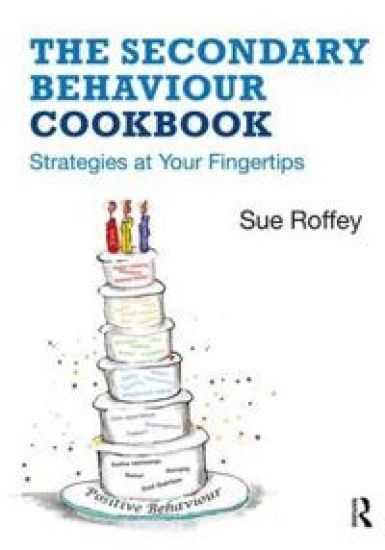
Developed in conjunction with teachers, The Secondary Behaviour Cookbook provides highly effective, practical strategies for responding to and resolving behavioural issues in secondary schools. Consisting of over fifty ‘recipes’, the book’s unique format enables teachers and practitioners to quickly and easily access information and advice on dealing with specific behaviours. Each ‘recipe’ details strategies and interventions for immediate application in the classroom setting, considers possible causes of the given behaviour, and offers helpful approaches for responding to young people’s needs in the longer term. From disorganization and lateness, to attention-seeking and destructive behaviours, bullying, anxiety and depression, the book’s sections cover a broad spectrum of behaviours falling within six broad categories: Getting Things Done: supporting positive student engagement and achievement Dealing with Disruption: increasing motivation and skills to facilitate learning Social Interactions: resolving problematic situations that occur between pupils. Coping with Conflict: addressing conflict in and out of the classroom, including aspects of bullying and discrimination Emotional Distress: understanding distress and developing coping strategies Behaviours of Special Concern: recognising behaviours associated with autism, trauma, abuse or poor mental wellbeing. Underpinned by positive psychology, and emphasising the importance of constructive relationships, communication, inclusion, wellbeing and resilience, this is an indispensable resource for secondary school teachers and educators, behaviour support consultants, SENDCOs and educational psychologists.
The Secondary Behaviour Cookbook

The Secondary Behaviour Cookbook

Sue Roffey

CRC Press Inc
2018
nidottu
Developed in conjunction with teachers, The Secondary Behaviour Cookbook provides highly effective, practical strategies for responding to and resolving behavioural issues in secondary schools. Consisting of over fifty ‘recipes’, the book’s unique format enables teachers and practitioners to quickly and easily access information and advice on dealing with specific behaviours. Each ‘recipe’ details strategies and interventions for immediate application in the classroom setting, considers possible causes of the given behaviour, and offers helpful approaches for responding to young people’s needs in the longer term. From disorganization and lateness, to attention-seeking and destructive behaviours, bullying, anxiety and depression, the book’s sections cover a broad spectrum of behaviours falling within six broad categories: Getting Things Done: supporting positive student engagement and achievement Dealing with Disruption: increasing motivation and skills to facilitate learning Social Interactions: resolving problematic situations that occur between pupils. Coping with Conflict: addressing conflict in and out of the classroom, including aspects of bullying and discrimination Emotional Distress: understanding distress and developing coping strategies Behaviours of Special Concern: recognising behaviours associated with autism, trauma, abuse or poor mental wellbeing. Underpinned by positive psychology, and emphasising the importance of constructive relationships, communication, inclusion, wellbeing and resilience, this is an indispensable resource for secondary school teachers and educators, behaviour support consultants, SENDCOs and educational psychologists.
The Primary Behaviour Cookbook

The Primary Behaviour Cookbook

Sue Roffey

CRC Press Inc
2018
sidottu
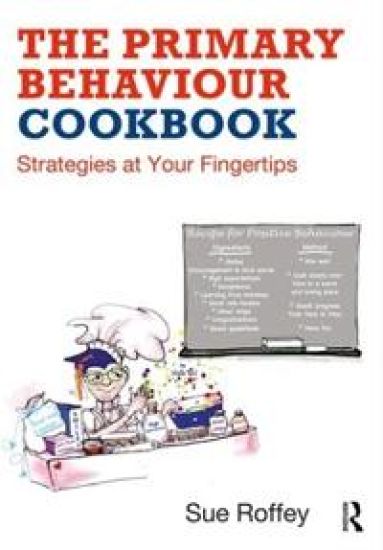
Developed in conjunction with practitioners and teachers, The Primary Behaviour Cookbook provides highly effective, practical strategies for responding to and resolving behavioural issues in primary classrooms. Consisting of over forty ‘recipes’, the book’s unique format enables practitioners to quickly and easily access information and advice on dealing with specific behaviours. Each ‘recipe’ details strategies and interventions for immediate application in the classroom setting, considers possible causes of the given behaviour and offers helpful approaches for responding to the child’s needs in the longer term. From disengagement to impulsivity, attention-seeking, defiance, bullying, anxiety and aggression, the book’s five sections cover a broad spectrum of behaviours falling within five broader categories: Getting things done: supporting positive student engagement and achievement Dealing with disruption: increasing motivation and skills to facilitate learning Social interactions: resolving problematic situations that occur between pupils. Emotional distress: understanding distress and developing coping strategies Behaviours of special concern: recognising behaviours associated with autism, trauma, or abuse. Underpinned by positive psychology, and emphasizing the importance of constructive relationships, communication, inclusion and child wellbeing, this is an indispensable resource for primary school teachers and assistants, behaviour support consultants, SENDCOs and educational psychologists.
The Primary Behaviour Cookbook

The Primary Behaviour Cookbook

Sue Roffey

CRC Press Inc
2018
nidottu
Developed in conjunction with practitioners and teachers, The Primary Behaviour Cookbook provides highly effective, practical strategies for responding to and resolving behavioural issues in primary classrooms. Consisting of over forty ‘recipes’, the book’s unique format enables practitioners to quickly and easily access information and advice on dealing with specific behaviours. Each ‘recipe’ details strategies and interventions for immediate application in the classroom setting, considers possible causes of the given behaviour and offers helpful approaches for responding to the child’s needs in the longer term. From disengagement to impulsivity, attention-seeking, defiance, bullying, anxiety and aggression, the book’s five sections cover a broad spectrum of behaviours falling within five broader categories: Getting things done: supporting positive student engagement and achievement Dealing with disruption: increasing motivation and skills to facilitate learning Social interactions: resolving problematic situations that occur between pupils. Emotional distress: understanding distress and developing coping strategies Behaviours of special concern: recognising behaviours associated with autism, trauma, or abuse. Underpinned by positive psychology, and emphasizing the importance of constructive relationships, communication, inclusion and child wellbeing, this is an indispensable resource for primary school teachers and assistants, behaviour support consultants, SENDCOs and educational psychologists.
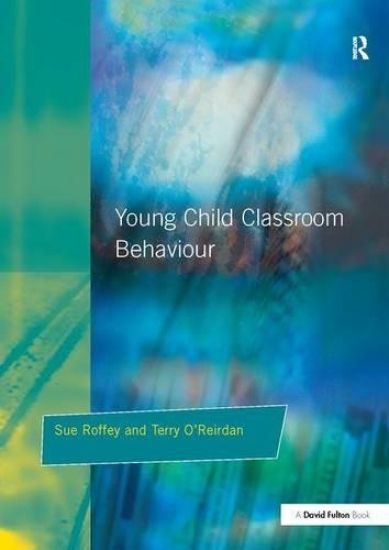
Young Children and Classroom Behaviour

Young Children and Classroom Behaviour

Sue Roffey; Terry O'Reirdan

Routledge
2017
sidottu
First Published in 2001. This book takes an overall perspective on young children's behaviour. Rather than offering a single approach or a specific strategy to deal with children's difficult behaviour it clarifies all those factors which must be taken into account when promoting positive behaviour in school. The message is that it is the 'whole package' that makes the difference. A strategy is only as good as the context in which it takes place.
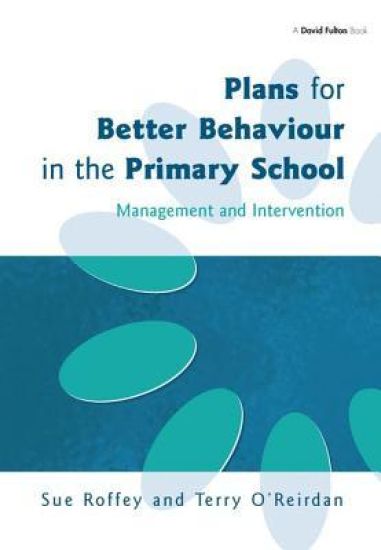
Plans for Better Behaviour in the Primary School

Plans for Better Behaviour in the Primary School

Sue Roffey; Terry O'Reirdan

CRC Press
2016
sidottu
This work suggests strategies for working with children who can't settle down to work, who have angry outbursts, who demand constant attention or who display a whole range of challenging behaviours. The book's special format allows the reader to look up the specific type of behaviour and see a range of tactics to help him or her deal with the situation in the short term, and then to consider what might be done in the longer term to prevent recurrence. No more ploughing through dense text - this is all at your fingertips. By drawing on the good practice of many practioners and by looking at the most commonly experienced behavioural difficulties, the authors suggest approaches that really work. This is a behaviour handbook that should appeal to every teacher and teaching assistant and prove a useful resource for learning mentors, behaviour support staff and educational psychologists.
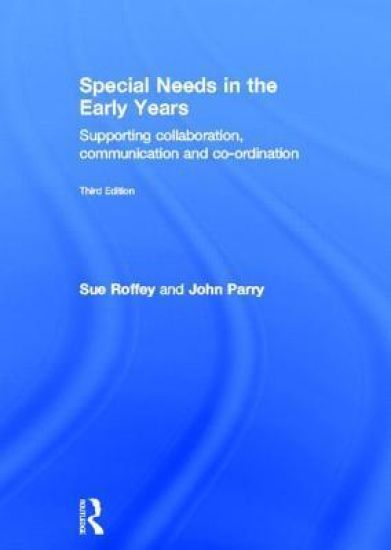
Special Needs in the Early Years

Special Needs in the Early Years

Sue Roffey; John Parry

Routledge
2014
sidottu
This highly popular and accessible text contains a wealth of information about how early years staff can work effectively with professionals and parents to help identify and meet a range of special educational needs. This book aims to explore the most effective ways of supporting the child and implementing that support across the child’s day to day life. Now in its third edition Special Needs in the Early Years is fully updated to reflect current policy, and topics covered include: Early identification Effective communication with parents and carers An exploration of the legal context How to implement joint planning for identified needs A consideration of the issues affecting collaborationWith case-studies, checklists, suggestions for good practice and cartoons to illustrate and enrich the text throughout, this book is structured to be easily accessible and invaluable for those who are in training to work in the early years sector. It will also be of interest to students on foundation and undergraduate students on Early Childhood Education and childcare courses as well as more experienced practitioners.
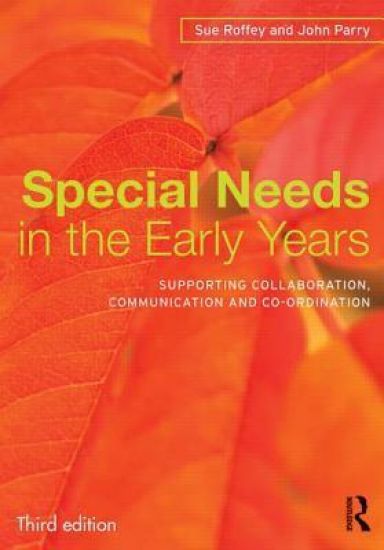
Special Needs in the Early Years

Special Needs in the Early Years

Sue Roffey; John Parry

Routledge
2013
nidottu
This highly popular and accessible text contains a wealth of information about how early years staff can work effectively with professionals and parents to help identify and meet a range of special educational needs. This book aims to explore the most effective ways of supporting the child and implementing that support across the child’s day to day life. Now in its third edition Special Needs in the Early Years is fully updated to reflect current policy, and topics covered include: Early identification Effective communication with parents and carers An exploration of the legal context How to implement joint planning for identified needs A consideration of the issues affecting collaborationWith case-studies, checklists, suggestions for good practice and cartoons to illustrate and enrich the text throughout, this book is structured to be easily accessible and invaluable for those who are in training to work in the early years sector. It will also be of interest to students on foundation and undergraduate students on Early Childhood Education and childcare courses as well as more experienced practitioners.
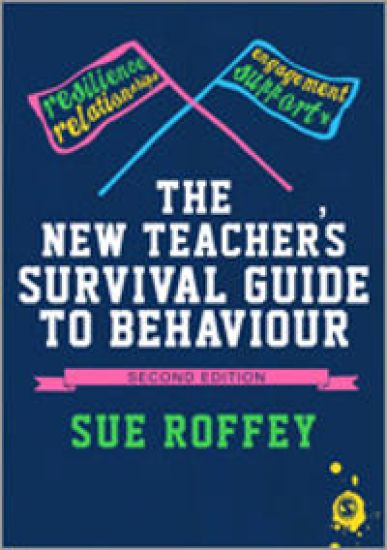
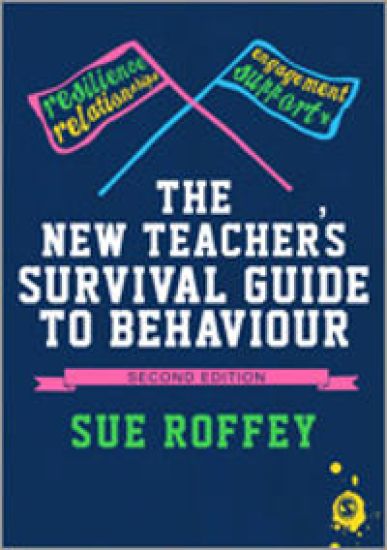
The New Teacher's Survival Guide to Behaviour

The New Teacher's Survival Guide to Behaviour

Sue Roffey

SAGE Publications Ltd
2011
sidottu
This book is about you: you in your new role, you as a complex person with strengths and needs – just like your students. It is about the way you think of yourself as well as the children and young people you teach and how you build the relationships you need to have. You have exactly the same issues as your pupils in many ways – pressure to ‘perform’, issues of control, how to get the maximum amount of satisfaction out of your days, and how to make experiences meaningful and worthwhile. This book has been written so that as a new teacher, you might have the best possible chance of being motivated to stay in education, fully involved and passionate about the difference you can make for your pupils and their future. Here you will find suggestions about ways of being in school that enable you to enjoy the interaction both with the students you teach and also with the colleagues who support you. These include: · getting and maintaining credibility in your new role · putting respect into operation · developing student self-awareness and self-control · being aware of and promoting a positive emotional climate in your classroom · dealing with conflict and confrontation in ways which do not undermine your sense of self and purpose · seeing difficulties as part of the challenge, not the reason to fear coming through the school gates. Sue Roffey is an educational psychologist, consultant, writer and academic specialising in social, emotional and behavioural issues. She is currently Adjunct Research Fellow at the University of Western Sydney, Australia, and Honorary Lecturer at University College, London.
The New Teacher's Survival Guide to Behaviour

The New Teacher's Survival Guide to Behaviour

Sue Roffey

SAGE Publications Ltd
2011
nidottu
This book is about you: you in your new role, you as a complex person with strengths and needs – just like your students. It is about the way you think of yourself as well as the children and young people you teach and how you build the relationships you need to have. You have exactly the same issues as your pupils in many ways – pressure to ‘perform’, issues of control, how to get the maximum amount of satisfaction out of your days, and how to make experiences meaningful and worthwhile. This book has been written so that as a new teacher, you might have the best possible chance of being motivated to stay in education, fully involved and passionate about the difference you can make for your pupils and their future. Here you will find suggestions about ways of being in school that enable you to enjoy the interaction both with the students you teach and also with the colleagues who support you. These include: · getting and maintaining credibility in your new role · putting respect into operation · developing student self-awareness and self-control · being aware of and promoting a positive emotional climate in your classroom · dealing with conflict and confrontation in ways which do not undermine your sense of self and purpose · seeing difficulties as part of the challenge, not the reason to fear coming through the school gates. Sue Roffey is an educational psychologist, consultant, writer and academic specialising in social, emotional and behavioural issues. She is currently Adjunct Research Fellow at the University of Western Sydney, Australia, and Honorary Lecturer at University College, London.
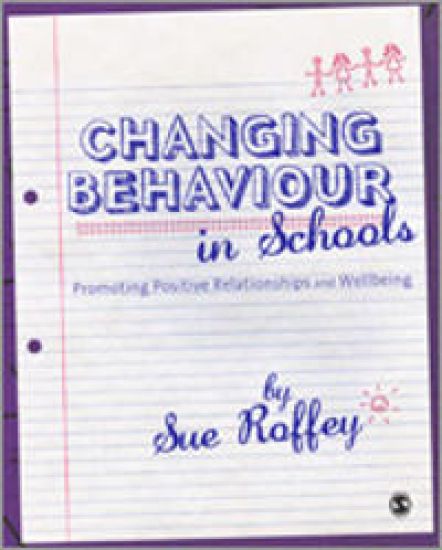
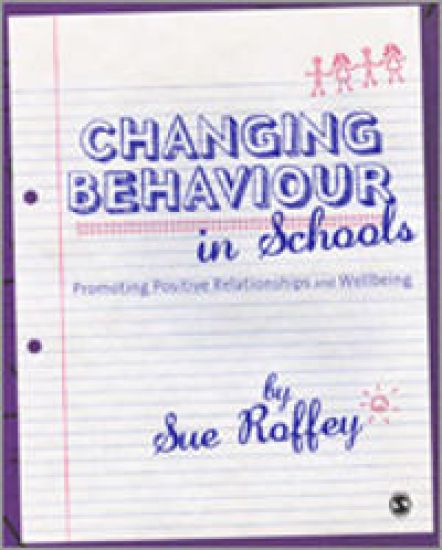
Changing Behaviour in Schools

Changing Behaviour in Schools

Sue Roffey

SAGE Publications Ltd
2010
nidottu
Good teachers know that positive relationships with students and school connectedness lead to both improved learning and better behaviour for all students, and this is backed up by research. This book will show you how to promote positive behaviour and wellbeing in your setting. Taking an holistic approach to working with students, the author provides examples of effective strategies for encouraging pro-social and collaborative behaviour in the classroom, the school and the wider community. Chapters look at the importance of the social and emotional aspects of learning, and ways to facilitate change. Issues covered include: -developing a sense of belonging in the classroom -teaching approaches that maximise engagement and participation -how to respond effectively to challenging situations -ways to re-engage with students who have become marginalized. Each chapter has case studies from primary and secondary schools, activities, checklists and suggestions for further reading. This is an essential textbook for trainee and newly-qualified teachers, and is also useful for more experienced teachers, as it offers advice to all on how to manage student relationships with confidence, respect and resilience.
Changing Behaviour in Schools

Changing Behaviour in Schools

Sue Roffey

SAGE Publications Ltd
2010
sidottu
Good teachers know that positive relationships with students and school connectedness lead to both improved learning and better behaviour for all students, and this is backed up by research. This book will show you how to promote positive behaviour and wellbeing in your setting. Taking an holistic approach to working with students, the author provides examples of effective strategies for encouraging pro-social and collaborative behaviour in the classroom, the school and the wider community. Chapters look at the importance of the social and emotional aspects of learning, and ways to facilitate change. Issues covered include: -developing a sense of belonging in the classroom -teaching approaches that maximise engagement and participation -how to respond effectively to challenging situations -ways to re-engage with students who have become marginalized. Each chapter has case studies from primary and secondary schools, activities, checklists and suggestions for further reading. This is an essential textbook for trainee and newly-qualified teachers, and is also useful for more experienced teachers, as it offers advice to all on how to manage student relationships with confidence, respect and resilience.
Helping with Behaviour

Helping with Behaviour

Sue Roffey

Routledge
2005
sidottu
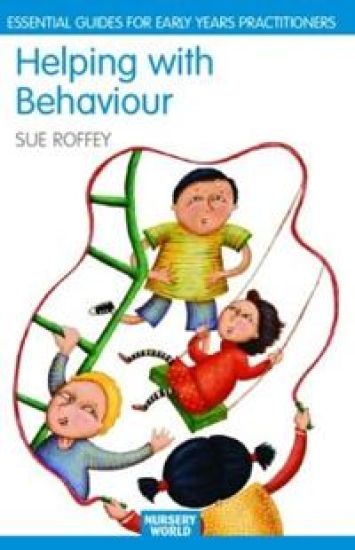
This book shows how to establish good practice in early years settings so that all children are supported in developing positive interactions with one another. With limited material available for practitioners in this area, Sue Roffey explains the features of an 'emotionally literate' environment in order to meet the needs of more vulnerable children, and looks at how to respond effectively when children are distressed and hard to manage. She provides a wealth of ideas and inspiration throughout, using down-to-earth language, and looks at:how to foster language and build self-esteemhow to help pre-schoolers learn to feel good about complying and co-operatinghow children can become strong individuals as well as learn to be goodhow to identify more worrying behaviour and when to refer to other professionals. Based on sound psychological theory and research and packed full of practical activities, illustrations, support and advice, this will be an invaluable source of inspiration for anyone concerned with providing the best environment for vulnerable young children in their care.
Helping with Behaviour

Helping with Behaviour

Sue Roffey

Routledge
2005
nidottu
This book shows how to establish good practice in early years settings so that all children are supported in developing positive interactions with one another. With limited material available for practitioners in this area, Sue Roffey explains the features of an 'emotionally literate' environment in order to meet the needs of more vulnerable children, and looks at how to respond effectively when children are distressed and hard to manage. She provides a wealth of ideas and inspiration throughout, using down-to-earth language, and looks at:how to foster language and build self-esteemhow to help pre-schoolers learn to feel good about complying and co-operatinghow children can become strong individuals as well as learn to be goodhow to identify more worrying behaviour and when to refer to other professionals. Based on sound psychological theory and research and packed full of practical activities, illustrations, support and advice, this will be an invaluable source of inspiration for anyone concerned with providing the best environment for vulnerable young children in their care.