Kirjojen hintavertailu – 12 859 829 kirjaa ja 27 kauppaa
Kirjailija
Sunipa Roy
Kirjat ja teokset yhdessä paikassa: 10 kirjaa, julkaisuja vuosilta 2015–2024, suosituimpiin kuuluu Nanohíbridos de grafeno y óxido metálico para sensores de hidrógeno. Vertaile teosten hintoja ja tarkista saatavuus suomalaisista kirjakaupoista.
Le livre d montre le processus de synth se du semi-conducteur oxyde m tallique et du graph ne/rGO pour les applications de capteurs de gaz dans le but de d velopper un capteur de gaz hydrog ne temp rature ambiante efficace utilisant une structure nanohybride h t rojonction n-ZnO/p-rGO pour r pondre la demande croissante de syst mes de surveillance de gaz hydrog ne faible co t, de fabrication simple, durables, stables, exceptionnellement sensibles et s lectifs, en particulier pour garantir la s curit industrielle. La premi re partie du livre traite des films minces sensibles au gaz d'oxyde de zinc (ZnO) et tudie le comportement de sensibilit des films d velopp s la d tection d'hydrog ne. Une technique de d p t chimique faible co t a t utilis e pour d poser le film mince de nanoparticules de ZnO. Ce livre tudie la r ponse du capteur sous diff rentes concentrations de gaz. Une technique d'exfoliation lectrochimique simple et faible co t a t utilis e pour synth tiser le graph ne/rGO. Les spectres Raman d terminent la cristallinit , ainsi que le nombre de couches de graph ne, pr sentes dans l' chantillon.
O livro demonstra o processo de s ntese de semicondutor de xido met lico e grafeno/rGO para aplica es de sensores de g s com o objetivo de desenvolver um sensor eficiente de g s hidrog nio temperatura ambiente usando estrutura nanoh brida de heterojun o n-ZnO/p-rGO em apoio crescente procura de baixo custo, fabrico simples, sistema de monitoriza o de hidrog nio gasoso de longa dura o, est vel, excecionalmente sens vel e seletivo, especialmente para garantir a seguran a industrial. sens veis a gases e estuda o comportamento de sensibilidade de os filmes revelados para a dete o de hidrog nio. Uma t cnica de deposi o qu mica de baixo custo tem sido utilizada para depositar o filme fino de NPs de ZnO. Os estudos deste livro foram feitos sobre a resposta do sensor sob diferentes concentra es de g s. Uma t cnica de esfolia o electroqu mica simples e de baixo custo tem sido utilizada para sintetizar o Grafeno /rGO. Os espectros Raman determinam a cristalinidade, bem como o n mero de camadas de grafeno presentes na amostra.
Das Buch demonstriert den Syntheseprozess von Metalloxid-Halbleitern und Graphen/rGO f r Gassensoranwendungen mit dem Ziel, einen effizienten Wasserstoffgassensor f r Raumtemperatur unter Verwendung einer n-ZnO/p-rGO-Hetero bergangs-Nanohybridstruktur zu entwickeln, um die wachsende Nachfrage nach einem kosteng nstigen, einfach herzustellenden, langlebigen, stabilen, au ergew hnlich empfindlichen und selektiven Wasserstoffgas berwachungssystem zu unterst tzen, insbesondere zur Gew hrleistung der Arbeitssicherheit. Der erste Teil des Buches befasst sich mit den gasempfindlichen d nnen Filmen aus Zinkoxid (ZnO) und untersucht das Empfindlichkeitsverhalten der entwickelten Filme in Bezug auf die Wasserstofferkennung. Zum Aufbringen des d nnen ZnO-NP-Films wurde eine kosteng nstige chemische Abscheidungstechnik verwendet. In diesem Buch wurden Studien zur Sensorreaktion bei verschiedenen Gaskonzentrationen durchgef hrt. Zur Synthese von Graphen/rGO wurde eine kosteng nstige, einfache elektrochemische Exfoliationstechnik verwendet. Raman-Spektren bestimmen die Kristallinit t sowie die Anzahl der in der Probe vorhandenen Graphenschichten.
Il libro illustra il processo di sintesi di semiconduttori in ossido di metallo e grafene/rGO per applicazioni di sensori di gas con un obiettivo di sviluppo di un efficiente sensore di gas idrogeno a temperatura ambiente utilizzando una struttura nanoibrida eterogiunzione n-ZnO/p-rGO a supporto della crescente domanda di un sistema di monitoraggio del gas idrogeno a basso costo, di semplice fabbricazione, di lunga durata, stabile, eccezionalmente sensibile e selettivo, in particolare per garantire la sicurezza industriale. La prima parte del libro discute i film sottili sensibili al gas di ossido di zinco (ZnO) e studia il comportamento di sensibilit dei film sviluppati verso il rilevamento dell'idrogeno. Una tecnica di deposizione chimica a basso costo stata utilizzata per depositare il film sottile di NP di ZnO. Questo libro ha studiato la risposta del sensore a diverse concentrazioni di gas. Una tecnica di esfoliazione elettrochimica semplice a basso costo stata utilizzata per sintetizzare grafene/rGO. Gli spettri Raman determinano la cristallinit , cos come il numero di strati di grafene, presenti nel campione.
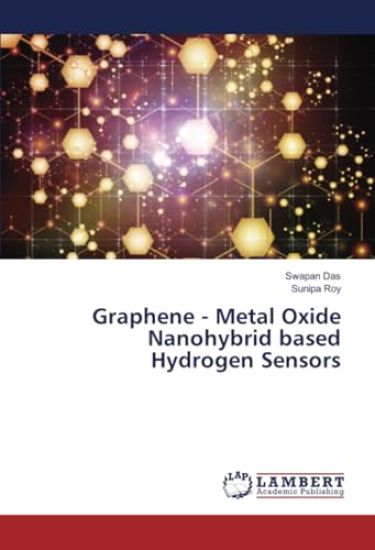
The book demonstrates the synthesis process of metal oxide semiconductor and Graphene/rGO for gas sensor applications with a motive to development of efficient room temperature hydrogen gas sensor using n-ZnO/p-rGO heterojunction nanohybrid structure in support of the growing demand for the low cost, simple fabrication, long-lasting, stable, exceptionally sensitive, and selective hydrogen gas monitoring system particularly to ensure industrial safety. The first part of the book discusses the gas sensitive thin films of zinc oxide (ZnO) and studies the sensitivity behavior of the developed films towards hydrogen detection. A low cost chemical deposition technique has been used to deposit the ZnO NPs thin film. This book studies have been done on the sensor response under different gas concentrations. A low-cost simple electrochemical exfoliation technique has been used to synthesis Graphene /rGO. Raman spectra determine the crystallinity, as well as the number of graphene layers, present in the sample.
"Transistors: From Theory to Practice" dives deep into the evolution and impact of transistors, tracing their journey from theoretical concept to practical application. This comprehensive book explores transistor operation's fundamental principles, highlighting key breakthroughs that revolutionized electronics. Through clear explanations and illustrative examples, it navigates readers through the intricate workings of transistors, offering insights into their role in shaping modern technology. Whether you're a student, engineer, or enthusiast, this book is an indispensable guide to understanding the transformative power of transistors in the digital age.
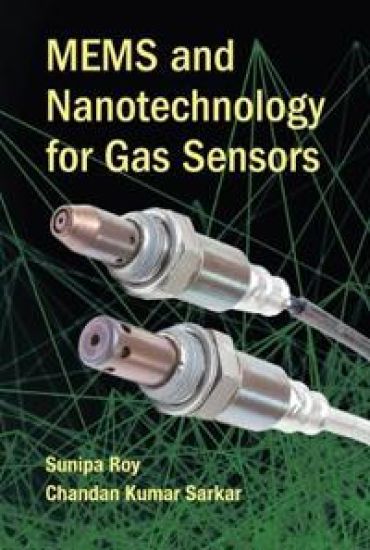
How Can We Lower the Power Consumption of Gas Sensors? There is a growing demand for low-power, high-density gas sensor arrays that can overcome problems relative to high power consumption. Low power consumption is a prerequisite for any type of sensor system to operate at optimum efficiency. Focused on fabrication-friendly microelectromechanical systems (MEMS) and other areas of sensor technology, MEMS and Nanotechnology for Gas Sensors explores the distinct advantages of using MEMS in low power consumption, and provides extensive coverage of the MEMS/nanotechnology platform for gas sensor applications. This book outlines the microfabrication technology needed to fabricate a gas sensor on a MEMS platform. It discusses semiconductors, graphene, nanocrystalline ZnO-based microfabricated sensors, and nanostructures for volatile organic compounds. It also includes performance parameters for the state of the art of sensors, and the applications of MEMS and nanotechnology in different areas relevant to the sensor domain. In addition, the book includes: An introduction to MEMS for MEMS materials, and a historical background of MEMSA concept for cleanroom technologyThe substrate materials used for MEMSTwo types of deposition techniques, including chemical vapour deposition (CVD)The properties and types of photoresists, and the photolithographic processesDifferent micromachining techniques for the gas sensor platform, and bulk and surface micromachiningThe design issues of a microheater for MEMS-based sensorsThe synthesis technique of a nanocrystalline metal oxide layerA detailed review about graphene; its different deposition techniques; and its important electronic, electrical, and mechanical properties with its application as a gas sensorLow-cost, low-temperature synthesis techniquesAn explanation of volatile organic compound (VOC) detection and how relative humidity affects the sensing parameters MEMS and Nanotechnology for Gas Sensors provides a broad overview of current, emerging, and possible future MEMS applications. MEMS technology can be applied in the automotive, consumer, industrial, and biotechnology domains.
How Can We Lower the Power Consumption of Gas Sensors? There is a growing demand for low-power, high-density gas sensor arrays that can overcome problems relative to high power consumption. Low power consumption is a prerequisite for any type of sensor system to operate at optimum efficiency. Focused on fabrication-friendly microelectromechanical systems (MEMS) and other areas of sensor technology, MEMS and Nanotechnology for Gas Sensors explores the distinct advantages of using MEMS in low power consumption, and provides extensive coverage of the MEMS/nanotechnology platform for gas sensor applications. This book outlines the microfabrication technology needed to fabricate a gas sensor on a MEMS platform. It discusses semiconductors, graphene, nanocrystalline ZnO-based microfabricated sensors, and nanostructures for volatile organic compounds. It also includes performance parameters for the state of the art of sensors, and the applications of MEMS and nanotechnology in different areas relevant to the sensor domain. In addition, the book includes: An introduction to MEMS for MEMS materials, and a historical background of MEMSA concept for cleanroom technologyThe substrate materials used for MEMSTwo types of deposition techniques, including chemical vapour deposition (CVD)The properties and types of photoresists, and the photolithographic processesDifferent micromachining techniques for the gas sensor platform, and bulk and surface micromachiningThe design issues of a microheater for MEMS-based sensorsThe synthesis technique of a nanocrystalline metal oxide layerA detailed review about graphene; its different deposition techniques; and its important electronic, electrical, and mechanical properties with its application as a gas sensorLow-cost, low-temperature synthesis techniquesAn explanation of volatile organic compound (VOC) detection and how relative humidity affects the sensing parametersMEMS and Nanotechnology for Gas Sensors provides a broad overview of current, emerging, and possible future MEMS applications. MEMS technology can be applied in the automotive, consumer, industrial, and biotechnology domains.