Kirjojen hintavertailu – 12 859 828 kirjaa ja 27 kauppaa

Kirjailija

Susan C. Boyd

Kirjat ja teokset yhdessä paikassa: 9 kirjaa, julkaisuja vuosilta 1999–2017, suosituimpiin kuuluu Killer Weed. Vertaile teosten hintoja ja tarkista saatavuus suomalaisista kirjakaupoista.

9 kirjaa

Kirjojen julkaisuvuodet: 1999–2017.

Killer Weed

Killer Weed

Susan C. Boyd; Connie Carter

University of Toronto Press
2014
sidottu
Since the late 1990s, marijuana grow operations have been identified by media and others as a new and dangerous criminal activity of “epidemic” proportions. With Killer Weed, Susan C. Boyd and Connie Carter use their analysis of fifteen years of newspaper coverage to show how consensus about the dangerous people and practices associated with marijuana cultivation was created and disseminated by numerous spokespeople including police, RCMP, and the media in Canada. The authors focus on the context of media reports in Canada to show how claims about marijuana cultivation have intensified the perception that this activity poses “significant” dangers to public safety and thus is an appropriate target for Canada’s war on drugs. Boyd and Carter carefully show how the media draw on the same spokespeople to tell the same story again and again, and how a limited number of messages has led to an expanding anti-drug campaign that uses not only police, but BC Hydro and local municipalities to crack down on drug production. Going beyond the newspapers, Killer Weed examines how legal, political, and civil initiatives that have emerged from the media narrative have troubling consequences for a shrinking Canadian civil society.
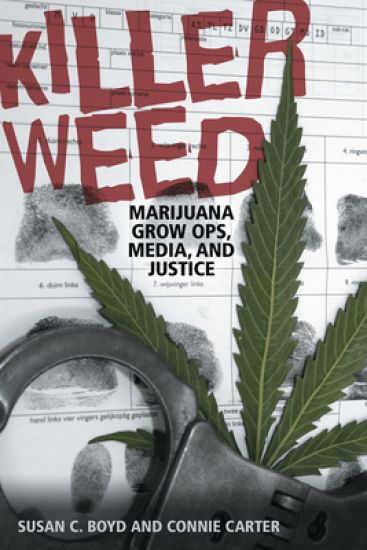
Killer Weed

Killer Weed

Susan C. Boyd; Connie Carter

University of Toronto Press
2014
pokkari
Since the late 1990s, marijuana grow operations have been identified by media and others as a new and dangerous criminal activity of “epidemic” proportions. With Killer Weed, Susan C. Boyd and Connie Carter use their analysis of fifteen years of newspaper coverage to show how consensus about the dangerous people and practices associated with marijuana cultivation was created and disseminated by numerous spokespeople including police, RCMP, and the media in Canada. The authors focus on the context of media reports in Canada to show how claims about marijuana cultivation have intensified the perception that this activity poses “significant” dangers to public safety and thus is an appropriate target for Canada’s war on drugs. Boyd and Carter carefully show how the media draw on the same spokespeople to tell the same story again and again, and how a limited number of messages has led to an expanding anti-drug campaign that uses not only police, but BC Hydro and local municipalities to crack down on drug production. Going beyond the newspapers, Killer Weed examines how legal, political, and civil initiatives that have emerged from the media narrative have troubling consequences for a shrinking Canadian civil society.
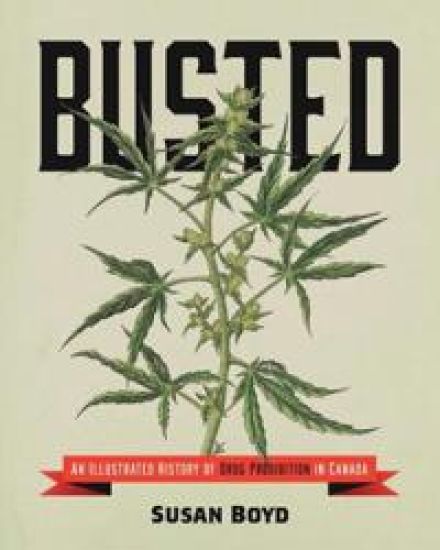
Busted

Busted

Susan C. Boyd

Fernwood Publishing Co Ltd
2017
nidottu
Long-listed for the George Ryga Award. Canada's drug laws are constantly changing. But what does Canada's history of drug prohibition say about its future? Busted is an illustrated history of Canadian drug prohibition and resistance to that prohibition. Reproducing over 170 archival and contemporary drawings, paintings, photographs, film stills and official documents from the 1700s to the present, Susan Boyd shows how Canada's drug prohibition policies evolved and were shaped by white supremacy, colonization, race, class and gender discrimination. This history demonstrates that prohibition and criminalization produces harm rather than benefits, including the arrest of thousands of Canadians each year for cannabis-related offences, and the current drug overdose crisis. . Visually engaging and approachably written, Busted is a timely examination of Canada's history of drug control and movements against that control. Susan Boyd argues that in order to chart the future, it is worthwhile for us as Canadians to know our history of prohibition and how it continues to intersects with colonization and race, class, and gender injustice.
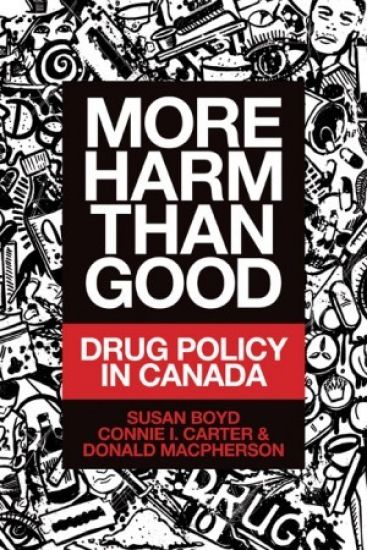
More Harm Than Good

More Harm Than Good

Susan C. Boyd; Connie I. Carter; Donald MacPherson

Fernwood Publishing Co Ltd
2016
nidottu
In More Harm Than Good, Carter, Boyd and MacPherson take a critical look at the current state of Canadian drug policy and raise key questions about the effects of Canada s increasing involvement in and commitment to the war on drugs. A primer on Canadian drug policy, the analysis in More Harm Than Good is shaped by critical sociology and feminist perspectives on drugs and incorporates insights not only from individuals who are on the front lines of drug policy in Canada treatment and service workers but also from those who live with the consequences of that policy on a daily basis people who use criminalized drugs. Finally, the authors propose realistic alternatives to today s failed policy approach. "
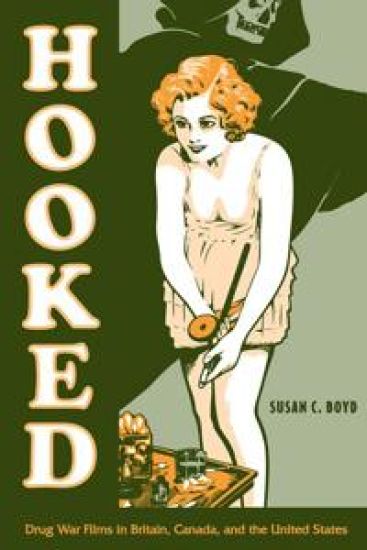
Hooked

Hooked

Susan C. Boyd

University of Toronto Press
2009
pokkari
Drug prohibition laws began to emerge in the United States, Canada, and Britain during the same era that saw the discovery of film. In Hooked, Susan C. Boyd explores over a century of American, British, and Canadian films containing fictional representations of drug use, the drug trade, and the war on drugs. She examines not only popular, mainstream films but also counterculture, alternative, and 'stoner' movies, including Harold and Kumar go to White Castle, and Trailer Park Boys: The Movie. On-screen depictions of drug use and trafficking are powerful indicators of evolving socio-cultural attitudes towards illegal drugs. Using films such as Broken Blossoms, The Trip, Superfly, Traffic, and Trainspotting, Boyd explores how illegal drugs are linked to discourses of the Other, nation building, and law and order. Her discussion takes into account issues of race, class, and gender, and includes an important analysis of representations of women. A fascinating and groundbreaking study, Hooked uncovers the links between cinema and the cultural production of myths and stereotypes related to illegal drugs.
Hooked: Drug War Films in Britain, Canada, and the U.S.
Drug prohibition emerged at the same time as the discovery of film, and their histories intersect in interesting ways. This book examines the ideological assumptions embedded in the narrative and imagery of one hundred fictional drug films produced in Britain, Canada, and the U. S. from 1912 to 2006, including Broken Blossoms, Reefer Madness, The Trip, Superfly, Withnail and I, Traffik, Traffic, Layer Cake, Harold and Kumar Go to White Castle, Trailer Park Boys, and more. Boyd focuses on past and contemporary illegal drug discourse about users, traffickers, drug treatment, and the intersection of criminal justice with counterculture, alternative, and stoner flicks. She provides a socio-historical and cultural criminological perspective, and an analysis of race, class and gender representations in illegal drug films. This illuminating work will be an essential text for a wide range of students and scholars in the fields of criminology, sociology, media, gender and women’s studies, drug studies, and cultural studies.
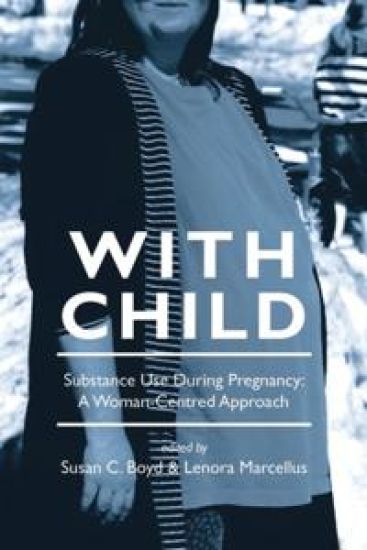
With Child

With Child

Susan C. Boyd

Fernwood Publishing Co Ltd
2007
nidottu
Pregnant drug users are the focus of this new study that argues that women who abuse substances should not be treated differently during their pregnancies but should instead be treated the same way as women who have medical problems with obstetric consequences. The social issues that produce drug abuse during pregnancy are discussed, and valuable information about top practices and policies for caring for maternal drug users is provided.
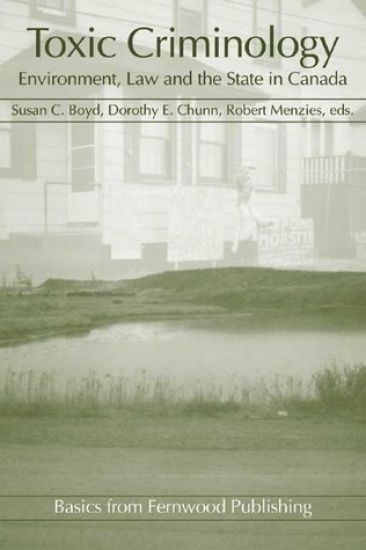
Toxic Criminology

Toxic Criminology

Susan C. Boyd; Dorothy E. Chunn; Robert Menzies

Fernwood Publishing Co Ltd
2004
nidottu
A wide range of perspectives on how Canadian criminal law, civil law, and policing strategies treat ecological transgressions are included in this introduction to the serious consequences of environmental crime, often perceived as an upper-class, "soft" crime.
Mothers and Illicit Drugs

Mothers and Illicit Drugs

Susan C. Boyd

University of Toronto Press
1999
pokkari
During the past decade, media and medical forces have combined to create an alarming view of pregnant mothers who use illicit drugs. The result has been increased state control of these women and their infants. This in-depth study is the first in Canada to look at how mothers who use illicit drugs regard the laws, medical practices, and social services that intervene in their lives. Focusing on practices in western Canada, Susan C. Boyd argues that licit and illicit drug categories are artificial and dangerous and that the evidence for neonatal syndrome (NAS) is suspect and ideologically driven. She shows that women of colour and poor women are treated much more harshly by authorities, that current regulations erode women's civil liberties, and that social control is the aim of drug policy and law. The study highlights mothers' views of the NAS program at Sunny Hill Hospital for Children in Vancouver. Writing from a critical feminist perspective, Boyd exposes some surprising social fictions - those that separate 'good' and 'bad' drugs, as they do 'good' and 'bad' mothers.