Kirjojen hintavertailu – 12 903 725 kirjaa ja 27 kauppaa
Kirjailija
Susan Dunn
Kirjat ja teokset yhdessä paikassa: 8 kirjaa, julkaisuja vuosilta 2000–2023, suosituimpiin kuuluu George Washington. Vertaile teosten hintoja ja tarkista saatavuus suomalaisista kirjakaupoista.
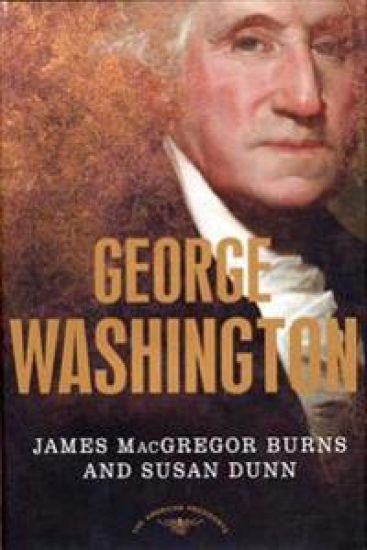
The acclaimed authors of The Three Roosevelts redefine the special qualifications and contributions of America's first president, tracing his accomplishments as a Revolutionary War hero and first citizen of a young republic and explaining how his decisions as president established precedents for the future governing of America. 35,000 first printing.
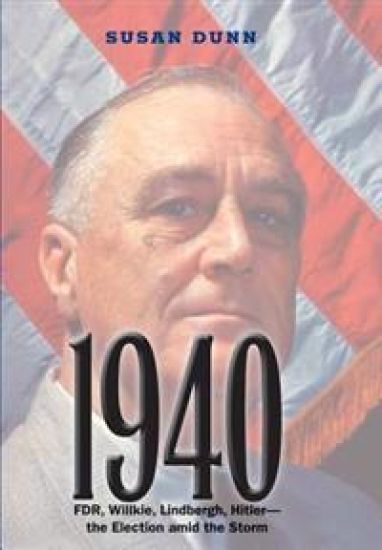
The spellbinding story of the Roosevelt-Willkie election season, when bitterly divided Americans debated the fate of the nation and the world In 1940, against the explosive backdrop of the Nazi onslaught in Europe, two farsighted candidates for the U. S. presidency--Democrat Franklin D. Roosevelt, running for an unprecedented third term, and talented Republican businessman Wendell Willkie--found themselves on the defensive against American isolationists and their charismatic spokesman Charles Lindbergh, who called for surrender to Hitler's demands. In this dramatic account of that turbulent and consequential election, historian Susan Dunn brings to life the debates, the high-powered players, and the dawning awareness of the Nazi threat as the presidential candidates engaged in their own battle for supremacy. 1940 not only explores the contest between FDR and Willkie but also examines the key preparations for war that went forward, even in the midst of that divisive election season. The book tells an inspiring story of the triumph of American democracy in a world reeling from fascist barbarism, and it offers a compelling alternative scenario to today's hyperpartisan political arena, where common ground seems unattainable.
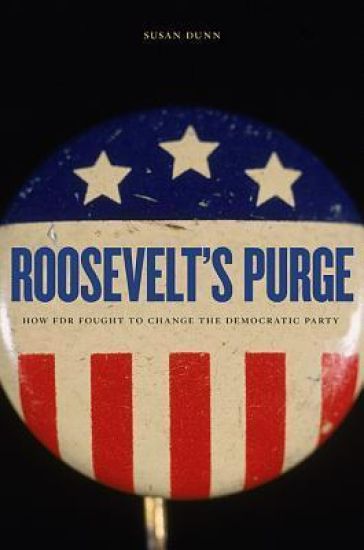
In his first term in office, Franklin Roosevelt helped pull the nation out of the Great Depression with his landmark programs. In November 1936, every state except Maine and Vermont voted enthusiastically for his reelection. But then the political winds shifted. Not only did the Supreme Court block some of his transformational experiments, but he also faced serious opposition within his own party. Conservative Democrats such as Senators Walter George of Georgia and Millard Tydings of Maryland allied themselves with Republicans to vote down New Deal bills. Susan Dunn tells the dramatic story of FDR’s unprecedented battle to drive his foes out of his party by intervening in Democratic primaries and backing liberal challengers to conservative incumbents. Reporters branded his tactic a “purge”—and the inflammatory label stuck. Roosevelt spent the summer months of 1938 campaigning across the country, defending his progressive policies and lashing out at conservatives. Despite his efforts, the Democrats took a beating in the midterm elections. The purge stemmed not only from FDR’s commitment to the New Deal but also from his conviction that the nation needed two responsible political parties, one liberal, the other conservative. Although the purge failed, at great political cost to the president, it heralded the realignment of political parties that would take place in the 1960s, 1970s, and 1980s. By the end of the century, the irreconcilable tensions within the Democratic Party had exploded, and the once solidly Democratic South was solid no more. It had taken sixty years to resolve the tangled problems to which FDR devoted one frantic, memorable summer.
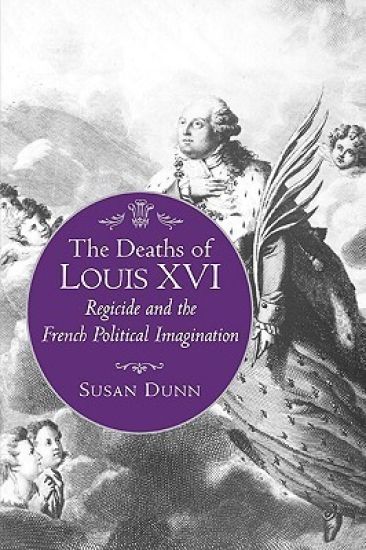
The public beheading of Louis XVI was a unique and troubling event that scarred French collective memory for two centuries. To Jacobins, the king's decapitation was the people's coronation. To royalists, it was deicide. Nineteenth-century historians considered it an alarming miscalculation, a symbol of the Terror and the moral bankruptcy of the Revolution. By the twentieth century, Camus judged that the killing stood at the "crux of our contemporary history." In this book, Susan Dunn investigates the regicide's pivotal role in French intellectual history and political mythology. She examines how thinkers on the right and left repudiated regicide and terror, while articulating a compassionate, humanitarian vision, which became the moral basis for the modern French nation. Their credo of fraternity and unity, however, strangely depoliticized this supremely political act of regicide. Using theoretical insights from Tocqueville, Arendt, Rawls, Walzer, and others, Dunn explores the transformation of violent regicidal politics into an apolitical cult of ethical purity and an antidemocratic nationalist religion. Her book focuses on the fluidity of political myths. The figure of Louis XVI was transmuted into a Joan of Arc and a deified nation, and the notion of his sacrifice contributed to the disquieting myth of a mystical community of self- sacrificing citizens.
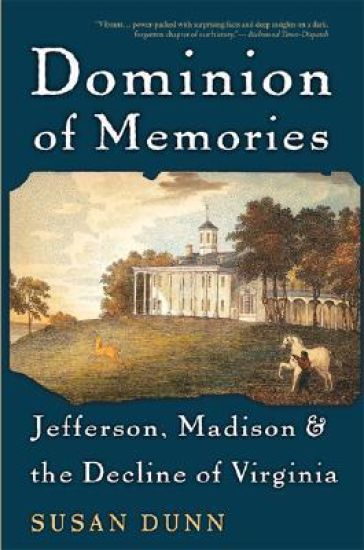
During the Revolutionary Period, and in the early days of the Union, Virginia was the nation's most promising state. It produced a galaxy of America's most important founders and statesmen: Washington, Jefferson, Madison, Monroe, John Marshall, and many others. And yet, by the middle of the nineteenth century, Virginia had become little more than a byword for poverty, slavery, and economic stagnation. The decline was dramatic and startling. What happened? In Dominion of Memories , Susan Dunn chronicles the precipitous decline of America's most promising state. A gloriously written tale of the Founding Fathers and their beloved state, Dominion of Memories offers in microcosm the story of how a nation founded with great hope in the Age of Revolution found itself marching inexorably towards civil war half a century later.
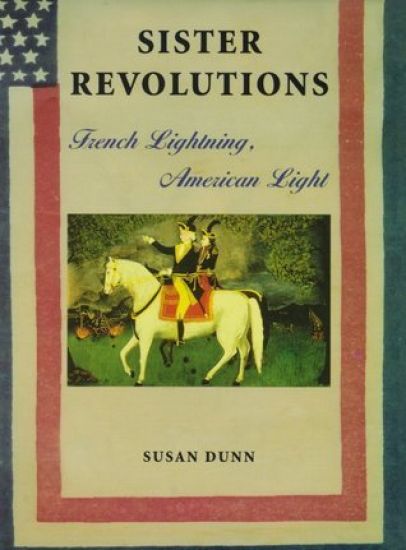
What the two great modern revolutions can teach us about democracy today The American and French revolutions presented the world with two very different visions of democracy. Although both professed similar Enlightenment ideals of freedom, equality, and justice and set similar political agendas, there were also fundamental differences. The French sought a complete break with a thousand years of history; the Americans were content to preserve many aspects of their English heritage. Why did the two revolutions follow such different trajectories? And what lessons do they offer us about democracy today? In lucid narrative style, Dunn captures the personalities and lives of the great figures of both revolutions, and shows how their stories added up to make two very different events.