Kirjojen hintavertailu – 12 903 725 kirjaa ja 27 kauppaa

Kirjailija

Susan Howson

Kirjat ja teokset yhdessä paikassa: 6 kirjaa, julkaisuja vuosilta 1977–2025, suosituimpiin kuuluu James Meade. Vertaile teosten hintoja ja tarkista saatavuus suomalaisista kirjakaupoista.

6 kirjaa

Kirjojen julkaisuvuodet: 1977–2025.

James Meade

James Meade

Susan Howson

Cambridge University Press
2025
sidottu
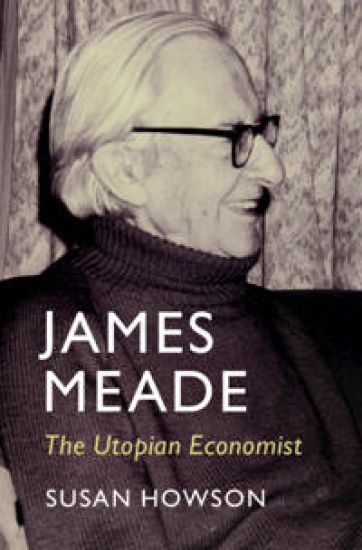
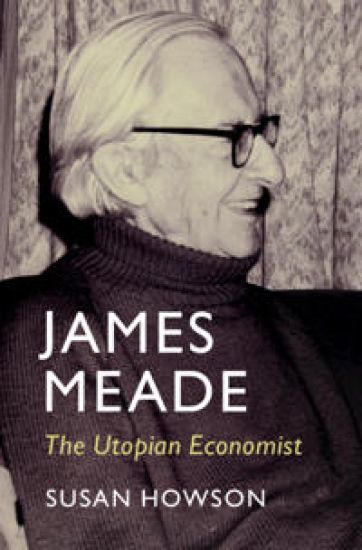
James Meade was a highly influential British economist who made significant contributions to both theoretical economics and economic policy. He was awarded a Nobel Prize for his work on the theory of international economic policy and was one of the first economists to serve in the wartime Economic Section of the Cabinet Offices, becoming Director in 1946. Among his many successes in applying theory to policy are the first official national income accounts, 'Keynesian' employment policies and the General Agreement on Tariffs and Trade. This comprehensive biography of Meade's life and career, based on archival sources, covers both his achievements in theoretical economics and his contributions to the development of British and international economic policy during and after the Second World War. It will be of interest to anyone interested in the history of economics in the twentieth century.
James Meade

James Meade

Susan Howson

Cambridge University Press
2025
pokkari
James Meade was a highly influential British economist who made significant contributions to both theoretical economics and economic policy. He was awarded a Nobel Prize for his work on the theory of international economic policy and was one of the first economists to serve in the wartime Economic Section of the Cabinet Offices, becoming Director in 1946. Among his many successes in applying theory to policy are the first official national income accounts, 'Keynesian' employment policies and the General Agreement on Tariffs and Trade. This comprehensive biography of Meade's life and career, based on archival sources, covers both his achievements in theoretical economics and his contributions to the development of British and international economic policy during and after the Second World War. It will be of interest to anyone interested in the history of economics in the twentieth century.
Lionel Robbins

Lionel Robbins

Susan Howson

Cambridge University Press
2024
pokkari
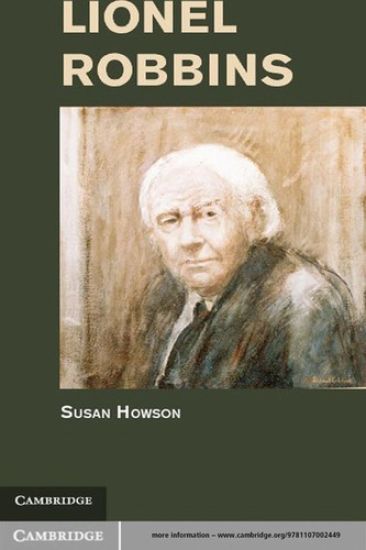
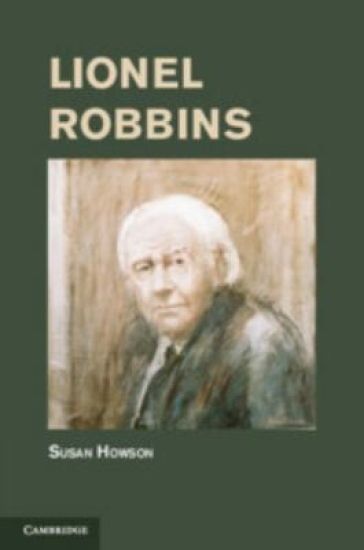
By the time of his death the English economist Lionel Robbins (1898–1984) was celebrated as a 'renaissance man'. He made major contributions to his own academic discipline and applied his skills as an economist not only to practical problems of economic policy – with conspicuous success when he served as head of the economists advising the wartime coalition government of Winston Churchill in 1940–45 – and of higher education – the 'Robbins Report' of 1963 – but also to the administration of the visual and performing arts that he loved deeply. He was devoted to the London School of Economics, from his time as an undergraduate following active service as an artillery officer on the Western Front in 1917–18, through his years as Professor of Economics (1929–62), and his stint as chairman of the governors during the 'troubles' of the late 1960s. This comprehensive biography, based on his personal and professional correspondence and other papers, covers all these many and varied activities.
Lionel Robbins

Lionel Robbins

Susan Howson

Cambridge University Press
2011
sidottu
By the time of his death the English economist Lionel Robbins (1898–1984) was celebrated as a 'renaissance man'. He made major contributions to his own academic discipline and applied his skills as an economist not only to practical problems of economic policy – with conspicuous success when he served as head of the economists advising the wartime coalition government of Winston Churchill in 1940–45 – and of higher education – the 'Robbins Report' of 1963 – but also to the administration of the visual and performing arts that he loved deeply. He was devoted to the London School of Economics, from his time as an undergraduate following active service as an artillery officer on the Western Front in 1917–18, through his years as Professor of Economics (1929–62), and his stint as chairman of the governors during the 'troubles' of the late 1960s. This comprehensive biography, based on his personal and professional correspondence and other papers, covers all these many and varied activities.
The Economic Advisory Council, 1930–1939

The Economic Advisory Council, 1930–1939

Susan Howson; Donald Winch

Cambridge University Press
2008
pokkari
The experience of the Economic Advisory Council provides the relevant policy background to the Keynesian revolution in economic theory, and to the adoption of the principles of economic management in Britain during the Second World War. This study of this pioneering advisory institution against the inter-war setting of depression, financial crisis and recovery is based on government records, supplemented by other contemporary sources. The book deals with the political and economic origins of the E. A. C. in the post-1918 decade; the role of the Council and its committees of inquiry as the world slump began to make an impact on an already depressed British economy; and the part played by individual economic advisers in the dramatic events which led to the fall of the second Labour Government and Britain's departure from the gold standard in 1931. Throughout the nineteenthirties the work of the Council was carried on by the Committee on Economic Information, which helped to provide the National Government with solutions to the complex and novel problems of a post-gold standard world. In addition to assessing the significance of the E. A. C. experiment, the book reprints a number of reports and gives a guide to the relevant documents in the public archives.
The Economic Advisory Council, 1930–1939

The Economic Advisory Council, 1930–1939

Susan Howson; Donald Winch

Cambridge University Press
1977
sidottu
The experience of the Economic Advisory Council provides the relevant policy background to the Keynesian revolution in economic theory, and to the adoption of the principles of economic management in Britain during the second world war. This study of this pioneering advisory institution against the inter-war setting of depression, financial crisis, and recovery is based on recently-released government records, supplemented by other contemporary sources. The book deals with the political and economic origins of the E. A. C. in the post-1918 decade; the role of the Council and its committees of inquiry as the world slump began to make an impact on an already depressed British economy; and the part played by individual economic advisers in the dramatic events which led to the fall of the second Labour Government and Britain’s departure from the gold standard in 1931. Throughout the nineteen-thirties the work of the Council was carried on by the Committee on Economic Information, which helped to provide the National Government with solutions to the complex and novel problems of a post-gold standard world. In addition to assessing the significance of the E. A. C. experiment, the book reprints a number of reports and gives a guide to the relevant documents in the public archives.