

Kirjailija
Susan Robertson
Kirjat ja teokset yhdessä paikassa: 6 kirjaa, julkaisuja vuosilta 2000–2024, suosituimpiin kuuluu Cold as Ice. Vertaile teosten hintoja ja tarkista saatavuus suomalaisista kirjakaupoista.
6 kirjaa
Kirjojen julkaisuvuodet: 2000–2024.
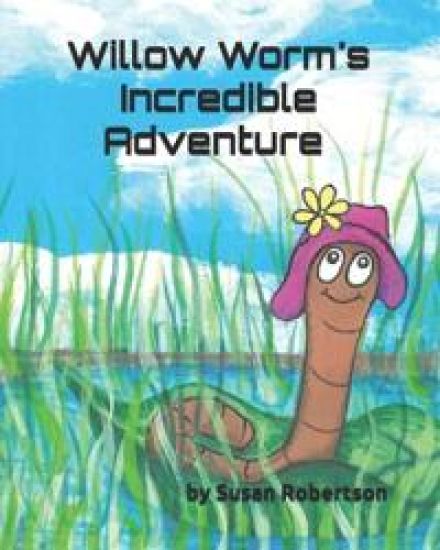
Willow Worm must get out of her hole quickly before she drowns A fierce rainstorm has filled her home with water and she is forced to leave in order to survive. What Willow finds outside the safety of her worm hole is incredible Learn what adventures she had after she ventured out into the world around her.
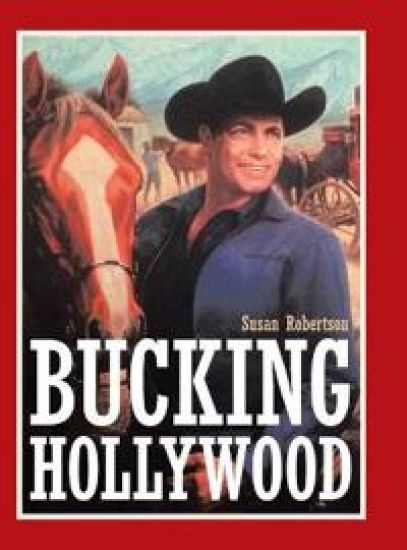
A unique and gifted actor once bucked the system in Hollywood. This is the life story of movie and TV actor Dale Robertson, told by the person who knew him best: his wife, Susan. Susan says she is not a professional writer but wanted to write this book totally herself with her own thoughts, ideas, time frame, and no ghost writer. She laughs when someone says, "Well, you are a writer now." As she states in the book, Dale would joke when someone would approach him to do his autobiography. He'd say, "Not now." It was because he did not know how it ended. Also he would remind them of all the thousands of interviews he had done over the years and to "let the younger actors do these interviews now." Because the autobiography had not been done, Susan wanted to do it to help in some way to preserve his legacy. Susan now resides in San Diego, California, to be closer to family and hopes folks will enjoy the book. She knows her husband better and that he did not compromise himself in the film industry and in life.
Improving Classroom Learning with ICT
Rosamund Sutherland; Susan Robertson; Peter John
Routledge
2008
sidottu
Improving Classroom Learning with ICT examines the ways in which ICT can be used in the classroom to enhance teaching and learning in different settings and across different subjects. Weaving together evidence of teachers’ and learners’ experiences of ICT, the authors: explain why the process of integrating ICT is not straightforward; discuss whether hardware and infrastructure alone are sufficient to ensure full integration and exploitation of ICT investment; emphasise the pivotal role that teachers play in supporting learning with ICT across the curriculum; argue that teachers need a greater understanding of how to put ICT to use in teaching and learning; highlight that out-of-school use of ICT has an impact on in-school learning; consider what kinds of professional development are most effective in supporting teachers to use technologies creatively and productively. Case studies are used to illustrate key issues and to elaborate a range of theoretical ideas that can be used in the classroom. This book will be of interest to all those concerned with maximising the benefits of ICT in the classroom.
Improving Classroom Learning with ICT
Rosamund Sutherland; Susan Robertson; Peter John
Routledge
2008
nidottu
Improving Classroom Learning with ICT examines the ways in which ICT can be used in the classroom to enhance teaching and learning in different settings and across different subjects. Weaving together evidence of teachers’ and learners’ experiences of ICT, the authors: explain why the process of integrating ICT is not straightforward; discuss whether hardware and infrastructure alone are sufficient to ensure full integration and exploitation of ICT investment; emphasise the pivotal role that teachers play in supporting learning with ICT across the curriculum; argue that teachers need a greater understanding of how to put ICT to use in teaching and learning; highlight that out-of-school use of ICT has an impact on in-school learning; consider what kinds of professional development are most effective in supporting teachers to use technologies creatively and productively. Case studies are used to illustrate key issues and to elaborate a range of theoretical ideas that can be used in the classroom. This book will be of interest to all those concerned with maximising the benefits of ICT in the classroom.
This book offers an original and challenging theoretical and empirical approach to mapping the changing nature of teachers' work historically and in the contemporary period. It is an attempt to understand how and in what ways teachers' work has changed following the demise of the post-war settlement and the imminent collapse of teachers' project of professionalism secured through solidaristic strategies such as unionism. Dr. Robertson argues that in order to understand these issues, a more rigorous set of conceptual tools around social class, occupational power and worker control is needed. The first two sections of the book set out to address that problem. The final section elaborates on the changing contexts and conditions for contemporary teachers more generally, and argues that structural and ideological changes within educational provision have led to differing capacities in the realization of class assets.