Kirjojen hintavertailu – 12 859 819 kirjaa ja 27 kauppaa

Kirjailija

Susan Wiesinger

Kirjat ja teokset yhdessä paikassa: 4 kirjaa, julkaisuja vuosilta 2013–2023, suosituimpiin kuuluu Digital Literacy. Vertaile teosten hintoja ja tarkista saatavuus suomalaisista kirjakaupoista.

4 kirjaa

Kirjojen julkaisuvuodet: 2013–2023.

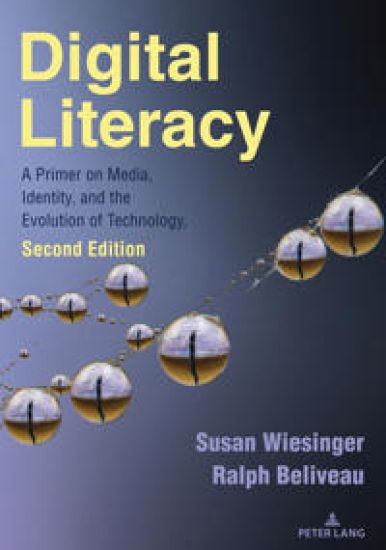
Digital Literacy

Digital Literacy

Susan Wiesinger; Ralph Beliveau

PETER LANG PUBLISHING INC
2023
nidottu
The second edition of Digital Literacy provides a highly focused exploration of key critical concepts in understanding digital media in a clear, engaging, and accessible way for an introductory audience. This updated edition explores a variety of approaches to digital literacy, including prescient work by media theorists, the historical influences of legacy media, the contemporary transformations of the digital environment, and the way our communication ecology is constructed. The book argues for an understanding of the changes in traditional media, the rise of Big Tech, and the challenges these pose to privacy and to democratic ideals. Important themes explored in chapters across the book include digital identity, the internet as infrastructure, the web as a collaborative tool, and domestic and global digital divides. The new edition also explores digital literacy and the pandemic, as well as the growing body of research around the effects and impact of the digital technologies we use every day. Also included are useful Applied Skills Appendices outlining core areas of digital practice. The text is an ideal resource for students and scholars of mass communication, media literacy, digital information literacy, and digital technology courses, as well as for all those wanting to know more about the deep on-going impact of communication technologies on our lives.
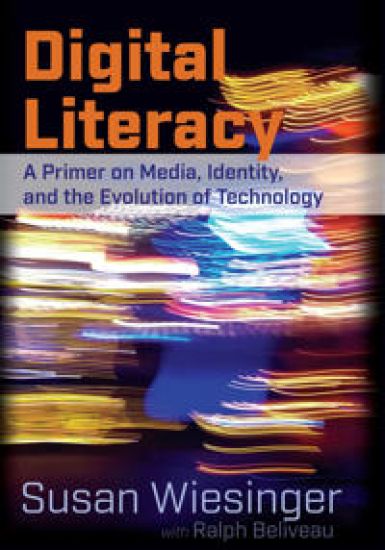
Digital Literacy

Digital Literacy

Susan Wiesinger; Ralph Beliveau

Peter Lang Publishing Inc
2016
nidottu
The Internet, World Wide Web, and digital devices have fundamentally changed the way people communicate, affecting everything from business, to school, to family, to religion, to democracy. This textbook takes a well-rounded view of the evolution from media literacy to digital literacy to help students better understand the digitally filtered world in which they live. The text explores digital literacy through three lenses: • Historical: reviews snapshots of time and space to delineate how things were in order to lend context to how they are; • Cultural: explores how values and ideals are constructed and conveyed within a given cultural context – how humans absorb and share the informal rules and norms that make up a society; • Critical: illuminates how social changes – particularly rapid ones – can put certain people at a disadvantage. All three angles are helpful for better understanding the myriad ways in which our identities and relationships are being altered by technology, and what it means to be a citizen in a society that has become individualized and is in constant flux. Written in a conversational and approachable style, the text is easy to navigate, with short chapters, short paragraphs, and bullet points. Comics and images illustrate complex topics and add visual interest. The text is ideal for media literacy, digital information literacy, and technology courses that seek to integrate human impact into the mix. It is also a good starting point for anyone wanting to know more about the impact of communication technologies on our lives.
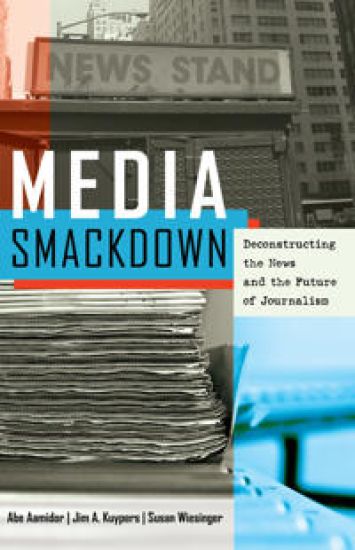
Media Smackdown

Media Smackdown

Abe Aamidor; Jim A. Kuypers; Susan Wiesinger

Peter Lang Publishing Inc
2013
sidottu
Journalism is in crisis. The rise of the internet through social media and citizen journalism and the financial crisis of 2008 have taken their toll. Thousands of reporters and editors have been laid off; nightly news on the major networks is losing close to one million viewers a year; newspapers have seen declining ad revenues and circulation figures cut in half; and the old business model for newspapers based on advertising and subscriptions appears to be collapsing. Filling the void is commentary, punditry, and even bigotry. It may have an audience, but it’s not journalism in the professional sense: a commitment to objectivity and a separation of news and opinion. At this important juncture in the evolution of journalism, Media Smackdown takes a close look at the history of the news media in America in order to address the historical, legal, economic, theoretical, and political issues that affect the practice as well as the changing face and future of journalism.
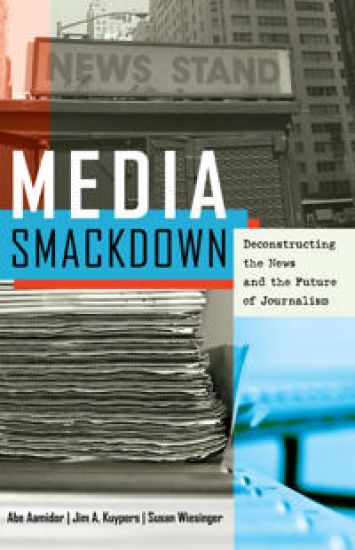
Media Smackdown

Media Smackdown

Abe Aamidor; Jim A. Kuypers; Susan Wiesinger

Peter Lang Publishing Inc
2013
nidottu
Journalism is in crisis. The rise of the internet through social media and citizen journalism and the financial crisis of 2008 have taken their toll. Thousands of reporters and editors have been laid off; nightly news on the major networks is losing close to one million viewers a year; newspapers have seen declining ad revenues and circulation figures cut in half; and the old business model for newspapers based on advertising and subscriptions appears to be collapsing. Filling the void is commentary, punditry, and even bigotry. It may have an audience, but it’s not journalism in the professional sense: a commitment to objectivity and a separation of news and opinion. At this important juncture in the evolution of journalism, Media Smackdown takes a close look at the history of the news media in America in order to address the historical, legal, economic, theoretical, and political issues that affect the practice as well as the changing face and future of journalism.