Kirjojen hintavertailu – 12 873 756 kirjaa ja 26 kauppaa

Kirjailija

Susanna Király

Kirjat ja teokset yhdessä paikassa: 15 kirjaa, julkaisuja vuosilta 2014–2021, suosituimpiin kuuluu 35 lasten laulupeliä. Vertaile teosten hintoja ja tarkista saatavuus suomalaisista kirjakaupoista.

15 kirjaa

Kirjojen julkaisuvuodet: 2014–2021.

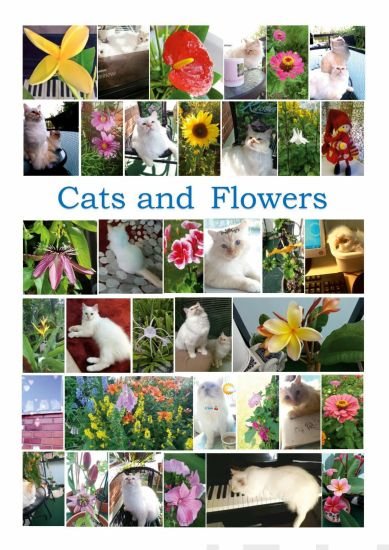
Cats and Flowers

Cats and Flowers

Susanna Király

Books on Demand
2021
pokkari
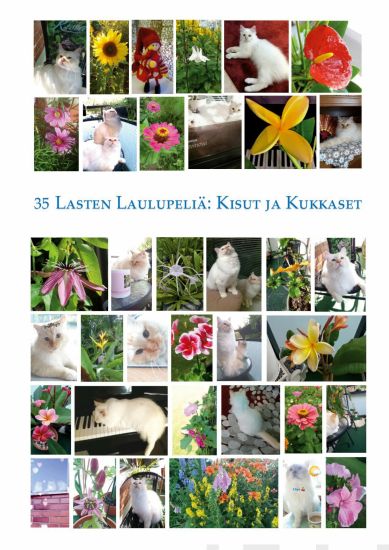
"Cats and Flowers" book is the first part of SolfaNet Web material, which is the English version of the originally Finnish Prima Vista series. The preparatory material includes a 35 Ear training tasks. These tasks are Finnish and Hungarian children's songs, and they are suitable for beginners who want to learn to read and write music. Task pages are at the beginning of the book and in the second part are the answer pages. That's why the book is well suited for both the classroom and for self-study. To each song belongs a game and free Web pages. SolfaNet is a natural way to learn the music to write and read, according to the Kod ly method. Task is to write the missing notes to the exercise paper. Audio files are in MP3 form.
Solfeggio I

Solfeggio I

Susanna Király

Books on Demand
2016
pokkari
Many students find music theory and ear-training difficult. During the 1990s, in connection with my licentiate thesis "Solfège in the Computer Classroom" (2000), I initiated a research project which focused on learning outcomes in middle-grade and higher-level classes, and started to develop a CAI method for teaching and learning music theory and ear-training. In his essay in 1949, Zoltán Kodály drafted his ideas very clearly on the importance of music. A következo lépés [The next step] is "... to introduce people to the secrets of the many parts of music, to pave the way towards the monumental works of world literature. To move away from the narrow limits of unison to music of two or more parts which in its restrictions holds more freedom. This is the way of democracy in music! --- Unison song with a simple instrumental accompaniment also develops some passive and obscure, almost subconscious, sense of harmony. But our ear can only completely receive the polyphonic music if we learn to sing one part without instrumental accompaniment so that we can concentrate on the other parts. In this way we can seek to understand that type of music, where the parts are not living by themselves alone, but by helping and complementing each other, they create a unit of a higher level. This ability develops slowly, but practicing it is not boring, in fact it is delightful, since this journey leads towards the great masterpieces through more and more beautiful music. (Kodály 1975 [1949]: 253 Translated: Kirsti Fekete.)

PRiMA ViSTA 3b

PRiMA ViSTA 3b

Susanna Király

Books on Demand
2016
pokkari
Musiikin opetuksessa tietokoneavusteisten opetusmenetelmien kehittäminen on uusi ja kehittyvä toimiala. Soitinopetukseen varsinkin etäopiskelua varten on kehitetty vielä pitempään opetusohjelmia ja - menetelmiä. Tällaiset opetusmenetelmät tarjoavat myös uusia oppimisen tapoja erilaisille oppijoille ja voivat parantaa tuntuvasti motivaatiota opiskella musiikinteoriaa ja säveltapailua. Tulokset osoittavat kuitenkin myös selkeästi sen, että opettaja/oppilas vuorovaikutussuhde on keskeinen tarve myös tietokoneavusteista opetusmenetelmää käytettäessä. Prima Vista sarjaa voi tietokoneella ja verkkomateriaalien avulla harjoitella Länsi-Uudenmaan musiikkiopiston sivuilta (http://virtual.lumo.org/ Prima Vista Suomeksi/), mistä kaikki tehtävät löytyvät. Tehtäväsivut avautuvat vain, jos omalla koneella on Encore musiikkiohjelma. Ilmaisen Encore musiikkiohjelman demo-version voi ladata Internetistä osoitteesta www.gvox.com. Kaikki sanelutehtävät soivat mutta eivät näy. Susanna Kiraly on kehittänyt kuusi-osaisen Prima Vista oppikirja-sarjan Länsi- Uudenmaan musiikkiopiston musiikinteorian lehtorina ollessaan ja teki aiheesta myös väitöskirjan Helsingin yliopistossa keväällä 2012. (Computer-aided Ear-training: A Contemporary Approach to Kodaly's Music Educational Philosophy).
PRiMA ViSTA 2b

PRiMA ViSTA 2b

Susanna Király

Books on Demand
2016
pokkari
Musiikin opetuksessa tietokoneavusteisten opetusmenetelmien kehittäminen on uusi ja kehittyvä toimiala. Soitinopetukseen varsinkin etäopiskelua varten on kehitetty vielä pitempään opetusohjelmia ja - menetelmiä. Tällaiset opetusmenetelmät tarjoavat myös uusia oppimisen tapoja erilaisille oppijoille ja voivat parantaa tuntuvasti motivaatiota opiskella musiikinteoriaa ja säveltapailua. Tulokset osoittavat kuitenkin myös selkeästi sen, että opettaja/oppilas vuorovaikutussuhde on keskeinen tarve myös tietokoneavusteista opetusmenetelmää käytettäessä. Prima Vista sarjaa voi tietokoneella ja verkkomateriaalien avulla harjoitella Länsi-Uudenmaan musiikkiopiston sivuilta (http://virtual.lumo.org/ Prima Vista Suomeksi/), mistä kaikki tehtävät löytyvät. Tehtäväsivut avautuvat vain, jos omalla koneella on Encore musiikkiohjelma. Ilmaisen Encore musiikkiohjelman demo-version voi ladata Internetistä osoitteesta www.gvox.com. Kaikki sanelutehtävät soivat mutta eivät näy. Susanna Kiraly on kehittänyt kuusi-osaisen Prima Vista oppikirja-sarjan Länsi- Uudenmaan musiikkiopiston musiikinteorian lehtorina ollessaan ja teki aiheesta myös väitöskirjan Helsingin yliopistossa keväällä 2012. (Computer-aided Ear-training: A Contemporary Approach to Kodaly's Music Educational Philosophy).
PRiMA ViSTA 1b

PRiMA ViSTA 1b

Susanna Király

Books on Demand
2016
pokkari
Musiikin opetuksessa tietokoneavusteisten opetusmenetelmien kehittäminen on uusi ja kehittyvä toimiala. Soitinopetukseen varsinkin etäopiskelua varten on kehitetty vielä pitempään opetusohjelmia ja - menetelmiä. Tällaiset opetusmenetelmät tarjoavat myös uusia oppimisen tapoja erilaisille oppijoille ja voivat parantaa tuntuvasti motivaatiota opiskella musiikinteoriaa ja säveltapailua. Tulokset osoittavat kuitenkin myös selkeästi sen, että opettaja/oppilas vuorovaikutussuhde on keskeinen tarve myös tietokoneavusteista opetusmenetelmää käytettäessä. Prima Vista sarjaa voi tietokoneella ja verkkomateriaalien avulla harjoitella Länsi-Uudenmaan musiikkiopiston sivuilta (http://virtual.lumo.org/ Prima Vista Suomeksi/), mistä kaikki tehtävät löytyvät. Tehtäväsivut avautuvat vain, jos omalla koneella on Encore musiikkiohjelma. Ilmaisen Encore musiikkiohjelman demo-version voi ladata Internetistä osoitteesta www.gvox.com. Kaikki sanelutehtävät soivat mutta eivät näy. Susanna Kiraly on kehittänyt kuusi-osaisen Prima Vista oppikirja-sarjan Länsi- Uudenmaan musiikkiopiston musiikinteorian lehtorina ollessaan ja teki aiheesta myös väitöskirjan Helsingin yliopistossa keväällä 2012. (Computer-aided Ear-training: A Contemporary Approach to Kodaly's Music Educational Philosophy).
PRiMA ViSTA 3a

PRiMA ViSTA 3a

Susanna Király

Books on Demand
2016
pokkari
Musiikin opetuksessa tietokoneavusteisten opetusmenetelmien kehittäminen on uusi ja kehittyvä toimiala. Soitinopetukseen varsinkin etäopiskelua varten on kehitetty vielä pitempään opetusohjelmia ja - menetelmiä. Tällaiset opetusmenetelmät tarjoavat myös uusia oppimisen tapoja erilaisille oppijoille ja voivat parantaa tuntuvasti motivaatiota opiskella musiikinteoriaa ja säveltapailua. Tulokset osoittavat kuitenkin myös selkeästi sen, että opettaja/oppilas vuorovaikutussuhde on keskeinen tarve myös tietokoneavusteista opetusmenetelmää käytettäessä. Prima Vista sarjaa voi tietokoneella ja verkkomateriaalien avulla harjoitella Länsi-Uudenmaan musiikkiopiston sivuilta (http://virtual.lumo.org/ Prima Vista Suomeksi/), mistä kaikki tehtävät löytyvät. Tehtäväsivut avautuvat vain, jos omalla koneella on Encore musiikkiohjelma. Ilmaisen Encore musiikkiohjelman demo-version voi ladata Internetistä osoitteesta www.gvox.com. Kaikki sanelutehtävät soivat mutta eivät näy. Susanna Kiraly on kehittänyt kuusi-osaisen Prima Vista oppikirja-sarjan Länsi- Uudenmaan musiikkiopiston musiikinteorian lehtorina ollessaan ja teki aiheesta myös väitöskirjan Helsingin yliopistossa keväällä 2012. (Computer-aided Ear-training: A Contemporary Approach to Kodaly's Music Educational Philosophy).
PRiMA ViSTA 2a

PRiMA ViSTA 2a

Susanna Király

Books on Demand
2016
pokkari
Musiikin opetuksessa tietokoneavusteisten opetusmenetelmien kehittäminen on uusi ja kehittyvä toimiala. Soitinopetukseen varsinkin etäopiskelua varten on kehitetty vielä pitempään opetusohjelmia ja - menetelmiä. Tällaiset opetusmenetelmät tarjoavat myös uusia oppimisen tapoja erilaisille oppijoille ja voivat parantaa tuntuvasti motivaatiota opiskella musiikinteoriaa ja säveltapailua. Tulokset osoittavat kuitenkin myös selkeästi sen, että opettaja/oppilas vuorovaikutussuhde on keskeinen tarve myös tietokoneavusteista opetusmenetelmää käytettäessä. Prima Vista sarjaa voi tietokoneella ja verkkomateriaalien avulla harjoitella Länsi-Uudenmaan musiikkiopiston sivuilta (http://virtual.lumo.org/ Prima Vista Suomeksi/), mistä kaikki tehtävät löytyvät. Tehtäväsivut avautuvat vain, jos omalla koneella on Encore musiikkiohjelma. Ilmaisen Encore musiikkiohjelman demo-version voi ladata Internetistä osoitteesta www.gvox.com. Kaikki sanelutehtävät soivat mutta eivät näy. Susanna Kiraly on kehittänyt kuusi-osaisen Prima Vista oppikirja-sarjan Länsi- Uudenmaan musiikkiopiston musiikinteorian lehtorina ollessaan ja teki aiheesta myös väitöskirjan Helsingin yliopistossa keväällä 2012. (Computer-aided Ear-training: A Contemporary Approach to Kodaly's Music Educational Philosophy).
Computer-aided Ear-training

Computer-aided Ear-training

Susanna Király

Books on Demand
2016
pokkari
My doctoral thesis has involved two related tasks. The first was to analyse Zoltán Kodály's philosophy of music education and, on this basis, to develop a computer-assisted instruction method (CAI) for teaching music theory and solfège (ear-training). The second task was to experiment with the effectiveness of this method and compare it with traditional approaches to teaching. Many student find music theory and ear training difficult. During the 1990s, in connection with my licentiate thesis “Solfège in the Computer Classroom" (2000), I initiated this research project, and developed a CAI method for teaching music theory and solfège. I wanted to see just how useful Kodály's approach could be in computer-aided teaching and learning. The results show that the Kodály approach can be successfully applied to the development of a computer-aided solfège programme and the Kodály system is applicable to new learning environments and teaching practices. In music education CAI is an area with great potential for development. It offers multiple learning options and can enhance students' motivation to study music theory and ear-training; some of the learning outcomes were even better than with the traditional ways of learning. The results also show, however, that the teacher-pupil interaction is essential in a computer-aided learning programme.
Prima Vista 1a

Prima Vista 1a

Susanna Király

BoD - Books on Demand
2016
nidottu
Musiikin opetuksessa tietokoneavusteisten opetusmenetelmien kehittäminen on uusi ja kehittyvä toimiala. Soitinopetukseen varsinkin etäopiskelua varten on kehitetty vielä pitempään opetusohjelmia ja - menetelmiä. Tällaiset opetusmenetelmät tarjoavat myös uusia oppimisen tapoja erilaisille oppijoille ja voivat parantaa tuntuvasti motivaatiota opiskella musiikinteoriaa ja säveltapailua. Tulokset osoittavat kuitenkin myös selkeästi sen, että opettaja/oppilas vuorovaikutussuhde on keskeinen tarve myös tietokoneavusteista opetusmenetelmää käytettäessä. Prima Vista sarjaa voi tietokoneella ja verkkomateriaalien avulla harjoitella Länsi-Uudenmaan musiikkiopiston sivuilta (http://virtual.lumo.org/ Prima Vista Suomeksi/), mistä kaikki tehtävät löytyvät. Tehtäväsivut avautuvat vain, jos omalla koneella on Encore musiikkiohjelma. Ilmaisen Encore musiikkiohjelman demo-version voi ladata Internetistä osoitteesta www.gvox.com. Kaikki sanelutehtävät soivat mutta eivät näy. Susanna Kiraly on kehittänyt kuusi-osaisen Prima Vista oppikirja-sarjan Länsi- Uudenmaan musiikkiopiston musiikinteorian lehtorina ollessaan ja teki aiheesta myös väitöskirjan Helsingin yliopistossa keväällä 2012. (Computer-aided Ear-training: A Contemporary Approach to Kodaly's Music Educational Philosophy).
Tuneful Music Theory I

Tuneful Music Theory I

Susanna Király

BoD - Books on Demand
2016
kierre
According to Zoltán Kodály (1911) the goal is not impart concepts and knowledge, but first of all, training: "The only authentic aim of music theory teaching and learning is not to make known concepts and knowledge, but first of all training. We must help our pupils to learn sight-reading from notes and to be able to notate the music they hear in every way. Theory and analysis are good only in as much as they are necessary in the execution of the practical work." (Eosze 1977: 52.)This Kodályian idea of music theory instruction is the model for Susanna Király's “tuneful music theory teaching programme”. Practically speaking, this means that in the middle level music theory lesson, first we sing or play together the analysis task as a choir or orchestra. The next step is a general musical analysis of the actual masterpiece. The teacher's verbal explanation in teaching a new issue is needed only insofar as it is required by the musical score.
Solfeggio 1

Solfeggio 1

Susanna Király

Books on Demand
2014
pokkari
Originally I wrote the Solfeggio series for students of Sibelius Academy. Today we know that this learning and teaching programme is suitable for anybody interested in developing his or her musical capacity. To use Solfeggio 1 you will need the exercise book with answers and a CD. The exercise book you can use traditionally, you may complete the e melody, do musical analysis and so on. As to the CD you need to listen to the whole score. It was recorded by the "Larte" Choir and the Chamber Orchestra of the L nsi-Uudenmaan musiikkiopisto the West Regional Music Institute] in Lohja. CD tracks you can find free at the LUMO web pages. Open at virtual.lumo.org/Solfeggio1. Login as a guest without username or password. Welcome to enjoyable trip to find the secrets of Renaissance, to complete a brilliant Bach Choral or recognize the musical functions of a Viennese classical masterpiece.
Valmennus 1a

Valmennus 1a

Susanna Király

BoD - Books on Demand
2014
nidottu
Zoltan Kodalyn musiikkikasvatusfilosofian periaatteisiin kuului ajatus siitä, että jokaisella lapsella tulisi olla oikeus ja mahdollisuus musiikin kielen oppimiseen ja tämän oppimisen tulisi tapahtua lapselle luonnollisella ja helpolla toimintatavalla. Susanna Kiralyn tavoitteena on ollut kehittää tietokoneavusteinen Kodalyn ajatuksiin pohjautuva opetusmenetelmä musiikin teorian ja säveltapailun perustason oppimiseksi hyvin ja tehokkaasti. Susanna Kiraly on kehittänyt kuusi-osaisen Prima Vista oppikirja-sarjan ja teki aiheesta myös väitöskirjan Helsingin yliopistossa keväällä 2012. (Computer-aided Ear-training: A Contemporary Approach to Kodaly's Music Educational Philosophy).'Valmennus 1a' kirja on Prima Vista sarjan valmentava materiaali ja se sisältää 35 säveltapailun tehtäväosiota. Tehtävät ovat suomalaiset ja unkarilaiset lastenlaulut ja sopivat aloittelijoille, jotka haluavat oppia lukemaan ja kirjoittamaan nuotteja. Kirjan alussa ovat tehtäväsivut ja toisessa osassa ovat vastaussivut. Siksi kirja sopii hyvin sekä luokkaopetukseen että omatoimiseen opiskeluun. Jokaisen lastenlaulun kuuluu leikki tai peli. Zoltan Kodaly philosophy of music education principles was the idea that every child should have the right and the opportunity to learn the language of music, and this learning should take place a child in a natural and easy way of working. Susanna Kiraly's aim was to develop a method for music theory and ear training learning the basic level well and efficiently according to the Kodaly method. Kiraly has developed a six-part Prima Vista textbook series and was on the doctoral dissertation at the University of Helsinki in the spring of 2012. (Computer-aided Ear-training: A Contemporary Approach to Kodaly's Music Educational Philosophy).‘Valmennus 1a' book is the preparatory material of Prima Vista series and includes a 35 ear training tasks. These tasks are Finnish and Hungarian children's songs, and they are suitable for beginners who want to learn to read and write music. Task pages are at the beginning of the book and in the second part are the answer pages. That's why the book is well suited for both the classroom and for self-study. To each song belongs a game.
Soiva musiikin teorian I opetusohjelma

Soiva musiikin teorian I opetusohjelma

Susanna Király

BoD - Books on Demand
2014
nidottu
Many students find music theory and ear-training difficult. During the 1990s, in connection with my licentiate thesis "Solfege in the Computer Classroom" (2000), I initiated a research project which focused on learning outcomes in middle-grade and higher-level classes, and started to develop a CAI method for teaching and learning music theory and ear-training. According to Zoltan Kodaly (1911) the goal is not impart concepts and knowledge, but first of all, training: "The only authentic aim of music theory teaching and learning is not to make known concepts and knowledge, but first of all training. We must help our pupils to learn sight-reading from notes and to be able to notate the music they hear in every way. Theory and analysis are good only in as much as they are necessary in the execution of the practical work."
Soiva musiikin teorian I  - Opettajan kirja

Soiva musiikin teorian I - Opettajan kirja

Susanna Király

BoD - Books on Demand
2014
nidottu
Many students find music theory and ear-training difficult. During the 1990s, in connection with my licentiate thesis "Solfege in the Computer Classroom" (2000), I initiated a research project which focused on learning outcomes in middle-grade and higher-level classes, and started to develop a CAI method for teaching and learning music theory and ear-training. According to Zoltan Kodaly (1911) the goal is not impart concepts and knowledge, but first of all, training: "The only authentic aim of music theory teaching and learning is not to make known concepts and knowledge, but first of all training. We must help our pupils to learn sight-reading from notes and to be able to notate the music they hear in every way. Theory and analysis are good only in as much as they are necessary in the execution of the practical work." This Kodalyian idea of music theory instruction is the model for Susanna Kiraly's “tuneful music theory teaching programme”. Practically speaking, this means that in the middle level music theory lesson, first we sing or play together the analysis task as a choir or orchestra. The next step is a general musical analysis of the actual masterpiece. The teacher's verbal explanation in teaching a new issue is needed only insofar as it is required by the musical score.