Kirjojen hintavertailu – 12 859 829 kirjaa ja 27 kauppaa
Kirjailija
Sushma Sharma
Kirjat ja teokset yhdessä paikassa: 6 kirjaa, julkaisuja vuosilta 2011–2025, suosituimpiin kuuluu Come, walk with me in mud. Vertaile teosten hintoja ja tarkista saatavuus suomalaisista kirjakaupoista.
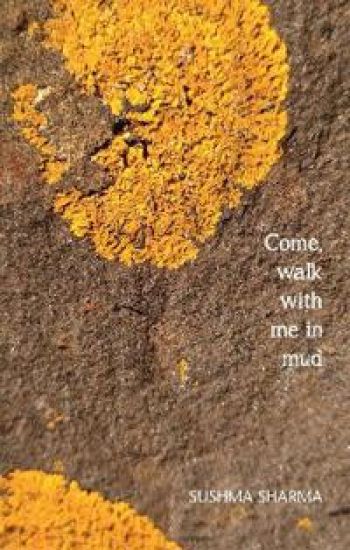
Life is beautifully messy. Come, walk with me in mud is an invitation to embrace imperfection and rediscover joy. Through poetic reflections, Sushma Sharma explores trust, vulnerability, and the courage to live authentically. Step into the mud, you may uncover wholeness, connection, and the freedom to truly be." Dr. Mosongo Moukwa, President, Hathaway Advanced Materials Inc.
Board Matters by Sushma Sharma thoroughly explores Corporate Governance, offering actionable insights for directors, aspiring directors, and C-suite executives. Drawing from her extensive research, experience, and real-world case studies, Sharma covers critical aspects of governance, from foundational principles to advanced risk and crisis management strategies. The book emphasizes board responsibilities, including adequate training, enhancing the relationship between board members and the CEO, and fostering productive interactions with C-suite leaders. Sharma also delves into contemporary workforce dynamics, addressing the challenges posed by intergenerational and international teams and offering practical solutions. Central to Board Matters is the importance of diversity, equity, and inclusion (DEI) and building constructive stakeholder relationships. Sharma's work is a timely, indispensable guide for leaders seeking to implement best practices in Corporate Governance.
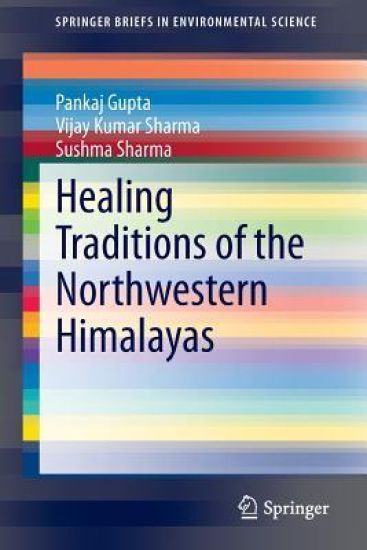
This book discusses the perception of disease, healing concepts and the evolution of traditional systems of healing in the Himalayas of Himachal Pradesh, India. The chapters cover a diverse range issues: people and knowledge systems, healing in ancient scriptures, concept of sacredness and faith healing, food as medicament, presumptions about disease, ethno-botanical aspects of medicinal plants, collection and processing of herbs, traditional therapeutic procedures, indigenous Materia medica, etc. The book also discusses the diverse therapeutic procedures followed by Himalayan healers and their significance in the socio-cultural life of Himalayan societies. The World Health Organization defines traditional medicine as wisdom, skills, and practices based on theories, beliefs, and experiences indigenous to different cultures, used in the prevention, diagnosis, improvement or treatment of physical and mental illness and maintenance of health. In some Asian and African countries, 80% of the population depends on traditional medicine for primary health care. However, the knowledge of these conventional healing techniques and traditions associated with conveying this knowledge are slowly disappearing. The authors highlight the importance of safeguarding this indigenous knowledge in the cultural milieu of the Himachal Himalayas. This book will be an important resource for researchers in medical anthropology, biology, ethno-biology, ecology, community health, health behavior, psychotherapy, and Himalayan studies.