Kirjojen hintavertailu – 12 903 725 kirjaa ja 27 kauppaa

Kirjailija

Suzan Collins

Kirjat ja teokset yhdessä paikassa: 14 kirjaa, julkaisuja vuosilta 1992–2018, suosituimpiin kuuluu Working Towards Independence. Vertaile teosten hintoja ja tarkista saatavuus suomalaisista kirjakaupoista.

14 kirjaa

Kirjojen julkaisuvuodet: 1992–2018.

Chatty Cat: Autumn into Winter

Chatty Cat: Autumn into Winter

Suzan Collins

East Anglian Press
2018
nidottu
Chatty, your favourite cat, is back. As the seasons pass from autumn to winter, she finds that life brings surprises, and not all happy ones, but with the help of her hooman, Jade, and her furry and feathered friends, she discovers that with love and a full stomach, anything is possible. She has always been independent, and full of questions and curiosity, and when Jade tells her about a tiny stray who needs a loving home, Chatty's big heart overcomes any reluctance she might have to share her home as she welcomes Izzy and shows her what to do. Chatty's new story might make you cry a little, and it will certainly make you smile, as she wonders about the strange habits of hoomans in winter, and discovers that helping others makes us feel as good as helping ourselves, whether we're hooman or feline.

Chatty Cat: Activity Book

Chatty Cat: Activity Book

Suzan Collins

East Anglian Press
2016
nidottu
Chatty Cat's new book is full of fun-filled things for you to do, and is based on the bestselling series. There are pages of activities, including colouring and spot the difference, featuring many of the characters from the previous books. Gather your pens and pencils and have a great time with Chatty Cat and her friends.
Chatty Cat: My Purr-Fect Friends

Chatty Cat: My Purr-Fect Friends

Suzan Collins

East Anglian Press
2016
nidottu
Chatty Cat, the funny, sulky and occasionallywise rescue cat is back for the third time, and has lots to say for herself She is very well settled in her new home and hastrained her she-hooman, Jade, to provide nearlyeverything she needs. Jade still has a few badhabits, though, which Chatty needs to sort out. In this third Chatty Cat book, you will findout how she makes new friends, goes on freshadventures and discovers more about thefascinating world she inhabits. Learn more aboutChatty's life, likes and dislikes, and what to dowhen your hooman is stealing from you . . This book was a FINALIST for the PEOPLE'S BOOK PRIZE 2016.
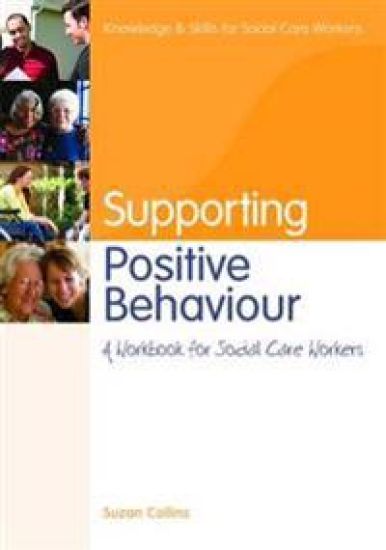
Supporting Positive Behaviour

Supporting Positive Behaviour

Suzan Collins

Jessica Kingsley Publishers
2010
pokkari
Communication problems, frustration and boredom can manifest themselves in physical outbursts, and working in a residential or domiciliary setting can involve responding to challenging behaviour towards staff and other residents. Supporting Positive Behaviour examines the underlying reasons for the behaviour, ways to spot challenges before they occur and strategies to minimise or prevent incidents. This interactive workbook will help staff to understand appropriate interventions, how to monitor and record challenging behaviour, and implement strategies that will reduce the behaviours over time. The book is appropriate for all staff supporting people with mental health needs, people with a learning or physical disability, older people and people with dementia. This workbook is a valuable source of guidance for any social care worker keen to improve their practice, and represents a cost-effective way for managers or trainers in residential and domiciliary settings to train staff.
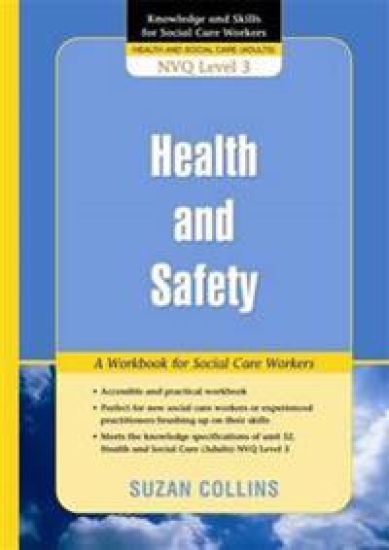
Health and Safety

Health and Safety

Suzan Collins

Jessica Kingsley Publishers
2009
pokkari
Those working in residential or domiciliary settings have a responsibility to maintain a clean, safe and secure work environment. Health and Safety provides guidance on the responsibilities and risk assessments involved, covering subjects such as first aid, safety in the kitchen, infection control, safe handling of adults, issues surrounding medication, how to react in an emergency and how to respond to challenging behaviour. The workbook meets the requirements of care standards and promotes best practice by enabling staff to gain the knowledge needed to meet health and safety standards. Designed to meet the requirements of Health and Social Care (Adults) NVQ Level 3, Unit 32, this workbook is also a valuable source of guidance for any social care worker wanting to improve their knowledge.
Reflecting On and Developing Your Practice

Reflecting On and Developing Your Practice

Suzan Collins

Jessica Kingsley Publishers
2009
pokkari
Working in residential or domiciliary settings involves a continuing process of learning. Every day, social care workers face challenges that force them to think about what they do and how they do it – whether it be an ethical dilemma, the introduction of a new policy or procedure or training on a specific subject. Reflecting On and Developing Your Practice is an accessible, interactive workbook providing social care workers with guidance on how to improve your knowledge through training and development. It advises how to keep up to date with the latest developments, but also how to reflect and improve upon your own practice. It also provides information about different approaches to learning and how to draw on your experience when working in new and unfamiliar situations. Designed to meet the requirements of Health and Social Care (Adults) NVQ Level 3, Unit 33, this workbook is also a valuable source of guidance for any social care worker wanting and needing to develop their work.
Safeguarding Adults

Safeguarding Adults

Suzan Collins

Jessica Kingsley Publishers
2009
pokkari
Working in residential or domiciliary settings involves a responsibility to safeguard adults from harm and abuse. This workbook will provide staff and relatives with the ability to make sensible choices concerning prevention and protection, as well as responding to and reporting concerns. Safeguarding Adults examines the different forms of abuse, where abuse can take place and how and where to report the suspected abuse. The workbook meets the requirements of care standards and promotes best practice by enabling staff to feel confident contributing to keeping the people they support safe from harm and abuse. Designed to meet the requirements of Health and Social Care (Adults) NVQ Level 3, Unit 35, this workbook is also a valuable source of guidance for any social care worker wanting or needing to improve their practice in relation to safeguarding adults from harm and abuse.
Effective Communication

Effective Communication

Suzan Collins

Jessica Kingsley Publishers
2009
pokkari
Social care workers in residential or domiciliary settings need to be able to communicate effectively in order to carry out their work. Supporting people with a variety of difficulties including hearing loss, impaired speech, visual impairment, dementia and physical and learning disabilities requires a range of communication skills, such as listening, sign language, writing notes, and using body language, touch and stimulation. This workbook will provide workers with the ability to enable adults with limited or no verbal communication skills to make decisions, and to express their views in their preferred method of communication. Effective Communication includes practical guidance on using communication tools, such as computers, staff photo rota boards and pictorial menu boards, and use of photographs as visual reminders. The workbook meets the requirements of care standards and also refers to the importance of recording and reporting, and dealing with sensitive and complex issues, such as breaking the news of a family bereavement, or communicating with a person who has been abused. Designed to meet the requirements of Health and Social Care (Adults) NVQ Level 3, Unit 31, this workbook is also a valuable source of guidance for any social care worker wanting to improve communication with the people they support.
Working Towards Independence

Working Towards Independence

Janet Carr; Suzan Collins

Jessica Kingsley Publishers
1992
pokkari
If there were a bestseller list for practical books relating to behavioural methods of teaching people with learning disabilities, then the works of Janet Carr would justifiably occupy the top places. At a time when more people with learning disabilities are living in the community and access to personnel trained in psychological approaches to care is scanty, [this book] is welcome and needed. I'm sure that I'll be recommending it to carers for many years to come.'- Nursing Standard'The theory is explained in simple jargon-free terms and is made very digestible by the numerous practical examples provided throughout. The book is clearly laid out, well organised and very readable.'- Communication'This publication must surely be of great help to everyone involved in this specialised field.'- Disability NewsThe authors describe, in non-technical language, the application of behavioural psychology to the teaching, care and development of adults with learning disabilities. It is the first text which provides both a theoretical background and well described examples for practical, hands-on work specifically with adults. Most chapters end with questions that can be used to help readers revise what they have read or to act as the basis for discussion. The appendices include possible answers to the questions, and lists of useful resources and references.