Kirjojen hintavertailu – 12 859 824 kirjaa ja 27 kauppaa

Kirjailija

Suzanne Le Quesne

Kirjat ja teokset yhdessä paikassa: 5 kirjaa, julkaisuja vuosilta 2003–2009, suosituimpiin kuuluu The Essential Guide to Holistic and Complementary Therapy. Vertaile teosten hintoja ja tarkista saatavuus suomalaisista kirjakaupoista.

5 kirjaa

Kirjojen julkaisuvuodet: 2003–2009.

The PH Diet

The PH Diet

Bharti Vyas; Suzanne Le Quesne

HARPERCOLLINS PUBLISHERS
2009
nidottu
All foods are either acid- or alkaline-forming and the body's health and beauty is entirely affected by choosing the right balance. Too many acid-forming foods can lead to conditions such as low energy, lifeless skin and hair and brittle bones. This practical book provides a 3 stage plan, food lists and simple recipe ideas. Each food we eat is either acid- or alkaline-forming due to how it is metabolised at cellular level. As our body is held within a particular alkaline range, alkaline-forming foods pose no problems to the body- but if we eat too many acid-forming foods, our body does not have the mechanisms to deal with them. A diet too high in acid-forming foods, such as cheese, wheat, sugar, processed foods and meat, can result in a wide range of health problems, including low energy, weight gain, skin problems, dull hair and eyes, brittle bones and hormonal imbalances. The plan has three stages:1) concentrates on your drinking habits, getting you to drink water on the hour and replace coffee, tea, and fizzy drinks with healthier options, bit by bit.2) helps you decrease the wheat and dairy in your diet, increasing vegetable content to replenish your mineral store and the calcium in your bones.3) is the alkaline diet where you are introduced to more raw or less cooked veggies. At this stage you can reintroduce more fruit and fruit juice (which are acid forming) The book contains a list of 80 alkaline forming foods to use and 20 of the better acid-forming foods and over 40 simple recipe ideas to reduce your toxic load.
The Ph Balance Diet

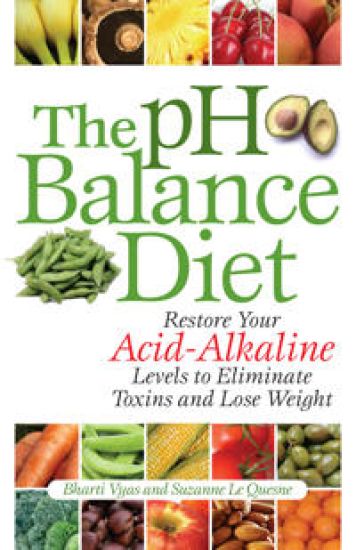
The Ph Balance Diet

Bharti Vyas; Suzanne Le Quesne

Amorata Press
2007
nidottu
ELIMINATE TOXINS, LOSE WEIGHT AND INCREASE ENERGYWhen naturally balanced, your body is alkaline. But a diet high in meat, dairy and sugar overwhelms your body with acidic waste, resulting in weight gain, low energy, poor skin and brittle bones. The pH Balance Diet explains how to correct imbalances, eliminate toxic overload and reverse acid buildup. It offers a gradual, healthy approach to restoring your body's natural acid-alkaline balance, including: Easy-to-follow, three-phase programTips on how to eat fewer acid-forming foodsA handy quick list of the top 80 alkaline-forming foodsInformation on free radicals and antioxidants Includes over 40 quick and delicious recipes feature alkaline-forming ingredients such as avocados, cantaloupe, eggplant, kiwis, lentils, mushrooms, peppers, rye bread, salmon, soymilk, turkey and wild rice.
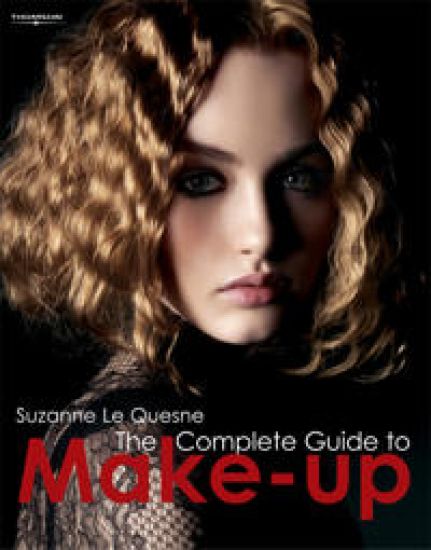
The Complete Guide to Make-up

The Complete Guide to Make-up

Suzanne Le Quesne

Cengage Learning EMEA
2005
nidottu
The Complete Guide to Make-up is the definitive text for all aspiring make-up artists. This captivating book embraces all aspects of make-up and make-up artistry with an infectious enthusiasm. Suzanne Le Quesne’s love of her subject shines through in the style and flair of her writing, helping students on their way to a first class learning experience. Le Quesne provides a unique blend of encouragement combined with invaluable intuition and know-how to equip anyone aspiring to success within the make-up industry. Students studying at S/NVQ Levels 2 and 3, particularly those seeking qualification via the make-up route, as well as those pursuing other professional make-up certifications, will relish the author’s lively but uncomplicated writing style. This book contains the most thorough coverage available of all mandatory units complimented by extensive information on make-up for fashion and photographic work, theatrical and media make-up and face and body painting methods, including temporary tattoos, airbrushing techniques and mendhi/henna skin decoration.
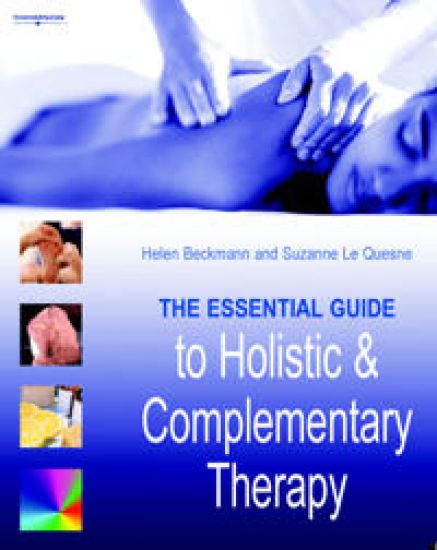
The Essential Guide to Holistic and Complementary Therapy

The Essential Guide to Holistic and Complementary Therapy

Helen Beckmann; Suzanne Le Quesne

Cengage Learning EMEA
2005
nidottu
The Essential Guide to Holistic and Complementary Therapy is the most comprehensive text currently available, designed to meet the demands of teachers and the wider industry for a book that addresses both the core subjects of holistic and complementary therapy and individual topics such as reiki and colour therapy. This book provides the ideal introduction for anyone studying one or more modules in any of the holistic and complementary therapies. It is also suitable for anyone with a general interest in holistic and complementary therapies. This inspirational text covers aromatherapy, Indian head massage, reflexology and body massage in accordance with the VTCT Holistic and Complementary Diplomas and the City & Guilds Progression Awards courses. It offers equal coverage of other popular therapies including reiki, crystal therapy, colour therapy, thermal auricular therapy, stress management, holistic facial and hot stone therapy. Foundation knowledge for all therapists in the areas of anatomy and physiology, chemistry, health and safety and client consultation is also included.
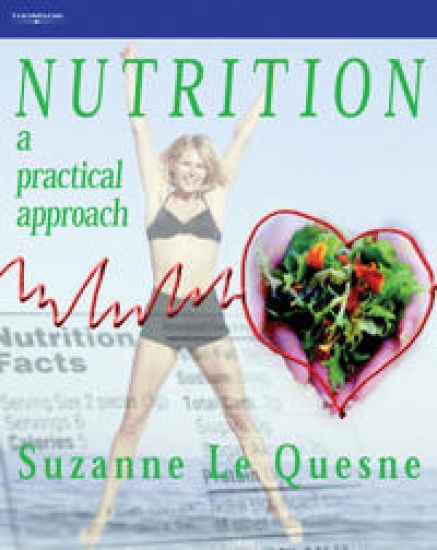
Nutrition

Nutrition

Suzanne Le Quesne

Cengage Learning EMEA
2003
nidottu
Nutrition: A Practical Approach explains nutrition in an understandable, interesting and straightforward way. It is suitable for use on a variety of nutrition courses including those offered by VTCT, ION, ITEC and the Home Study Nutrition Diploma Course written by the author and accredited by Vocational Awards International. It is also ideal for those studying a nutrition module on therapy-based courses such as the VTCT Holistic Diploma or NVQ 3 in Beauty Therapy. It is excellent reference material for health practitioners, holistic therapists or anyone with a general interest in nutrition. Divided into 3 parts, Part 1 covers the basic theory for nutrition including macronutrients (carbohydrates, proteins and fats), micro nutrients (vitamins and minerals), herbal remedies and superfoods. It also covers diet, supplements, food labels, food myths and nutrition of specific groups of people, such as pregnant women. Part 2 covers nutritional influences on body systems and explains over 100 everyday symptoms including fatigue, loss of concentration, aching joints, bloating, heartburn, PMS, endometriosis, arthritis, candid and insomnia. Symptoms are listed for each body system and an explanation of how diet affects each system is given. From the digestive system through to the urinary system, recommendations are given by way of supernutrients, herbal remedies, superfoods and lifestyle changes. Part 3 helps you to get started in the field of nutrition. It covers topics ranging from diet planning principles to calculating Body Mass Index and The Weakest Link questionnaire. This simple questionnaire is quick to complete and helps you to ascertain your client’s weakest body system. This enables you to provide effective home care advice regarding the system which needs most support in association with Part 2 of the book.