Kirjojen hintavertailu – 12 903 735 kirjaa ja 27 kauppaa

Kirjailija

T.A.I. Bouchier-Hayes

Kirjat ja teokset yhdessä paikassa: 3 kirjaa, julkaisuja vuodelta 2012, suosituimpiin kuuluu The MRCGP Examination. Vertaile teosten hintoja ja tarkista saatavuus suomalaisista kirjakaupoista.

Nimi esiintyy myös muodoissa: T. A. I. Bouchier Hayes

3 kirjaa

The MRCGP Examination

The MRCGP Examination

A. Moulds; T.A.I. Bouchier-Hayes; K.H.M. Young

Springer
2012
nidottu
JOHN JOHN FRY FRY All All examinations examinations create create problems problems and and stresses stresses in in examinees. examinees. The The examination examination for for the the Membership Membership of of the the Royal Royal College College of of General General Practitioners Practitioners is is no no exception. exception. Although Although the the examiners examiners state state that that their their objectives objectives are are to to pass pass candidates candidates wherever wherever and and whenever whenever possible, possible, nevertheless nevertheless the the failure failure rate rate remains remains con­ sistently sistently at at 30% 30% plus plus of of those those taking taking the the examination. examination. The The reasons reasons for for failure failure fall fall into into a a number number of of groups. groups. The The candidate candidate may, may, through through over-confidence, over-confidence, not not have have prepared prepared for for the the examination. examination. He He may may have have assumed assumed that that it it is is not not necessary necessary to to read, read, learn learn and and digest digest data, data, facts facts and and experience experience on on general general practice. practice. How How wrong wrong that that is, is, he he will will discover discover when when he he sits sits the the exam. exam.
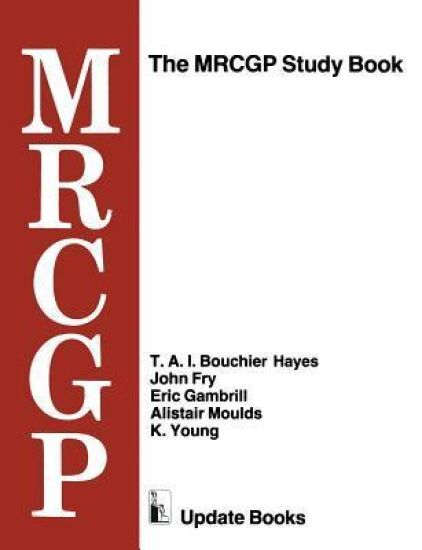
The MRCGP Study Book

The MRCGP Study Book

T. A. I. Bouchier Hayes; John Fry; Eric Gambrill; Alistair Moulds; K. Young

Springer
2012
nidottu
The Membership examination of the Royal College of General Practitioners has evolved and matured as a seal and a test on completion of vocational training. More than 1000 candidates are taking the examination each year and an increasing majority are trainees who have completed their three­ year training period. The whole concept and philosophy of the MRCGP has been questioned by critical cynics who refuse to accept general practice as a field of medical practice worthy of recognition as a specialty with its own core of know­ ledge, skills and expertise and with its own special epidemiology, pathology, clinical presentations and management. These cynical critics are being answered by the growth of the examination and its recognition within the profession as an important and necessary goal to be achieved. The MRCGP exam has arrived, it is here to stay and it will continue to grow and evolve. The exam is no easy obstacle to negotiate. It has a regular failure rate of I in 3 and it requires special preparation and study of its examinees if they are to understand its aims, contents and methods. It must not be assumed that even the brightest trainee can walk off the street, enter the examin­ ation hall and be confident of passing. It requires a few months of careful and guided preparation.
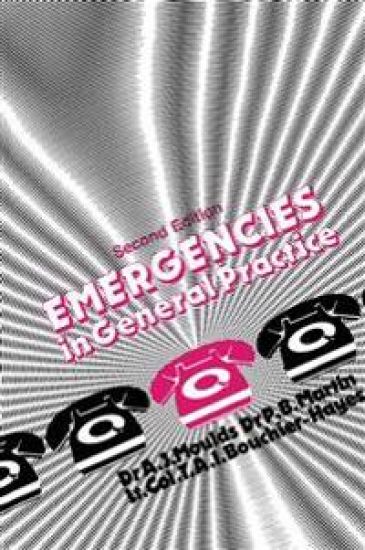
Emergencies in General Practice

Emergencies in General Practice

A. Moulds; P. Martin; T.A.I. Bouchier-Hayes

Springer
2012
nidottu
This book has been written to provide general practitioners with an easy to read, easy to consult guide, to aid in the management of the large majority of practice emer­ gencies. Each presenting problem is approached logically with telephone assessment and advice followed by the assessment and management necessary when the patient is seen. The emphasis is on practical primary care with discussion of differential diagnosis only taken as far as is needed for deciding the best immediate course of action. Words are kept to a minimum though tables are liberally used to summarise useful information. For each situation the final management advice is highlighted by being presented within a heavily lined box. Our guiding principles for emergency care, which this book naturally reflects, are: (1) Visit first - argue or educate later. (2) If in doubt - see the patient. To use this book for ready reference by the telephone, in the car, or at the bedside: (i) If the patient is a child, look at the contents list at the beginning of chapter 4 and then turn to the relevant pages. (ii) If the patient is an adult, first decide the system involved then look at the contents list at the beginning of the appropriate chapter before turning to the relevant pages.