

Kirjailija
Tamra Orr
Kirjat ja teokset yhdessä paikassa: 44 kirjaa, julkaisuja vuosilta 2003–2026, suosituimpiin kuuluu Managing Sickle Cell Anemia. Vertaile teosten hintoja ja tarkista saatavuus suomalaisista kirjakaupoista.
44 kirjaa
Kirjojen julkaisuvuodet: 2003–2026.



Tervetuloa Pohjoismaiden suurimpaan verkkokirjakauppaan! Adlibris kannattaa sananvapautta, ja haluamme edistää kirjallisuuden ja tiedon saatavuutta.

Tervetuloa Pohjoismaiden suurimpaan verkkokirjakauppaan! Adlibris kannattaa sananvapautta, ja haluamme edistää kirjallisuuden ja tiedon saatavuutta.

Tervetuloa Pohjoismaiden suurimpaan verkkokirjakauppaan! Adlibris kannattaa sananvapautta, ja haluamme edistää kirjallisuuden ja tiedon saatavuutta.
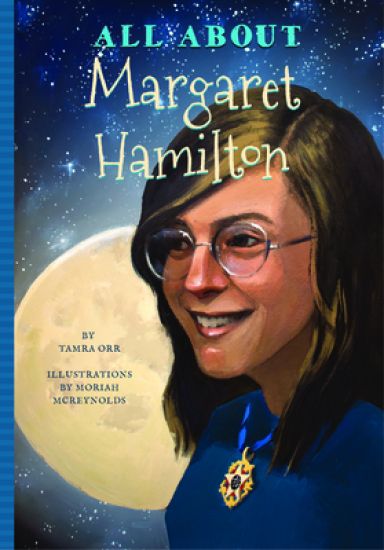
When the very first men landed on the moon on July 20, 1969, more than half a billion people around the world were watching. They were amazed at what they were seeing on their television sets. The journey to the moon had taken years of skill, wisdom, and effort. It had also taken a huge team of more than 400,000 people--including a young woman named Margaret Hamilton. Margaret loved numbers from the time she was a child. As an adult, she was fascinated by creating computer software, long before the rest of the world had ever heard of it. After graduating from college in Indiana, Hamilton moved to Massachusetts. One day she heard that NASA (the National Aeronautics and Space Association) was looking for computer coders. They wanted to put men on the moon within a few years. Margaret was thrilled to get the chance to work on something this monumental. At that time, space flight was still an idea that was mostly found in science fiction books and movies. At first, NASA primarily gave Margaret the jobs that others did not want. She spent countless hours handwriting notes and computing formulas with paper and pencil. By the time the Apollo missions were heading for the moon, Margaret was a constant member on the team--and the only woman. When Apollo 11 was only minutes from making its world-famous moon landing in 1969, it was Margaret who was behind the fact that it happened correctly. A last-minute malfunction almost ended the mission. However, her software program came to the rescue. The Apollo's lunar module gently sat down on the moon surface. For many years, Margaret helped NASA achieve its main goals. Her talent for numbers and for creating software played a very important role in making space travel a reality. Even after she left NASA, Margaret kept producing software. She developed a universal computer language that made online communication faster and easier.

All living things need air to survive. Air also protects the Earth. Discover why air is an important part of nature!

Erosion changes Earth's natural features. It breaks down materials and can help make something new. Discover why erosion is an important part of nature!
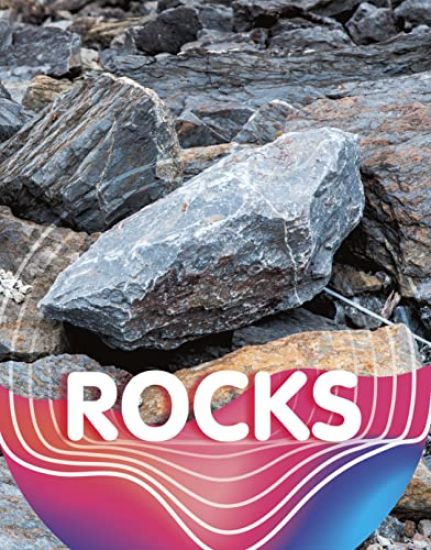
Different kinds of rocks are found on Earth. Many are found deep inside Earth. Discover why rocks are an important part of nature!

Erosion changes Earth's natural features. It breaks down materials and can help make something new. Discover why erosion is an important part of nature!
Different kinds of rocks are found on Earth. Many are found deep inside Earth. Discover why rocks are an important part of nature!
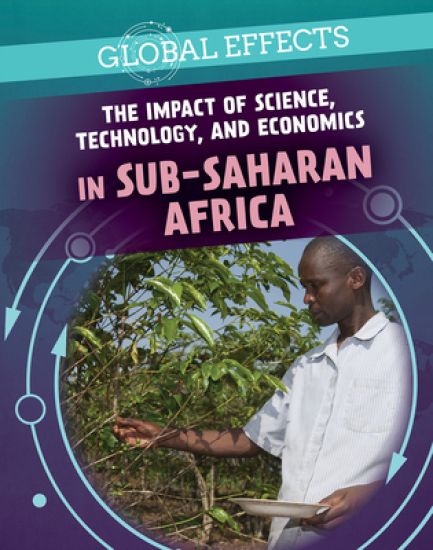
The Impact of Science, Technology, and Economics in Sub-Saharan Africa
Tamra Orr
PowerKids Press
2020
nidottu
How do the advances in science, technology, and economics in Sub-Saharan Africa impact the larger global community? This book takes a close look at the past and present technology that has developed in Sub-Saharan Africa, and how it ties into the area's natural resources and factors of production. Informative graphic organizers, fact-filled text, and vivid photographs will help readers develop a strong understanding of the global influence of Sub-Saharan Africa.
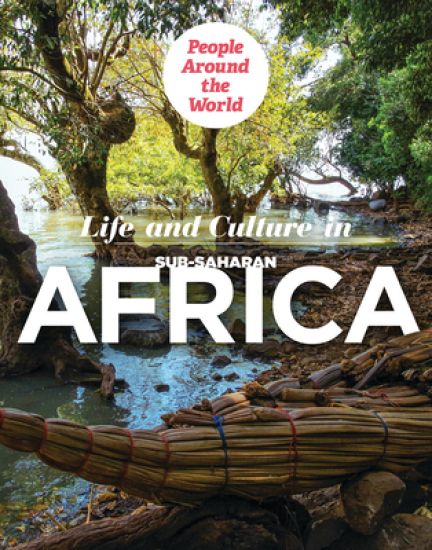
From conquering a difficult natural environment to fighting in political power struggles, the peoples of Sub-Saharan Africa have met every obstacle with determination. Comprised of 46 countries, this region is also diverse and bountiful with vibrant cultures. This book features fact-filled text that explores and explains this area's cultures. Full-color photographs spotlight the clothes, art, celebrations, and traditions that make Sub-Saharan Africa such a splendid and enduring place.
The Impact of Science, Technology, and Economics in Sub-Saharan Africa
Tamra Orr
PowerKids Press
2020
sidottu
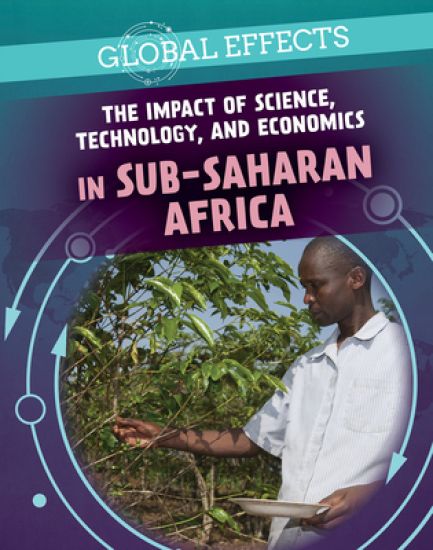
How do the advances in science, technology, and economics in Sub-Saharan Africa impact the larger global community? This book takes a close look at the past and present technology that has developed in Sub-Saharan Africa, and how it ties into the area's natural resources and factors of production. Informative graphic organizers, fact-filled text, and vivid photographs will help readers develop a strong understanding of the global influence of Sub-Saharan Africa.
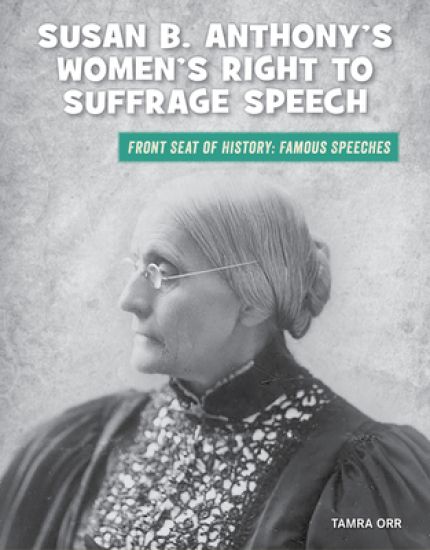
Monroe County, New York, 1873: Confused on what to think about the suffragist movement, a young boy stops at one of Susan B. Anthony's pre-trial speeches. Aligned with curriculum standards, these narrative-nonfiction books also highlight key 21st Century content: Global Awareness, Media Literacy, and Civic Literacy. Thought-provoking content and hands-on activities encourage critical thinking. Book includes a table of contents, glossary of key words, index, author biography, sidebars, and timeline.
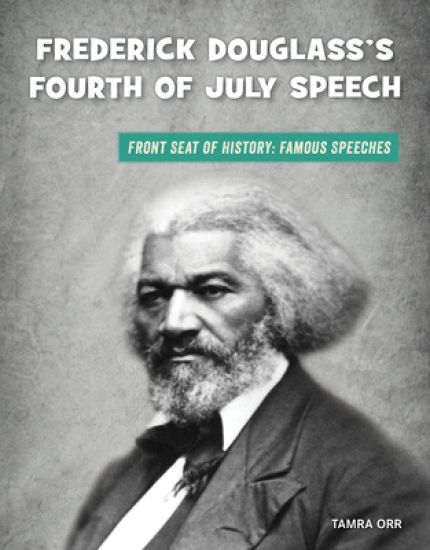
Rochester, New York, 1852: A young boy listens to Frederick Douglass deliver his speech, and begins to question the meaning of Independence Day. Aligned with curriculum standards, these narrative-nonfiction books also highlight key 21st Century content: Global Awareness, Media Literacy, and Civic Literacy. Thought-provoking content and hands-on activities encourage critical thinking. Book includes a table of contents, glossary of key words, index, author biography, sidebars, and timeline.

Washington, D. C., 2008. Two sisters and their mother stand in the crowd to watch Barack Obama be sworn in as the 44th president of the United States. Aligned with curriculum standards, these narrative-nonfiction books also highlight key 21st Century content: Global Awareness, Media Literacy, and Civic Literacy. Thought-provoking content and hands-on activities encourage critical thinking. Book includes a table of contents, glossary of key words, index, author biography, sidebars, and timeline.

Houston, Texas, 1962. In the midst of the Space Race, a young girl and her family listen to President John F. Kennedy give a speech at Rice University. Aligned with curriculum standards, these narrative-nonfiction books also highlight key 21st Century content: Global Awareness, Media Literacy, and Civic Literacy. Thought-provoking content and hands-on activities encourage critical thinking. Book includes a table of contents, glossary of key words, index, author biography, sidebars, and timeline.