Kirjojen hintavertailu – 12 903 725 kirjaa ja 27 kauppaa

Kirjailija

Tanaya Winder

Kirjat ja teokset yhdessä paikassa: 5 kirjaa, julkaisuja vuosilta 2013–2023, suosituimpiin kuuluu Writing the Self-Elegy. Vertaile teosten hintoja ja tarkista saatavuus suomalaisista kirjakaupoista.

5 kirjaa

Kirjojen julkaisuvuodet: 2013–2023.

Writing the Self-Elegy

Writing the Self-Elegy

Teresa Leo; Jennifer McCauley; John Chavez; Kasey Jueds; Catherine Kyle; Adam Crittenden; Rigoberto Gonzalez; Kyle McCord; Jane Wong; Naomi Ortiz; Denise Leto; Carol Berg; Kristy Bowen; Floydd Michael Elliot; Jehanne Dubrow; Carl Phillips; Bruce Bond; Kevin Prufer; Rusty Morrison; Sheila Black; Lauren Berry; Anne Kaier; TC Tolbert; Raymond Luczak; Stephanie Heit; Juliet Cook; Tanaya Winder

SOUTHERN ILLINOIS UNIVERSITY PRESS
2023
nidottu
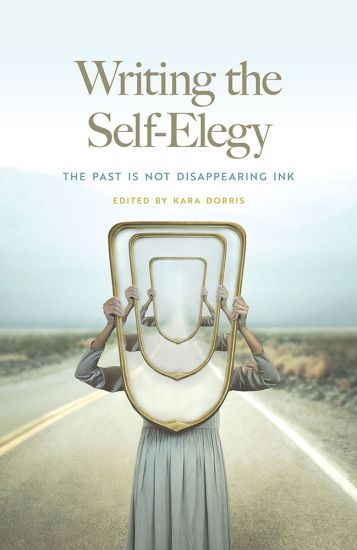
An innovative roadmap to facing our past and present selves Honest, aching, and intimate, self-elegies are unique poems focusing on loss rather than death, mourning versions of the self that are forgotten or that never existed. Within their lyrical frame, multiple selves can coexist—wise and nai¨ve, angry and resigned—along with multiple timelines, each possible path stemming from one small choice that both creates new selves and negates potential selves. Giving voice to pain while complicating personal truths, self-elegies are an ideal poetic form for our time, compelling us to question our close-minded certainties, heal divides, and rethink our relation to others. In Writing the Self-Elegy, poet Kara Dorris introduces us to this prismatic tradition and its potential to forge new worlds. The self-elegies she includes in this anthology mix autobiography and poetics, blending craft with race, gender, sexuality, ability and disability, and place—all of the private and public elements that build individual and social identity. These poems reflect our complicated present while connecting us to our past, acting as lenses for understanding, and defining the self while facilitating reinvention. The twenty-eight poets included in this volume each practice self-elegy differently, realizing the full range of the form. In addition to a short essay that encapsulates the core value of the genre and its structural power, each poet’s contribution concludes with writing prompts that will be an inspiration inside the classroom and out. This is an anthology readers will keep close and share, exemplifying a style of writing that is as playful as it is interrogative and that restores the self in its confrontation with grief.

A Self-Love Journal: 100 Things I Love about Me
Forge a deeper connection with yourself and build confidence Learning to maintain a positive mindset and practice self-love can be challenging if you don't know where to start. This engaging journal provides thoughtful prompts and creative exercises to boost your self-image and help you achieve a healthier relationship with yourself. Use this approachable love journal to increase self-love and improve your outlook. Use this guided journal to: Learn to love yourself-Enhance self-love with prompts that build on each other as your move through the journal. Feel inspired and empowered-Discover exercises that encourage you to get in touch with yourself and celebrate what makes you unique. Build a meditation practice-Enjoy taking moments to pause and breathe with simple guided meditations. Boost self-esteem and develop a healthier mindset with this easy-to-use love journal.
Words Like Love

Words Like Love

Tanaya Winder

University of New Mexico Press
2021
nidottu
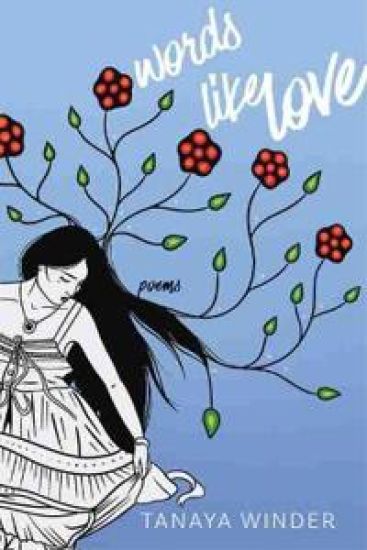
Tanaya Winder's Words Like Love sings the joys, glories, and laments of love. As an accomplished poet, Winder traverses the darkness in a quest to learn more about the most complex of subjects. With beauty and ease, she explores emotion and thought through the poems featured in this debut collection.
Why Storms are Named After People and Bullets Remain Nameless

Why Storms are Named After People and Bullets Remain Nameless

Tanaya Winder

Createspace Independent Publishing Platform
2017
nidottu
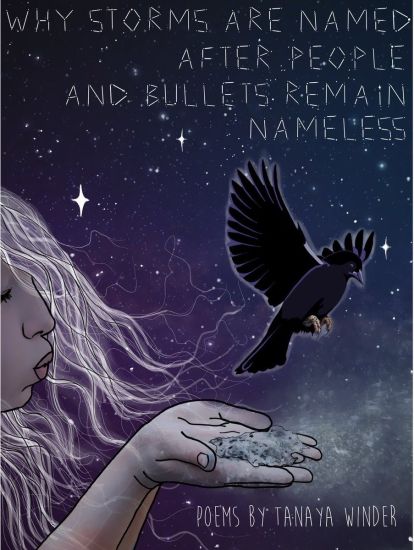
The second collection of poems by Tanaya Winder.." Ruthless with truth and sonic boomed with radiance, Tanaya Winder is sweet soul medicine."--Richard Van Camp, author of The Lesser Blessed and The Moon of Letting Go. In "Why Storms are named after People but Bullets remain nameless," we find Tanaya Winder in the thick of a beautiful burn, where "pain demands to be felt," where joy or maybe something more decolonial than it bubbles up from the black hole of the past. Winder aims a sociological eye at the gun, the bullet, and the throttle so that we might together constellate differently. "like any good indian woman" is one of my favourite poems to date " -Billy-Ray Belcourt, author of This Wound Is a World ." Gripping and radiantly moving testament of rezilience, healing, and defiance." - Marcus Red Shirt, Poet, Educator, Youth Advocate, and Spoken Word Artist .'Why Storms are Named After People...' is a book for dreamers and survivors. Every verse of Winder's brings us out of the past and into the possibility and hope of the future." -Skyler Reed - Editor, Moved By Words
Soul Talk, Song Language

Soul Talk, Song Language

Joy Harjo; Tanaya Winder

Wesleyan University Press
2013
nidottu
Joy Harjo is a "poet-healer-philosopher-saxophonist," and one of the most powerful Native American voices of her generation. She has spent the past two decades exploring her place in poetry, music, dance/performance, and art. Soul Talk, Song Language gathers together in one complete collection many of these explorations and conversations. Through an eclectic assortment of media, including personal essays, interviews, and newspaper columns, Harjo reflects upon the nuances and development of her art, the importance of her origins, and the arduous reconstructions of the tribal past, as well as the dramatic confrontation between Native American and Anglo civilizations. Harjo takes us on a journey into her identity as a woman and an artist, poised between poetry and music, encompassing tribal heritage and reassessments and comparisons with the American cultural patrimony. She presents herself in an exquisitely literary context that is rooted in ritual and ceremony and veers over the edge where language becomes music.