Kirjojen hintavertailu – 12 903 725 kirjaa ja 27 kauppaa

Kirjailija

Tanya Wyatt

Kirjat ja teokset yhdessä paikassa: 9 kirjaa, julkaisuja vuosilta 2012–2026, suosituimpiin kuuluu A Research Agenda for Green Criminology. Vertaile teosten hintoja ja tarkista saatavuus suomalaisista kirjakaupoista.

9 kirjaa

Kirjojen julkaisuvuodet: 2012–2026.

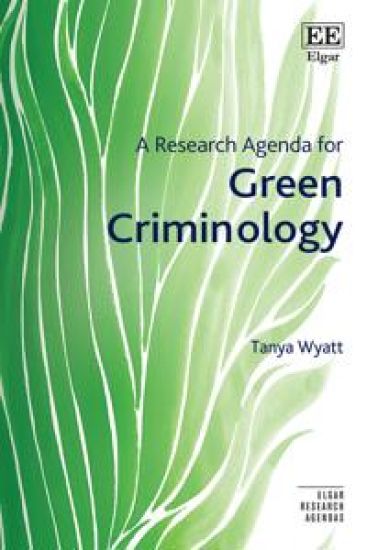
A Research Agenda for Green Criminology

A Research Agenda for Green Criminology

Tanya Wyatt

EDWARD ELGAR PUBLISHING LTD
2026
sidottu
Elgar Research Agendas outline the future of research in a given area. Leading scholars are given the space to explore their subject in provocative ways and map out the potential directions of travel. They are relevant but also visionary. This insightful Research Agenda sheds light on underexplored theories, methods and topics in green criminology and outlines the ways in which powerful actors avoid responsibility for the destruction of the environment. The key underlying message is that we must dare to be positive and seek radical change, placing the planet at the core of decision making. Tanya Wyatt provides a green criminology approach to water, mining, climate change and space legislation, significantly expanding the scope of the field. For each of these topics, there is a discussion of how powerful actors cause environmental destruction and how they keep this destruction from being recognized as a crime. She then explores and advocates for restorative justice to repair environmental damage. Looking to the future, Wyatt covers two earth-centred legal systems, Rights of Nature and Wild Law, as potential means of restorative justice and considers what these innovative systems could mean for green harms and crimes moving forward. Forward-thinking and interdisciplinary, this Research Agenda is an essential resource for researchers and students of sociology, environmental law and criminology. It will also inform policymakers and justice officials of the coming threats posed by conglomerates and states who enact climate destruction.
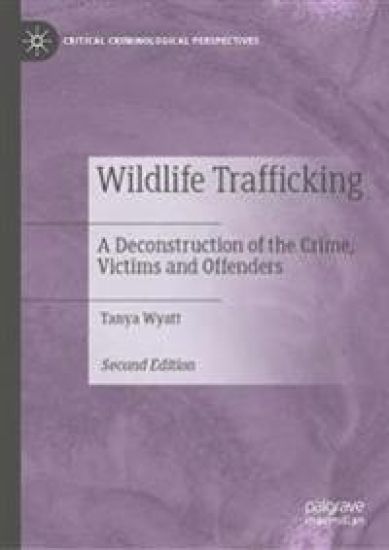
Wildlife Trafficking

Wildlife Trafficking

Tanya Wyatt

Springer Nature Switzerland AG
2022
nidottu
This book provides a comprehensive, global exploration of the scale, scope, threats, and drivers of wildlife trafficking from a criminological perspective. Building on the first edition, it takes into account the significant changes in the international context surrounding these issues since 2013. It provides new examples, updated statistics, and discusses the potential changes arising as a result of COVID-19 and the IPBES 2019 report. It also discusses the shift in trafficking ‘hotspots’ and the recent projects that have challenged responses to wildlife trafficking. It undertakes a distinctive exploration of who the victims and offenders of wildlife trafficking are as well as analysing the stakeholders who are involved in collaborative efforts to end this devastating green crime. It unpacks the security implications of wildlife trade and trafficking and possible responses and ways to combat it. It provides useful and timely information for socialand environmental/life scientists, law enforcement, NGOs, and policy makers.
Wildlife Trafficking

Wildlife Trafficking

Tanya Wyatt

Springer Nature Switzerland AG
2021
sidottu
This book provides a comprehensive, global exploration of the scale, scope, threats, and drivers of wildlife trafficking from a criminological perspective. Building on the first edition, it takes into account the significant changes in the international context surrounding these issues since 2013. It provides new examples, updated statistics, and discusses the potential changes arising as a result of COVID-19 and the IPBES 2019 report. It also discusses the shift in trafficking ‘hotspots’ and the recent projects that have challenged responses to wildlife trafficking. It undertakes a distinctive exploration of who the victims and offenders of wildlife trafficking are as well as analysing the stakeholders who are involved in collaborative efforts to end this devastating green crime. It unpacks the security implications of wildlife trade and trafficking and possible responses and ways to combat it. It provides useful and timely information for socialand environmental/life scientists, law enforcement, NGOs, and policy makers.
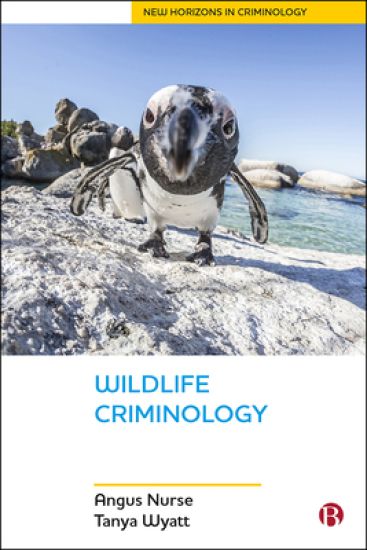
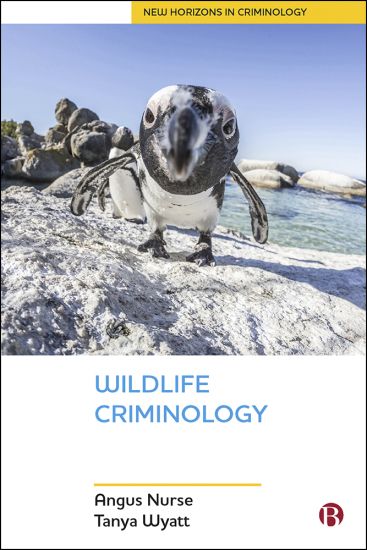
Wildlife Criminology

Wildlife Criminology

Angus Nurse; Tanya Wyatt

Bristol University Press
2021
nidottu
This illuminating study explores crimes against, and involving, wildlife and the resultant social harms. The authors go well beyond basic conceptions of animal-related crime, such as illicit trade, for a deeper exploration of wildlife criminology, using a novel approach that combines philosophical, legal and criminological perspectives. They shed light on both legal and illegal harms, including blood sports, wildlife as food and abuse in zoos, and consider the potential connections with inter-human crimes. This is a unique treatment of wildlife as victims of crime and a consideration of their rights as sentient beings that sets new horizons for the concept of wildlife criminology.
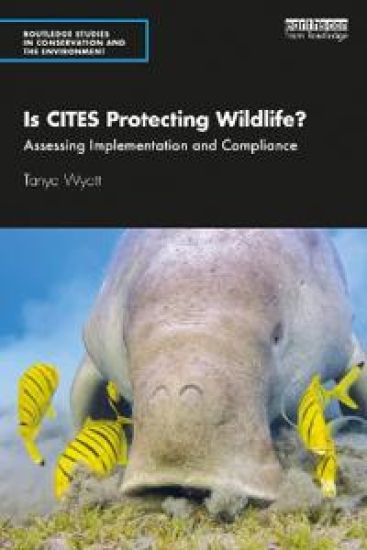
Is CITES Protecting Wildlife?

Is CITES Protecting Wildlife?

Tanya Wyatt

Routledge
2021
nidottu
This book assesses the Convention on International Trade in Endangered Species of Wild Fauna and Flora (CITES), examining both implementation and compliance. Humans are causing a biodiversity crisis, where 1 million species are facing extinction. Species are dying, in no small part, because they are overexploited, poached and trafficked and CITES is the main international instrument designed to protect traded wildlife. Does the state of the world’s species mean CITES is failing? This book explores the implementation of and compliance with CITES by all 183 member countries. It is imperative we know the nature and extent of the implementation of and compliance with CITES legislation in all parties to fully understand the impact of legal and illegal trade on species survival. Through extensive legislative content analysis, a Delphi iterative survey, and semi-structured interviews, this is the first book to share empirical research about CITES implementation and compliance. This book contains a comprehensive analysis of the state of CITES, what is done well, what could be done better, and what the future might bring to try to curtail the slide of the world’s wildlife into extinction. By identifying lessons learned in relation to CITES legislation, implementation and compliance this book provides hard evidence to member countries as to how their own practice can be improved. This timely book will be essential reading for students and academics interested in wildlife law, trade and trafficking, green criminology and biodiversity conservation more broadly. It will also be of interest to professionals working in wildlife law enforcement.
Is CITES Protecting Wildlife?

Is CITES Protecting Wildlife?

Tanya Wyatt

Routledge
2021
sidottu
This book assesses the Convention on International Trade in Endangered Species of Wild Fauna and Flora (CITES), examining both implementation and compliance. Humans are causing a biodiversity crisis, where 1 million species are facing extinction. Species are dying, in no small part, because they are overexploited, poached and trafficked and CITES is the main international instrument designed to protect traded wildlife. Does the state of the world’s species mean CITES is failing? This book explores the implementation of and compliance with CITES by all 183 member countries. It is imperative we know the nature and extent of the implementation of and compliance with CITES legislation in all parties to fully understand the impact of legal and illegal trade on species survival. Through extensive legislative content analysis, a Delphi iterative survey, and semi-structured interviews, this is the first book to share empirical research about CITES implementation and compliance. This book contains a comprehensive analysis of the state of CITES, what is done well, what could be done better, and what the future might bring to try to curtail the slide of the world’s wildlife into extinction. By identifying lessons learned in relation to CITES legislation, implementation and compliance this book provides hard evidence to member countries as to how their own practice can be improved. This timely book will be essential reading for students and academics interested in wildlife law, trade and trafficking, green criminology and biodiversity conservation more broadly. It will also be of interest to professionals working in wildlife law enforcement.
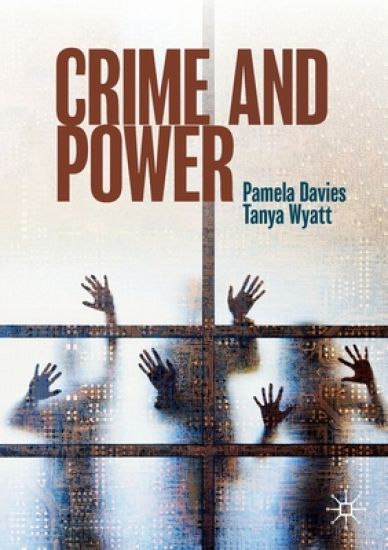
Crime and Power

Crime and Power

Pamela Davies; Tanya Wyatt

Springer Nature Switzerland AG
2020
nidottu
This textbook makes a concerted effort to expose crimes committed by those wielding unfettered personal power and crimes by corporations, business and states, crimes against human and non-human species and the environment. It examines an increasingly complex interplay of issues which surely should be at the heart of any criminology programme. This text adopts a fresh and innovative approach to exposing the crimes of the powerful, situating and understanding crimes and victimisations as it does within a framework where questions of structural and personal power in society are key. Fourteen case studies are threaded throughout the book and this methodology is used as a teaching resource for studying and uncovering the crimes of the powerful. The first three chapters comprehensively contextualise the problems of crime and power and establish the importance of power to understanding crime and victimisation in society. The chapters within Part I and Part II of the book then explore individual and group power respectively. Each of these chapters explore a case study or case examples followed by ‘Pause for Thought’ questions. Bigger ‘Go Further’ study questions are posed at the close of these chapters challenging students to engage in their own case study research to investigate the dynamics of crime and power.
Wildlife Criminology

Wildlife Criminology

Angus Nurse; Tanya Wyatt

Bristol University Press
2020
sidottu
This illuminating study explores crimes against, and involving, wildlife and the resultant social harms. The authors go well beyond basic conceptions of animal-related crime, such as illicit trade, for a deeper exploration of wildlife criminology, using a novel approach that combines philosophical, legal and criminological perspectives. They shed light on both legal and illegal harms, including blood sports, wildlife as food and abuse in zoos, and consider the potential connections with inter-human crimes. This is a unique treatment of wildlife as victims of crime and a consideration of their rights as sentient beings that sets new horizons for the concept of wildlife criminology.