Kirjojen hintavertailu – 12 859 818 kirjaa ja 27 kauppaa
Kirjailija
Tawfiq al-Hakim
Kirjat ja teokset yhdessä paikassa: 2 kirjaa, julkaisuja vuosilta 2014–2020, suosituimpiin kuuluu Return of the Spirit. Vertaile teosten hintoja ja tarkista saatavuus suomalaisista kirjakaupoista.
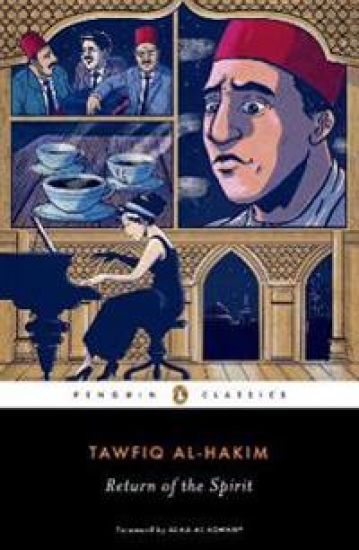
First published in Arabic in 1933, Return of the Spirit follows a patriotic young Egyptian and his extended family as they grapple with the events leading up to the 1919 Egyptian revolution. This is a trail-blazing political novel that illustrates the way one man's spiritual awakening ties in with the political awakening of a nation.
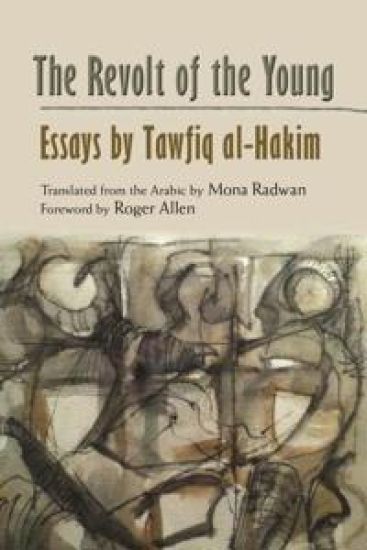
Tawfiq al-Hakim (1898–1987) is recognized as one of the most important figures in the history of modern Arabic literature. Considered a pioneer in many literary forms, including drama, novels, and short stories, al-Hakim influenced generations of Egyptian writers. The Revolt of the Young is a collection of essays originally published in 1984 that shows al-Hakim as a public intellectual addressing the ongoing conflict between generations. Al-Hakim muses on the cultural, artistic, and intellectual links and breakages between the old and the young generations. He focuses on the young and their role in the continuing development of Egyptian society, which over the course of the last century or so has undergone foreign occupation, an experiment in parliamentary democracy within a monarchical system, a socialist revolution characterized by both successes and failures, the emergence of a dictatorial presidency, and now the development of a complex political scenario currently dominated by groups with varyingly strong ties to the tenets of Islam. Al-Hakim did not live long enough to witness the most recent phases of this elongated and often disruptive process of experimentation and change, but in his writing, he focuses on the institution that he regards as crucial to any forward progress: the family. The essays present readers with a voice from the past, with uncanny foretelling of issues raised by the events that occurred in Egypt more than twenty years after al-Hakim’s death. Radwan’s translation, along with Roger Allen’s foreword, brings to light al-Hakim’s lucid and erudite commentary, much of it as relevant to the problems facing Egyptian youth today as it was when first published.