
Kirjojen hintavertailu – 12 903 724 kirjaa ja 27 kauppaa

Kirjailija

Taylor Worley

Kirjat ja teokset yhdessä paikassa: 3 kirjaa, julkaisuja vuosilta 2017–2021, suosituimpiin kuuluu Memento Mori in Contemporary Art. Vertaile teosten hintoja ja tarkista saatavuus suomalaisista kirjakaupoista.

3 kirjaa

Kirjojen julkaisuvuodet: 2017–2021.

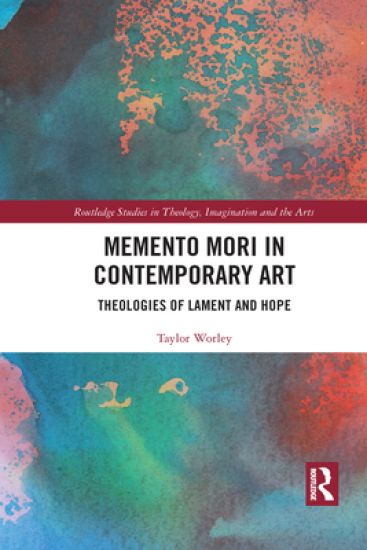
Memento Mori in Contemporary Art

Memento Mori in Contemporary Art

Taylor Worley

Taylor Francis Ltd
2021
nidottu
This book explores how four contemporary artists—Francis Bacon, Joseph Beuys, Robert Gober, and Damien Hirst—pursue the question of death through their fraught appropriations of Christian imagery. Each artist is shown to not only pose provocative theological questions, but also to question the abilities of theological speech to adequately address current attitudes to death. When set within a broader theological context around the thought of death, Bacon’s works invite fresh readings of the New Testament’s narration of the betrayal of Christ, and Beuys’ works can be appreciated for the ways they evoke Resurrection to envision possible futures for Germany in the aftermath of war. Gober’s immaculate sculptures and installations serve to create alternative religious environments, and these places are both evocative of his Roman Catholic upbringing and virtually haunted by the ghosts of his excommunication from that past. Lastly and perhaps most problematically, Hirst has built his brand as an artist from making jokes about death. By opening fresh arenas of dialogue and meaning-making in our society and culture today, the rich humanity of these artworks promises both renewed depths of meaning regarding our exit from this world as well as how we might live well within it for the time that we have. As such, it will be a vital resource for all scholars in Theology, the Visual Arts, Material Religion and Religious Studies.
Memento Mori in Contemporary Art

Memento Mori in Contemporary Art

Taylor Worley

Routledge
2019
sidottu
This book explores how four contemporary artists—Francis Bacon, Joseph Beuys, Robert Gober, and Damien Hirst—pursue the question of death through their fraught appropriations of Christian imagery. Each artist is shown to not only pose provocative theological questions, but also to question the abilities of theological speech to adequately address current attitudes to death. When set within a broader theological context around the thought of death, Bacon’s works invite fresh readings of the New Testament’s narration of the betrayal of Christ, and Beuys’ works can be appreciated for the ways they evoke Resurrection to envision possible futures for Germany in the aftermath of war. Gober’s immaculate sculptures and installations serve to create alternative religious environments, and these places are both evocative of his Roman Catholic upbringing and virtually haunted by the ghosts of his excommunication from that past. Lastly and perhaps most problematically, Hirst has built his brand as an artist from making jokes about death. By opening fresh arenas of dialogue and meaning-making in our society and culture today, the rich humanity of these artworks promises both renewed depths of meaning regarding our exit from this world as well as how we might live well within it for the time that we have. As such, it will be a vital resource for all scholars in Theology, the Visual Arts, Material Religion and Religious Studies.
Contemporary Art and the Church – A Conversation Between Two Worlds

Contemporary Art and the Church – A Conversation Between Two Worlds

W. David O. Taylor; Taylor Worley

Inter-Varsity Press,US
2017
nidottu
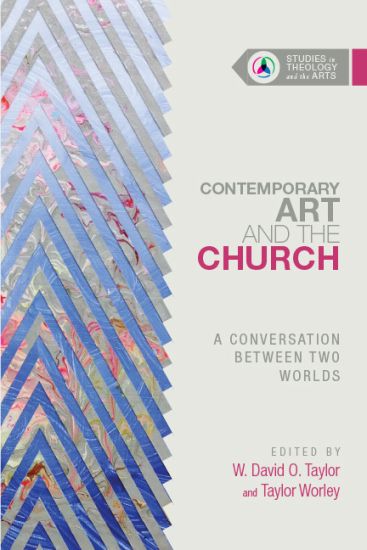
The church and the contemporary art world often find themselves in an uneasy relationship in which misunderstanding and mistrust abound. On one hand, the leaders of local congregations, seminaries, and other Christian ministries often don't know what to make of works by contemporary artists. Not only are these artists mostly unknown to church leaders, they and their work often lead them to regard the world of contemporary art with indifference, frustration, or even disdain. On the other hand, many artists lack any meaningful experience with the contemporary church and are mostly ignorant of its mission. Not infrequently, these artists regard religion as irrelevant to their work, are disinclined to trust the church and its leaders, and have experienced personal rejection from these communities. In response to this situation, the 2015 biennial conference of Christians in the Visual Arts (CIVA) facilitated a conversation between these two worlds. This volume gathers together essays and reflections by artists, theologians, and church leaders as they sought to explore misperceptions, create a hospitable space to learn from each other, and imagine the possibility of a renewed and mutually fruitful relationship. Contemporary Art and the Church seeks common ground for the common good of both the church and the contemporary art world. The Studies in Theology and the Arts series encourages Christians to thoughtfully engage with the relationship between their faith and artistic expression, with contributions from both theologians and artists on a range of artistic media including visual art, music, poetry, literature, film, and more.