
Kirjailija
Tess Knighton
Kirjat ja teokset yhdessä paikassa: 4 kirjaa, julkaisuja vuosilta 2019–2021, suosituimpiin kuuluu The Music of Juan de Anchieta. Vertaile teosten hintoja ja tarkista saatavuus suomalaisista kirjakaupoista.
4 kirjaa
Kirjojen julkaisuvuodet: 2019–2021.
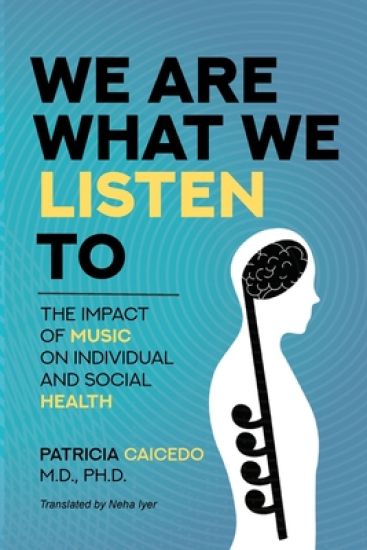
Discover the ancient relationship between music and medicine. Learn how the brain works when you listen and make music, the relationship between rhythm, movement, and health, between pleasure, emotion, and music, and the many ways in which music improves your health slows down the aging process, increases your creativity and produces happiness and a sense of purpose in life. A transdisciplinary book that explores the relationship between music and medicine and the impact of music on mental and physical health at an individual and social level. In light of recent neuroscientific research, this book explains the cognitive processes of music to understand how the brain of musicians works and the many benefits of musical practice at a mental level. The perception of sound and music, one of the most intimate and personal human experiences, has been key to the evolution of our species, and it could also be key to creating an individual who is more conscious of themselves and their surrounding, an individual with a global ecological conscience.
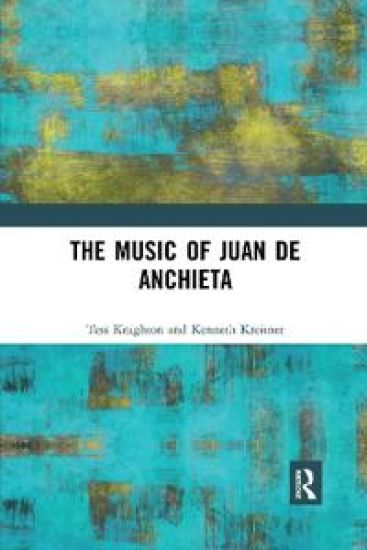
This book explores Juan de Anchieta’s life and his music and, for the first time, presents a critical study of the life and works of a major Spanish composer from the time of Ferdinand and Isabel. A key figure in musical developments in Spain in the decades around 1500, Anchieta served in the Castilian royal chapel for over thirty years, from his appointment in 1489 as a singer in the household of Queen Isabel, and he continued to receive a pension from her grandson, the Emperor Charles V, until his death in 1523. He traveled to Flanders in the service of the Catholic Monarchs’ daughter Juana, and was briefly music master to Charles himself. Anchieta, along with Francisco de Peñalosa, his contemporary in the Aragonese chapel, and a few others, was a key figure in the rise of elaborate written polyphony in the Spain of Josquin’s time. The book brings together two of the leading specialists in Spanish music of the era in order to review and revise the rich biographical material relating to Anchieta’s life, and the historiographical traditions which have dominated its telling. After a biographical overview, the chapters focus on specific genres of his music, sacred and secular, with suggestions as to a possible chronology of his work based on its codicology and style, and consideration of the contexts in which it was conceived and performed. A final chapter summarizes his achievement and his influence in his own time and after his death. As the first comprehensive study of Anchieta’s life and works, The Music of Juan de Anchieta is an essential addition to the history of Spanish music.
This book explores Juan de Anchieta’s life and his music and, for the first time, presents a critical study of the life and works of a major Spanish composer from the time of Ferdinand and Isabel. A key figure in musical developments in Spain in the decades around 1500, Anchieta served in the Castilian royal chapel for over thirty years, from his appointment in 1489 as a singer in the household of Queen Isabel, and he continued to receive a pension from her grandson, the Emperor Charles V, until his death in 1523. He traveled to Flanders in the service of the Catholic Monarchs’ daughter Juana, and was briefly music master to Charles himself. Anchieta, along with Francisco de Peñalosa, his contemporary in the Aragonese chapel, and a few others, was a key figure in the rise of elaborate written polyphony in the Spain of Josquin’s time. The book brings together two of the leading specialists in Spanish music of the era in order to review and revise the rich biographical material relating to Anchieta’s life, and the historiographical traditions which have dominated its telling. After a biographical overview, the chapters focus on specific genres of his music, sacred and secular, with suggestions as to a possible chronology of his work based on its codicology and style, and consideration of the contexts in which it was conceived and performed. A final chapter summarizes his achievement and his influence in his own time and after his death. As the first comprehensive study of Anchieta’s life and works, The Music of Juan de Anchieta is an essential addition to the history of Spanish music.