Kirjojen hintavertailu – 12 903 724 kirjaa ja 27 kauppaa
Kirjailija
Theodore Dalrymple
Kirjat ja teokset yhdessä paikassa: 50 kirjaa, julkaisuja vuosilta 2003–2026, suosituimpiin kuuluu Under omprövning : en antologi om konst, kanon och kvalitet. Vertaile teosten hintoja ja tarkista saatavuus suomalaisista kirjakaupoista.
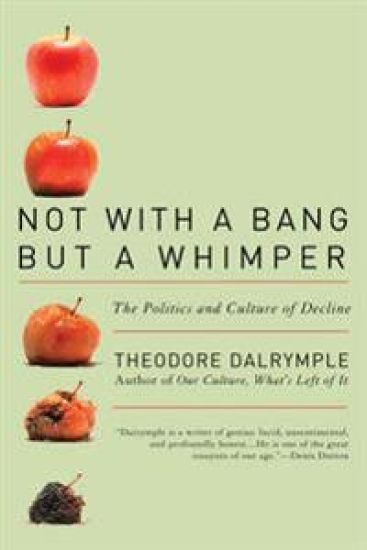
In Not with a Bang But a Whimper, Dalrymple takes the measure of our cultural decline, with special attention to Britain-its bureaucratic muddle, oppressive welfare mentality, and aimless young-all pursued in the name of democracy and freedom. He shows how terrorism and the growing numbers of Muslim minorities have changed our public life. Also here are Mr. Dalrymple's trenchant observations on artists and ideologues, and on the treatment of criminals and the mentally disturbed, his area of medical interest.
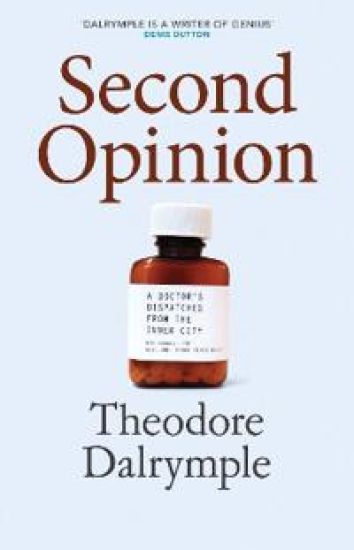
Theodore Dalrymple has spent 20 years as a prison and hospital doctor in one of Britain's poorest inner cities - and chronicling his experiences in regular dispatches in some of Britain's bestselling magazines. This book is a series of short pieces compiled from his regular, much-loved 'Second Opinion' and 'If Symptoms Persist' columns in The Spectator. It offers a compelling insight into what it's really like to work at the sharp end of modern medicine. He writes with a combination of compassion, dry humour and, occasionally, anger - mostly at the inhuman bureaucracy of the system, which works against doctors and nurses as they try to help their patients.
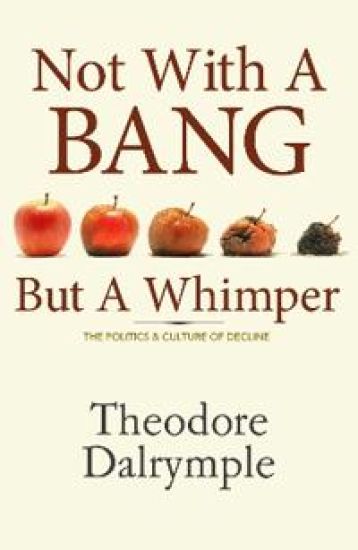
The Politics and Culture of Decline. 'Not With a Bang But a Whimper' is a beautifully-written and thought-provoking collection of pieces on subjects as diverse as the Jonathan Ross/Russell Brand controversy, violent crime on Britain's streets, the effects of the welfare state, modern architecture and the respective merits of Shakespeare and Dr Johnson. Theodore Dalrymple uses examples from his long career as a prison doctor, and his travels to every corner of the globe, to illustrate his central view - that Britain is in the throes of a catastrophic cultural, social and political decline.
Theodore Dalrymple's brilliant new collection of writings follows on the extraordinary success of his earlier books, Life at the Bottom and Our Culture, What's Left of It. No writer today is more adept and incisive in exploring the state of our culture and the ideas that are changing our ways of life. In Not with a Bang But a Whimper, he takes the measure of our cultural decline, with special attention to Britain-its bureaucratic muddle, oppressive welfare mentality, and aimless young-all pursued in the name of democracy and freedom. He shows how terrorism and the growing numbers of Muslim minorities have changed our public life. Also here are Mr. Dalrymple's trenchant observations on artists and ideologues, and on the treatment of criminals and the mentally disturbed, his area of medical interest.
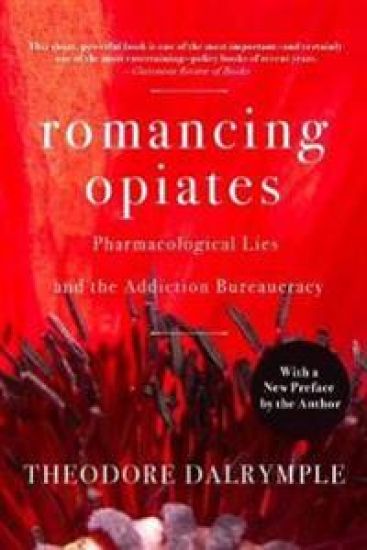
Theodore Dalrymple believes that almost everything people know about opiate addiction is wrong. Most flawed of all is the notion that addicts are in touch with profound mysteries of which non-addicts are ignorant. Dalrymple shows that doctors, psychologists and social workers, all of them uncritically accepting addicts' descriptions of addiction, have employed literary myths (drugs are creative and intense) in constructing an equal and opposite myth of quasi-treatment. Using evidence from literature and pharmacology and drawing on examples from his own clinical experience, Dalrymple shows that addiction is not a disease, but a response to personal and existential problems. He argues that withdrawal from opiates is not the serious medical condition, but a relatively trivial experience and says that criminality causes addiction far more often than addiction causes criminality.
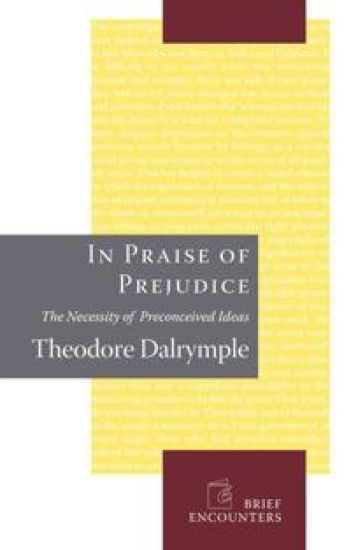
Today, the word prejudice has come to seem synonymous with bigotry; therefore the only way a person can establish freedom from bigotry is by claiming to have wiped his mind free from prejudice. English psychiatrist and writer Theodore Dalrymple shows that freeing the mind from prejudice is not only impossible, but entails intellectual, moral and emotional dishonesty. The attempt to eradicate prejudice has several dire consequences for the individual and society as a whole.
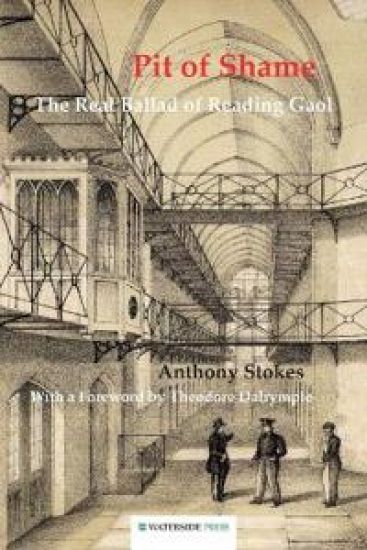
Wilde's Ballad of Reading Gaol, his last work for publication in 1898 is known the world over for its insight and telling phrases, such as 'bricks of shame', 'souls in pain' and 'that little tent of blue, that prisoners call the sky'. Possibly the greatest and most influential artistic work in terms of penal reform and conveying to outsiders the soul desolate nature and experience of imprisonment, the ballad crystalises the degradation, isolation, fear, introspection and sense of loss involved. This new book also looks at the ballad from a fresh perspective: that of a serving prison officer who has spent a substantial part of his career inside the very prison that Wilde wrote about - noting on a daily basis connections between its fabric, the prison system and the ballad as well as with the town of Reading. The result is a fine work that casts new light on Wilde's incarceration, suggests a number of fresh explanations for some lines of the ballad and puts forward an until now unpublished explanation as to why Reading was chosen for Wilde. Indicative of this approach, Anthony Stokes explains why even C.3.3 is not what it seems, why certain lines in the ballad have been misunderstood by 'experts' given the context and times. But Anthony Stoke's book is much more than this. Based on minute research over more than ten years it traces the history of "Reading Gaol" from early times to the present day, dealing with its role as a bridewell, local prison and today one that carries out ground-breaking work with young offenders. There are also chapters on its use as a place of internment for Irish Republicans in the wake of the Easter Rising, as a top secret Correctional Centre for Canadian troops serving in England during World War II, escape attempts, riots and the executions that took place at Reading over the years including during the time when James Marwood (the inventor of the 'long drop') officiated; much of this based on official records and Execution Log. There are also notes on other interesting prisoners ranging from the notorious Reading baby farmer Amelia Dyer to the Hollywood TV and movie actor, Stacey Keach. But above all it is Oscar Wilde and the "Ballad of Reading Goal" that permeate and inform this book as the author seeks to combine information about the prison with frequently telling explanations that all too often converge with the more universal nerve that was touched upon by one of England's greatest creative minds - making "Pit of Shame" a book for every Wilde afficionado, penal reformer and student of English literature. With a special 16 page collection of illustrations charting life in "Reading Gaol" and of some of its prisoners.
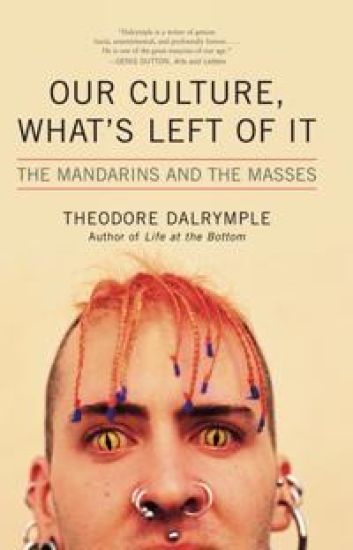
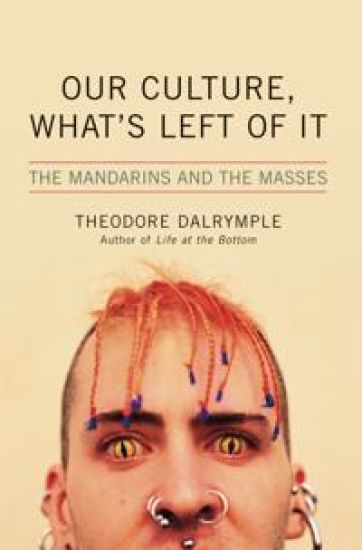
This new collection of essays by the author of Life at the Bottom bears the unmistakable stamp of Theodore Dalrymple's bracingly clearsighted view of the human condition. It suggests comparison with the work of George Orwell. In these twenty-six pieces, Dr. Dalrymple ranges over literature and ideas, from Shakespeare to Marx, from the breakdown of Islam to the legalization of drugs. Informed by years of medical practice in a wide variety of settings, his acquaintance with the outer limits of human experience allows him to discover the universal in the local and the particular, and makes him impatient with the humbug and obscurantism that have too long marred our social and political life. As in Life at the Bottom, his essays are incisive yet undogmatic, beautifully composed and devoid of disfiguring jargon. Our Culture, What's Left of It is a book that restores our faith in the central importance of literature and criticism to our civilization.
This new collection of essays by the author of Life at the Bottom bears the unmistakable stamp of Theodore Dalrymple's bracingly clearsighted view of the human condition. In these pieces, Dr. Dalrymple ranges over literature and ideas, from Shakespeare to Marx, from the breakdown of Islam to the legalization of drugs. Here is a book that restores our faith in the central importance of literature and criticism to our civilization. Theodore Dalrymple is the best doctor-writer since William Carlos Williams. —Peggy Noonan. Includes When Islam Breaks Down, named the best journal article of 2004 by David Brooks of the New York Times.
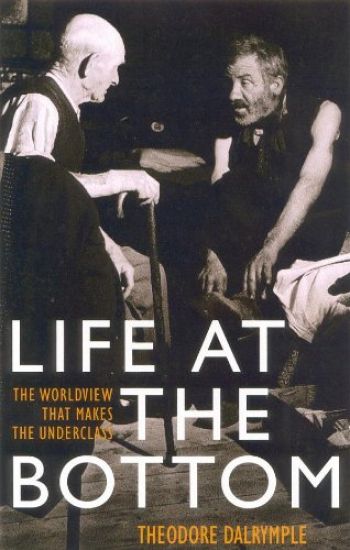
Here is a searing account-probably the best yet published-of life in the underclass and why it persists as it does. Theodore Dalrymple, a British psychiatrist who treats the poor in a slum hospital and a prison in England, has seemingly seen it all. Yet in listening to and observing his patients, he is continually astonished by the latest twist of depravity that exceeds even his own considerable experience. Dalrymple's key insight in Life at the Bottom is that long-term poverty is caused not by economics but by a dysfunctional set of values, one that is continually reinforced by an elite culture searching for victims. This culture persuades those at the bottom that they have no responsibility for their actions and are not the molders of their own lives. Drawn from the pages of the cutting-edge political and cultural quarterly City Journal, Dalrymple's book draws upon scores of eye-opening, true-life vignettes that are by turns hilariously funny, chillingly horrifying, and all too revealing-sometimes all at once. And Dalrymple writes in prose that transcends journalism and achieves the quality of literature.