Kirjojen hintavertailu – 12 859 824 kirjaa ja 27 kauppaa

Kirjailija

Theodore Leuenberger

Kirjat ja teokset yhdessä paikassa: 3 kirjaa, julkaisuja vuosilta 2025–2026, suosituimpiin kuuluu Weather and Climate Science Education for Grades 3–12. Vertaile teosten hintoja ja tarkista saatavuus suomalaisista kirjakaupoista.

3 kirjaa

Kirjojen julkaisuvuodet: 2025–2026.

Weather and Climate Science Education for Grades 3–12

Weather and Climate Science Education for Grades 3–12

Natalie J. Carroll; Theodore Leuenberger; Gretchen Leuenberger

Purdue Scholarly Publishing Services
2026
nidottu
What's the weather today? People are interested in the weather so they can plan their day, determine what they should wear, if they should venture outside, when and where to vacation, and many other tasks. Gardeners and farmers need to understand both weather and climate to decide what and where to plant, and how best to take care of their animals. Homeowners also need to understand typical climate conditions, allowing them to determine which flowers and shrubs to plant on their properties. It also tells them what kind of insulation, furnace, and air conditioner to install. And when stormy weather is predicted, people need to be prepared. It is important that they know how to be safe in dangerous weather. The first level of Weather and Climate Science Education for Grades 3–12 introduces basic weather words and ideas. These activities focus on understanding the weather around you. Readers will also begin to learn the difference between weather and climate, and how these ideas are related. The second level introduces readers to more complex weather topics. They will learn about air pressure, winds, humidity, and fronts. The third level delves more deeply into weather and climate science. This level will help prepare readers to understand weather all through their lifetimes. The final section, the Facilitator's Guide, provides answers to the youth activities as well as information about Next Generation Science Standards.
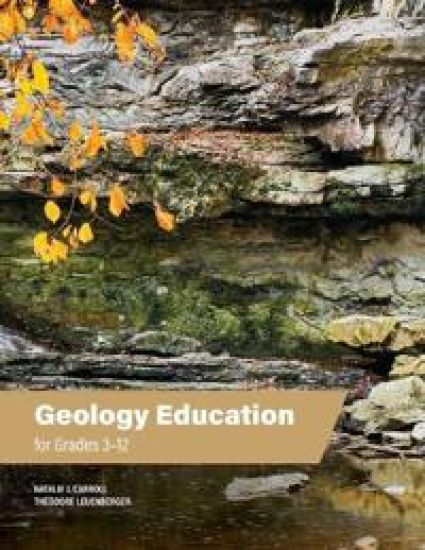
Geology Education for Grades 3–12

Geology Education for Grades 3–12

Natalie J. Carroll; Theodore Leuenberger

Purdue Scholarly Publishing Services
2026
nidottu
Geology Education for Grades 3–12 guides and encourages youth to learn about the geological processes occurring all around them. Level 1 introduces basic terms and concepts, and is intended for youth in grades 3–5. Activities focus on understanding important topics such as the rock cycle, rock textures, and crystal formation. Designed for students in grades 6–8, Level 2 offers readers more concrete examples of advanced geological concepts, including fossilization, mineral formation, and rock classification. The exercises in Level 3, which is geared toward grades 9–12, includes additional information on the Earth's varied landscapes, a variety of geological events, and the need for environmental regulation. It also prepares readers who may be interested in studying these topics at postsecondary institutions. The final section presented in Geology Education for Grades 3–12, the facilitator's guide, provides answers to the youth activities as well as tips about working with the next generation of geologists in the field.
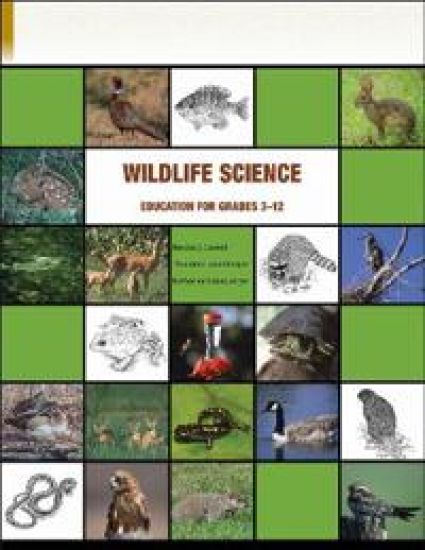
Wildlife Science Education for Grades 3-12

Wildlife Science Education for Grades 3-12

Natalie J. Carroll; Theodore Leuenberger; Katherine Leuenberger

Purdue Scholarly Publishing Services
2025
nidottu
Wildlife Science Education for Grades 3–12 guides and encourages youth to learn about the wildlife around them. The first section introduces the basic wildlife groups to youth in upper elementary school using hands-on and other activity-based learning techniques. Young learners will understand the similarities and differences between mammals, birds, fish, and herptiles. The activities for middle schoolers expand the study to interactions within and between them. The lessons for high school students are based on topics of importance to homeowners, residents of a watershed, food and fiber producers (farmers), mayors, teachers, and policy makers. This section delves deeper into the study of wildlife and will help prepare students to study these topics at the college or university level. This final section is intended for adults who work with youth. It includes suggestions about instructing youth, next-generation science standards, and answers to questions asked in sections 1–3.