Kirjojen hintavertailu – 12 903 724 kirjaa ja 27 kauppaa

Kirjailija

Thilo Deckersbach

Kirjat ja teokset yhdessä paikassa: 4 kirjaa, julkaisuja vuosilta 2008–2014, suosituimpiin kuuluu Managing Tourette Syndrome. Vertaile teosten hintoja ja tarkista saatavuus suomalaisista kirjakaupoista.

4 kirjaa

Kirjojen julkaisuvuodet: 2008–2014.

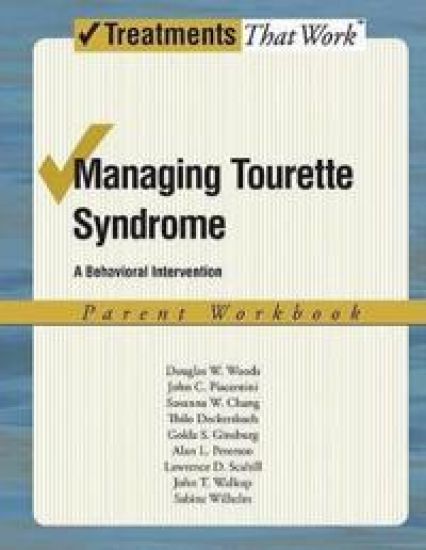
Managing Tourette Syndrome

Managing Tourette Syndrome

Douglas W Woods; John Piacentini; Susanna Chang; Thilo Deckersbach; Golda Ginsburg; Alan Peterson; Lawrence D Scahill; John Walup; Sabine Wilhelm

Oxford University Press Inc
2008
nidottu

Halvin toimitettuna 40,90 €

In 2002, the Tourette Syndrome Association formed the TS Behavioral Sciences Consortium (BSC). The charge of the BSC was to develop and test nonpharmacological treatment options for individuals, both children and adults with Tourette Syndrome. This manual is the result of their work, and represents the most scientifically effective behavioral treatment for Tourette Syndrome available today. The treatment program uses Habit Reversal Training (HRT) for children and adults with chronic tic disorder. Individual treatment is based at its core on awareness training, the development of a specific competing response for each tic, and the use of functionally-based strategies for the elimination of tic-exacerbating antecedent and consequent variables. In addition, individual treatment includes techniques designed to enhance patient compliance, including social support and an inconvenience review, as well as scheduled time for the therapist and client to discuss areas of functioning that individuals with TS may find difficult, such as social/familial difficulties and disruptive anger/rage behavior. Each week, clients are given homework assignments, to be done 4-5 times per week, consisting of 20 to 30 minutes of awareness and competing response training to tics addressed in session. The client will be encouraged to keep tally marks to monitor tic behavior. Home-based monitoring and competing response training are reviewed at each session. All homework assignments will be available in this companion workbook.

Mindfulness-Based Cognitive Therapy for Bipolar Disorder

Mindfulness-Based Cognitive Therapy for Bipolar Disorder

Thilo Deckersbach; Britta Holzel; Lori Eisner; Sara W. Lazar; Andrew A. Nierenberg

Guilford Press
2014
sidottu
Grounded in current knowledge about bipolar disorder and its treatment, this book presents an empirically supported therapy program with step-by-step guidelines for implementation. Mindfulness-based cognitive therapy (MBCT) for bipolar disorder is specifically designed for clients who have experienced many mood episodes and who struggle with chronic, pervasive depressive and residual manic symptoms. The authors provide everything needed to conduct the 12 weekly group sessions, which are supplemented by regular individual sessions. Reproducible tools include 29 client handouts and an Instructor Checklist. Purchasers get access to a companion website featuring downloadable audio recordings of the guided mindfulness practices (meditations and mindful movement), plus the reproducible materials, ready to download and print in a convenient 8 1/2 x 11 size. A separate website for use by clients features the audio recordings only.
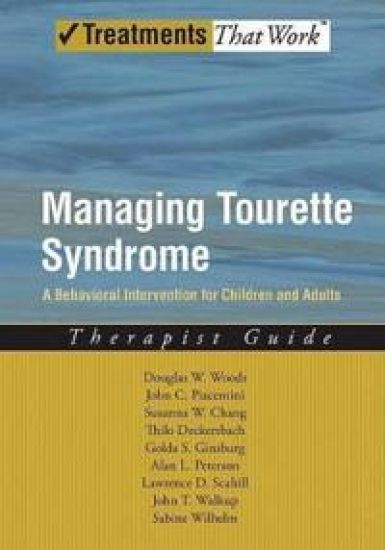
Managing Tourette Syndrome

Managing Tourette Syndrome

Douglas W Woods; John Piacentini; Susanna Chang; Thilo Deckersbach; Golda Ginsburg; Alan Peterson; Lawrence d Scahill; John T Walkup; Sabine Wilhelm

Oxford University Press Inc
2008
nidottu
In 2002, the Tourette Syndrome Association formed the TS Behavioral Sciences Consortium (BSC). The charge of the BSC was to develop and test nonpharmacological treatment options for individuals, both children and adults with Tourette Syndrome. This manual is the result of their work, and represents the most scientifically effective behavioral treatment for Tourette Syndrome available today. The treatment program uses Habit Reversal Training (HRT) for children and adults with chronic tic disorder. Individual treatment is based at its core on awareness training, the development of a specific competing response for each tic, and the use of functionally-based strategies for the elimination of tic-exacerbating antecedent and consequent variables. In addition, individual treatment includes techniques designed to enhance patient compliance, including social support and an inconvenience review, as well as scheduled time for the therapist and client to discuss areas of functioning that individuals with TS may find difficult, such as social/familial difficulties and disruptive/anger/rage behavior. Each week, clients are given homework assignments, to be done 4-5 times per week, consisting of 20 to 30 minutes of awareness and competing response training to tics addressed in session. The client will be encouraged to keep tally marks to monitor tic behavior. Home-based monitoring and competing response training are reviewed at each session. All homework assignments will be available in the companion workbook.
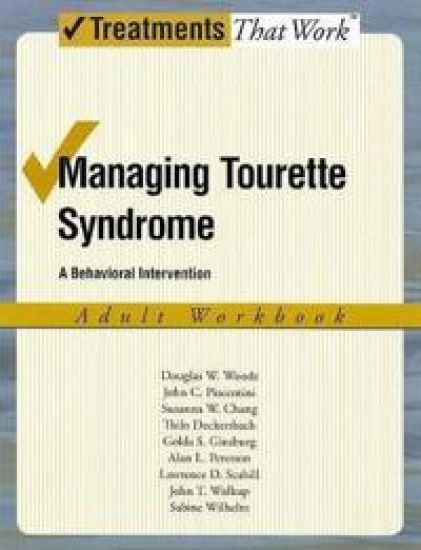
Managing Tourette Syndrome

Managing Tourette Syndrome

Douglas W Woods; John Piacentini; Susanna Chang; Thilo Deckersbach; Golda Ginsburg; Alan Peterson; Lawrence D Scahill; John T Walkup; Sabine Wilhelm

Oxford University Press Inc
2008
nidottu

Halvin toimitettuna 62,50 €

In 2002, the Tourette Syndrome Association formed the TS Behavioral Sciences Consortium (BSC). The charge of the BSC was to develop and test nonpharmacological treatment options for individuals, both children and adults with Tourette Syndrome. This manual is the result of their work, and represents the most scientifically effective behavioral treatment for Tourette Syndrome available today. The treatment program uses Habit Reversal Training (HRT) for children and adults with chronic tic disorder. Individual treatment is based at its core on awareness training, the development of a specific competing response for each tic, and the use of functionally-based strategies for the elimination of tic-exacerbating antecedent and consequent variables. In addition, individual treatment includes techniques designed to enhance patient compliance, including social support and an inconvenience review, as well as scheduled time for the therapist and client to discuss areas of functioning that individuals with TS may find difficult, such as social/familial difficulties and disruptive/anger/rage behavior. Each week, clients are given homework assignments, to be done 4-5 times per week, consisting of 20 to 30 minutes of awareness and competing response training to tics addressed in session. The client will be encouraged to keep tally marks to monitor tic behavior. Home-based monitoring and competing response training are reviewed at each session. All homework assignments will be available in the companion workbook.