Kirjojen hintavertailu – 12 903 742 kirjaa ja 27 kauppaa

Kirjailija

Thomas Arentzen

Kirjat ja teokset yhdessä paikassa: 5 kirjaa, julkaisuja vuosilta 2017–2026, suosituimpiin kuuluu The Gospel of Trees. Vertaile teosten hintoja ja tarkista saatavuus suomalaisista kirjakaupoista.

5 kirjaa

Kirjojen julkaisuvuodet: 2017–2026.

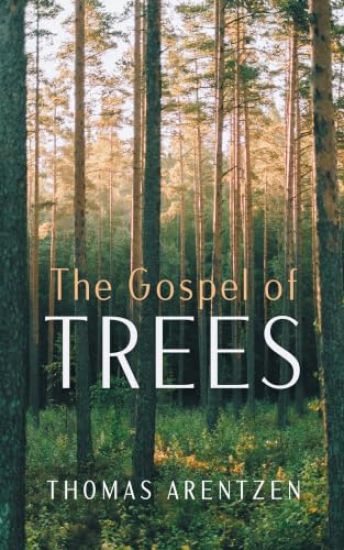
Trærnes evangelium

Trærnes evangelium

Thomas Arentzen

Verbum
2024
sidottu
Mennesker og trær har alltid hatt et nært fellesskap. Hva er det med trær, og hva har de med oss å gjøre? Historiker og teolog Thomas Arentzen oppsøker skoger, klatrer i trær, leser bibelske tekster og dykker ned i historiske kilder. Han finner mennesker som søker trær, men også trær som våker over mennesker. Trærnes evangelium er et essay om et landskap som på samme tid er hverdagslig og fantastisk. Forfatteren utfordrer oss til en tre-vendt holdning og til å tenke annerledes om ikke-menneskelige skapninger på jorda. Sitat Arentzen: "Selv om vi kan virke ulike, slekter vi på trærne. De vedkommer oss. Ikke bare som plank. Vi deler halvparten av arvestoffet vårt med dem. De er mer enn ved, slik vi er mer enn vev."
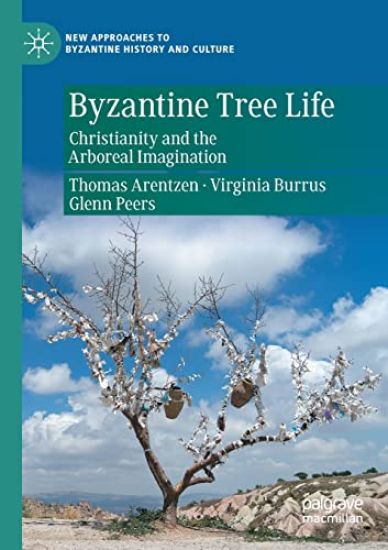
Byzantine Tree Life

Byzantine Tree Life

Thomas Arentzen; Virginia Burrus; Glenn Peers

Springer Nature Switzerland AG
2022
nidottu
This book examines the many ways Byzantines lived with their trees. It takes seriously theological and hagiographic tree engagement as expressions of that culture’s deep involvement—and even fascination—with the arboreal. These pages tap into the current attention paid to plants in a wide range of scholarship, an attention that involves the philosophy of plant life as well as scientific discoveries of how communicative trees may be, and how they defend themselves. Considering writings on and images of trees from Late Antiquity and medieval Byzantium sympathetically, the book argues for an arboreal imagination at the root of human aspirations to know and draw close to the divine.
Byzantine Tree Life

Byzantine Tree Life

Thomas Arentzen; Virginia Burrus; Glenn Peers

Springer Nature Switzerland AG
2021
sidottu
This book examines the many ways Byzantines lived with their trees. It takes seriously theological and hagiographic tree engagement as expressions of that culture’s deep involvement—and even fascination—with the arboreal. These pages tap into the current attention paid to plants in a wide range of scholarship, an attention that involves the philosophy of plant life as well as scientific discoveries of how communicative trees may be, and how they defend themselves. Considering writings on and images of trees from Late Antiquity and medieval Byzantium sympathetically, the book argues for an arboreal imagination at the root of human aspirations to know and draw close to the divine.
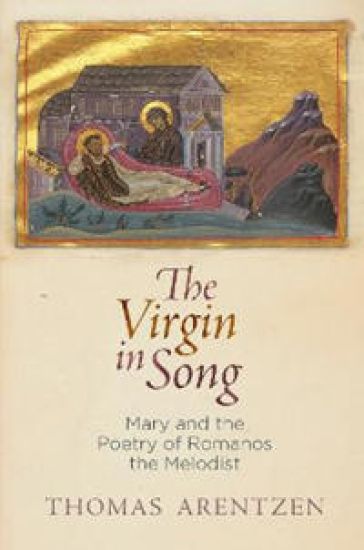
The Virgin in Song

The Virgin in Song

Thomas Arentzen

University of Pennsylvania Press
2017
sidottu
According to legend, the Virgin appeared one Christmas Eve to an artless young man standing in one of Constantinople's most famous Marian shrines. She offered him a scroll of papyrus with the injunction that he swallow it, and following the Virgin's command, he did so. Immediately his voice turned sweet and gentle as he spontaneously intoned his hymn "The Virgin today gives birth." So was born the career of Romanos the Melodist (ca. 485-560), one of the greatest liturgical poets of Byzantium, author of at least sixty long hymns, or kontakia, that were chanted during the night vigils preceding major feasts and festivals. In The Virgin in Song, Thomas Arentzen explores the characterization of Mary in these kontakia and the ways in which the kontakia echoed the cult of the Virgin. He focuses on three key moments in her story as marked in the liturgical calendar: her encounter with Gabriel at the Annunciation, her child's birth at Christmas, and the death of her son on Good Friday. Consistently, Arentzen contends, Romanos counters expectations by shifting emphasis away from Christ himself to focus on Mary-as the subject of the erotic gaze, as a breastfeeding figure of abundance and fertility, and finally as an authoritatively vocal woman who conveys the secrets of her son and the joys of the resurrection. Through his hymns, Romanos inspired an affective relationship between Mary and his audience, bringing the human and the holy into dialogue. By plumbing her emotional depths, the poet traces her process of understanding as she apprehends the mysteries that she embodies. By giving her a powerful voice, he grants subjectivity to a maiden who becomes a mediator. Romanos shaped a figure, Arentzen argues, who related intimately to her flock in a formative period of Christian orthodoxy.