Kirjojen hintavertailu – 12 859 829 kirjaa ja 27 kauppaa
Kirjailija
Thomas Armstrong
Kirjat ja teokset yhdessä paikassa: 23 kirjaa, julkaisuja vuosilta 1997–2025, suosituimpiin kuuluu A Practical Introduction To English Composition, Part 2 (1853). Vertaile teosten hintoja ja tarkista saatavuus suomalaisista kirjakaupoista.
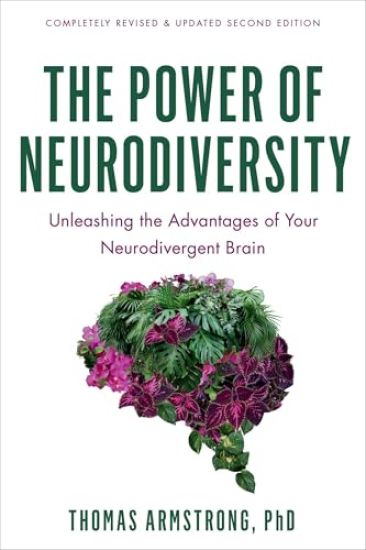
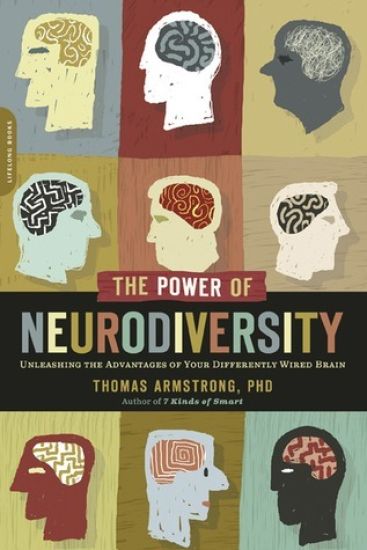
Bestselling author and psychologist Thomas Armstrong's exploration and celebration of neurodivergence, completely revised with the most up-to-date research and insights. From ADHD and dyslexia to autism, the number of diagnosis categories listed by the American Psychiatric Association has tripled in the last fifty years. With so many people affected, it is time to revisit our perceptions of people with disabilities. Bestselling author, psychologist, and educator Thomas Armstrong illuminates a new understanding of neuropsychological disorders. He argues that if they are a part of the natural diversity of the human brain, they cannot simply be defined as illnesses. Armstrong explores the evolutionary advantages, special skills, and other positive dimensions of these conditions, including: autism, ADHD, dyslexia, schizophrenia, anxiety, intellectual disabilities, and mood disorders. With an emphasis on positive niche construction for each area, The Power of Neurodiversity is a manifesto as well as a keen look at disability, as well as a must-read for parents, teachers, and anyone who is looking to learn more about neurodivergence.
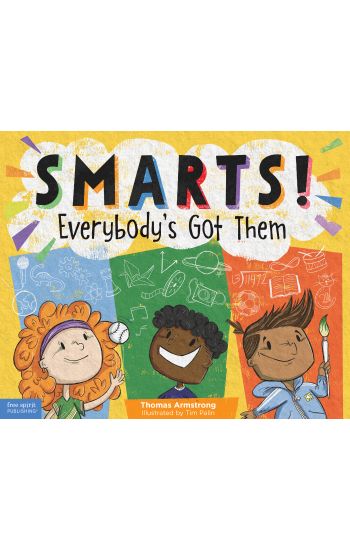
An imaginative picture book that defines eight ways everyone is smart and shows how to get smarter in each way.? It’s easy for kids to get dejected and believe they’re not as smart as the people around them. Maybe they got a low grade on their math test last week, or maybe they have a difficult time making new friends, but what kids may not realize is that math skills and people skills are just two types of smarts. There are actually eight types of smarts: Word smartsMusic smartsNumber smartsPicture smartsBody smartsPeople smartsSelf smartsNature smartsSmarts! Everybody’s Got Them vividly explains and depicts the eight ways that everyone is smart and shows kids how they can get better at each one—even when they make a mistake.
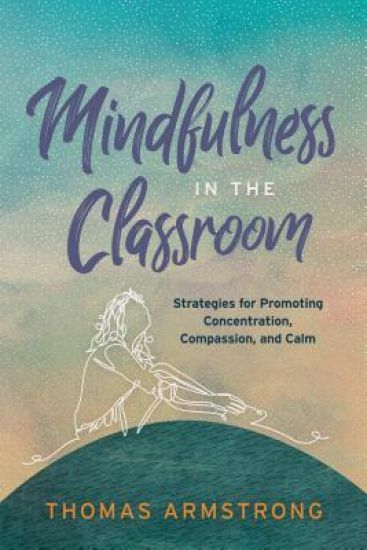
In today's schools, students and teachers feel unprecedented—even alarming—levels of stress. How can we create calmer classrooms in which students concentrate better and feel more positive about themselves and others? Author Thomas Armstrong offers a compelling answer in the form of mindfulness, a secular practice he defines as the intentional focus of one's attention on the present moment in a nonjudgmental way. In Mindfulness in the Classroom, Armstrong:Explains how mindfulness affects the structure and function of the brain. Provides an overview of mindfulness as both a personal practice and a classroom methodology that aligns with such educational models as Social and Emotional Learning (SEL), Positive Behavioral Intervention and Supports (PBIS), and Universal Design for Learning (UDL). Shares and explains the extensive research that shows the positive effects of mindfulness practices in the classroom. Describes how to adapt mindfulness for different grade levels, integrate it into regular school subjects, and implement it schoolwide. Offers guidelines for teaching mindfulness responsibly, without religious overtones. Dozens of observations from teachers, students, researchers, and practitioners provide striking evidence of the power of mindfulness and offer hope to anyone who wants to make classrooms more productive places of learning.
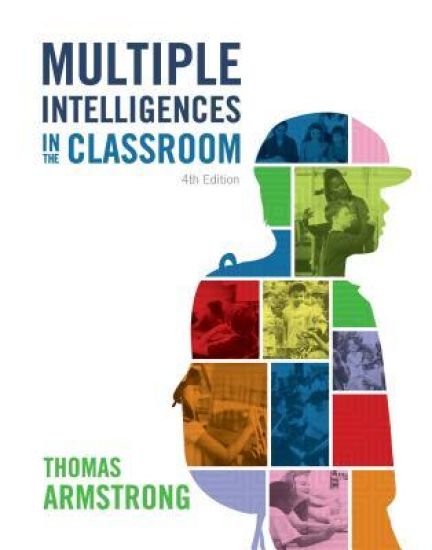
In the decades since it was first introduced, Howard Gardner's multiple intelligences (MI) theory has transformed how people think about learning the world over. Educators using the theory have achieved remarkable success in helping all students, including those who learn in nontraditional ways, to navigate school (and life outside it) with confidence and success. Within the context of classroom instruction, no author besides Gardner has done more to popularize MI theory than Thomas Armstrong, whose best seller Multiple Intelligences in the Classroom has become a bona fide education classic in its own right. This expanded fourth edition provides educators at all levels with everything they need to apply MI theory to curriculum development, lesson planning, assessment, special education, cognitive skills, career development, educational policy, and more. In addition to the many strategies, templates, and examples that have made Armstrong's book so enduringly popular, this edition is updated to examine how emerging neurodiversity research, trends toward greater instructional personalization, and rapidly evolving virtual learning tools have affected the use of MI theory to enhance student achievement. It also includes brand-new lesson plans aligned to nationwide standards and a revised list of resources for further study.
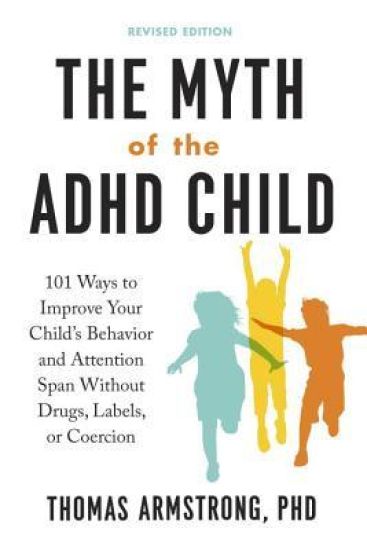
A fully revised and updated edition of the groundbreaking book on tackling the root causes of children's attention and behavior problems rather than masking the symptoms with medication. More than twenty years after Dr. Thomas Armstrong's Myth of the A. D. D. Child first published, he presents much needed updates and insights in this substantially revised edition. When The Myth of the A. D. D. Child was first published in 1995, Dr. Thomas Armstrong made the controversial argument that many behaviors labeled as ADD or ADHD are simply a child's active response to complex social, emotional, and educational influences. In this fully revised and updated edition, Dr. Armstrong shows readers how to address the underlying causes of a child's attention and behavior problems in order to help their children implement positive changes in their lives. The rate of ADHD diagnosis has increased sharply, along with the prescription of medications to treat it. Now needed more than ever, this book includes fifty-one new non-drug strategies to help children overcome attention and behavior problems, as well as updates to the original fifty proven strategies.
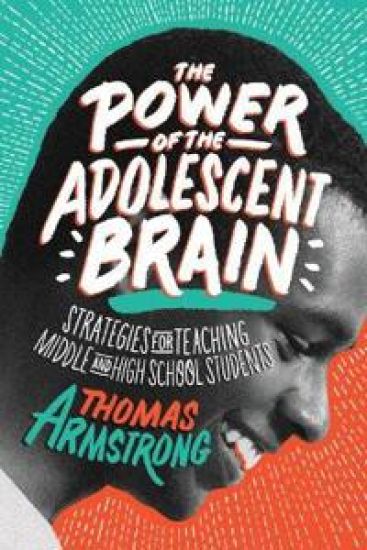
Moody. Reckless. Impractical. Insecure. Distracted. These are all words commonly used to describe adolescents. But what if we recast these traits in a positive light? Teens possess insight, passion, idealism, sensitivity, and creativity in abundance—all qualities that can make a significant positive contribution to society. In this thought-provoking book, Thomas Armstrong looks at the power and promise of the teenage brain from an empathetic, strength-based perspective—and describes what middle and high school educators can do to make the most of their students' potential. Thoroughly grounded in current neuroscience research, the book explains what we know about how the adolescent brain works and proposes eight essential instructional elements that will help students develop the ability to think, make healthy choices, regulate their emotions, handle social conflict, consolidate their identities, and learn enough about the world to move into adulthood with dignity and grace. Armstrong provides practical strategies and real-life examples from schools that illustrate these eight key practices in action. In addition, you'll find a glossary of brain terms, a selection of brain-friendly lesson plans across the content areas, and a list of resources to support and extend the book's ideas and practices. There is a colossal mismatch between how the adolescent brain has evolved over the millennia and the passive, rote learning experiences that are all too common in today's test-obsessed educational climate. See the amazing difference—in school and beyond—when you use the insights from this book to help students tap into the power of their changing brains.
The title of "Why Cats Hates Birds" very much reflects the collection's themes. Are we trapped by our nature? And what is our understanding of nature? What is black and white, straight and gay, reality and fantasy, Canadian and Barbadian? The stories in "Why Cats Hate Birds" are Armstrong's way of saying that such distinctions are not natural but of our own construction. The work spans the length of Armstrong's writing career. The earliest, 'Flying in God's Face, ' which inspired his novel "Of Water" and Rock, is set in the 1960's, though the majority take place in a today familiar to us all. Three stories in particular are linked by the character Charles Blackette: 'Kingdom of Fools, ' 'Invention' and 'Blood is Thick.' They explore Blackette's life as a black man who battles his notion of self. But, at heart, all the stories in "Why Cats Hate Birds," perceptive, resonant, emotionally honest, are an attempt to break those silos that separate us, and make us realize that other people's stories are our stories.
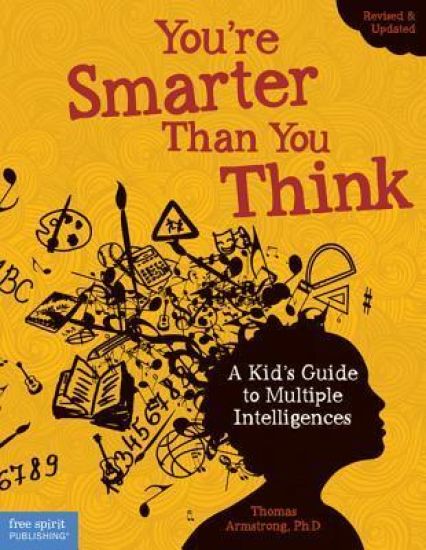
Howard Gardner’s theory of multiple intelligences has revolutionized the way we think about being smart. Written by an award-winning expert on the topic, this book introduces the theory, explains the different types of intelligences (like Word Smart, Self Smart, Body Smart), and helps kids identify their own learning strengths and use their special skills at school, at home, and in life. As kids read the book, they stop asking “How smart am I?” and start asking “How am I smart?” This powerful learning tool is recommended for all kids—and all adults committed to helping young people do and be their best. Resources describe related books, software, games, and organizations. This revised and updated edition includes information on a newly researched ninth intelligence, Life Smart—thinking about and asking questions about life, the universe, and spirituality.
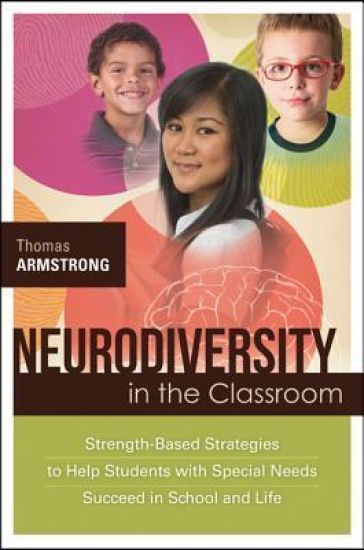
A new concept on human diversity has emerged over the past 10 years that promises to revolutionize the way educators provide services to students with special needs: neurodiversity. Just as we celebrate diversity in nature and cultures, so too do we need to honor the diversity of brains among our students who learn, think, and behave differently. In Neurodiversity in the Classroom, best-selling author Thomas Armstrong argues that we should embrace the strengths of such neurodiverse students to help them and their neurotypical peers thrive in school and beyond. This innovative book focuses on five categories of special needs: learning disabilities, attention deficit hyperactivity disorder, autism, intellectual disabilities, and emotional and behavioral disorders. For each category, Armstrong provides an in-depth discussion of:The positive attributes associated with that category. Acclaimed neurodiverse adults who have excelled in their chosen fields. Computer programs and applications that allow students with special needs to overcome obstacles and achieve success. Rich networks of human resources both inside and outside of school that educators can draw upon to support the social and emotional lives of neurodiverse students. Innovative learning strategies that are tailored to each student's unique strengths. Future career paths for which a student's particular gifts might be a good fit. Modifications in the school environment that allow for seamless inclusion of neurodiverse students in the regular classroom. Timely information about how to integrate the strategies and assessments for each category with the Common Core State Standards. It's time that we focused on celebrating rather than pathologizing our students with special needs so that they can fully realize their potential in school and life. This practical and thought-provoking book will inspire teachers and administrators everywhere to make sure that all students with special needs get the support and strength-based instruction they deserve.
ADHD. dyslexia. autism. the number of illness categories listed by the American Psychiatric Association has tripled in the last fifty years. With so many people affected, it is time to revisit our perceptions on this "culture of disabilities." Bestselling author, psychologist, and educator Thomas Armstrong illuminates a new understanding of neuropsychological disorders. He argues that if they are a part of the natural diversity of the human brain, they cannot simply be defined as illnesses. Armstrong explores the evolutionary advantages, special skills, and other positive dimensions of these conditions. A manifesto as well as a keenly intelligent look at "disability," The Power of Neurodiversity is a must for parents, teachers, and anyone who is "differently brained."
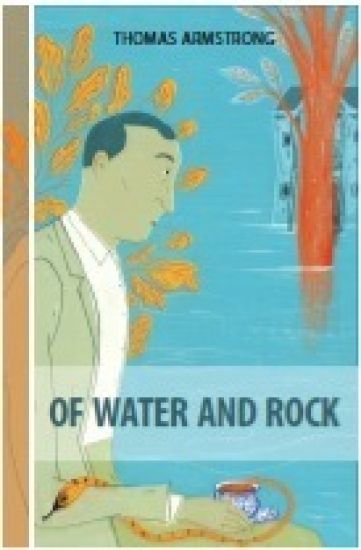
Of Water and Rock derives its power from the basic human need for connectedness and belonging. When Torontonian Edward Hamblin steps off the plane in Barbados, in the winter of 1969, he crosses more than the tarmac at Seawell Airport. As he navigates the island's racial and cultural boundaries, he leaves behind an empty life of comfort and discovers a vibrant world of simple beauty, an undiscovered family, and reconciliation with the memory of a long dead father. Powerful converging themes give the novel an emotional strength: Edward Hamblin's immesion into the post-colonial culture of Barbados; his unresolved animosity towards his long dead Barbadian father who deserted his family when he was young; the poor black peasant farmer, Sissy Braithwaite, and her unrequited love for an abandoned daughter; the wealthy white Mary Collymore's disconnected life of privilege and racial intolerance. After Sissy's death, when Edward discovers his Great Aunt's diary, the apparently disconnected threads are drawn together. As well as revealing the true relationships between the protagonists, Edward hears his father's voice, comes to understand and pity the man that he has for so long despised, and resolves to unite his newly discovered family in a way his father never could.
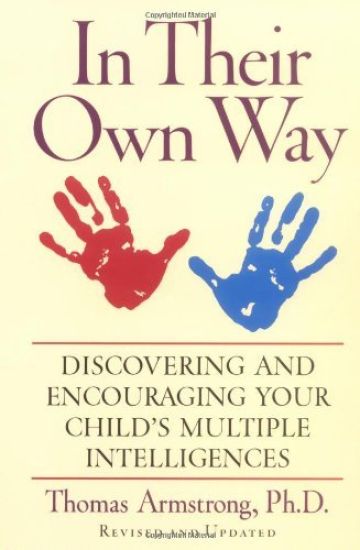
Does your child have a favorite subject, activity, or hobby? Children learn in multiple ways, and educator Thomas Armstrong has shown hundreds of thousands of parents and teachers how to locate those unique areas in each of our children where learning and creativity seem to flow with special vigor. In this fully updated classic on multiple intelligences, Armstrong sheds new light on the "eight ways to bloom," or the eight kinds of "multiple intelligences." While everyone possesses all eight intelligences, Armstrong delineates how to discover your child's particular areas of strength among them. The book shatters the conventional wisdom that brands our students as "underachievers," "unmotivated," or as suffering from "learning disabilities," "attention deficit hyperactivity disorder," or other "learning diseases." Armstrong explains how these flawed labels often overlook students who are in possession of a distinctive combination of multiple intelligences, and demonstrates how to help them acquire knowledge and skills according to their sometimes extraordinary aptitudes. Filled with resources for the home and classroom, this new edition of In Their Own Way offers inspiration for every learning situation.
Based on psychologist Howard Gardner's pioneering theory of "multiple intelligences," the original edition of 7 Kinds of Smart identified seven distinct ways of being smart, including "word smart," "music smart," "logic smart," and "people smart." Now, with the addition of two new kinds of smart--"naturalist" and "existential"--7 Kinds of Smart offers even more interesting information about how the human psyche functions. Complete with checklists for determining one's strongest and weakest intelligences, exercises, practical tips for developing each type of smart, a revised bibliography for further reading, and a guide to related Internet sites, this book continues to be an essential resource, offering cutting-edge research for general consumption.