Kirjojen hintavertailu – 12 859 829 kirjaa ja 27 kauppaa

Kirjailija

Thomas C. Brickhouse

Kirjat ja teokset yhdessä paikassa: 6 kirjaa, julkaisuja vuosilta 1990–2012, suosituimpiin kuuluu Routledge Philosophy GuideBook to Plato and the Trial of Socrates. Vertaile teosten hintoja ja tarkista saatavuus suomalaisista kirjakaupoista.

6 kirjaa

Kirjojen julkaisuvuodet: 1990–2012.

Socratic Moral Psychology

Socratic Moral Psychology

Thomas C. Brickhouse; Nicholas D. Smith

Cambridge University Press
2012
pokkari
Socrates' moral psychology is widely thought to be 'intellectualist' in the sense that, for Socrates, every ethical failure to do what is best is exclusively the result of some cognitive failure to apprehend what is best. Until publication of this book, the view that, for Socrates, emotions and desires have no role to play in causing such failure went unchallenged. This book argues against the orthodox view of Socratic intellectualism and offers in its place a comprehensive alternative account that explains why Socrates believed that emotions, desires and appetites can influence human motivation and lead to error. Thomas C. Brickhouse and Nicholas D. Smith defend the study of Socrates' philosophy and offer an alternative interpretation of Socratic moral psychology. Their novel account of Socrates' conception of virtue and how it is acquired shows that Socratic moral psychology is considerably more sophisticated than scholars have supposed.
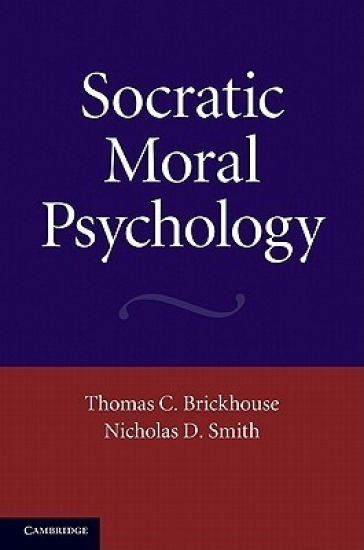
Socratic Moral Psychology

Socratic Moral Psychology

Thomas C. Brickhouse; Nicholas D. Smith

Cambridge University Press
2010
sidottu
Socrates' moral psychology is widely thought to be 'intellectualist' in the sense that, for Socrates, every ethical failure to do what is best is exclusively the result of some cognitive failure to apprehend what is best. Until publication of this book, the view that, for Socrates, emotions and desires have no role to play in causing such failure went unchallenged. This book argues against the orthodox view of Socratic intellectualism and offers in its place a comprehensive alternative account that explains why Socrates believed that emotions, desires and appetites can influence human motivation and lead to error. Thomas C. Brickhouse and Nicholas D. Smith defend the study of Socrates' philosophy and offer an alternative interpretation of Socratic moral psychology. Their novel account of Socrates' conception of virtue and how it is acquired shows that Socratic moral psychology is considerably more sophisticated than scholars have supposed.
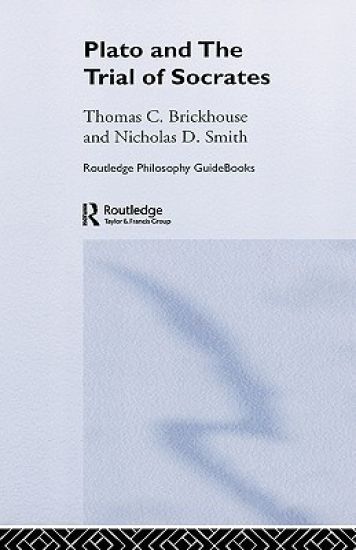
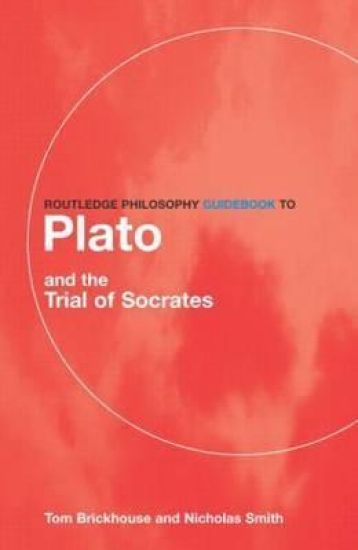
Routledge Philosophy GuideBook to Plato and the Trial of Socrates

Routledge Philosophy GuideBook to Plato and the Trial of Socrates

Thomas C. Brickhouse; Nicholas D. Smith

Routledge
2004
sidottu
Socrates is one of the most influential philosophers in western civilisation, and Plato his most famous pupil. The Euthyphro, Apology of Socrates, Crito and the death scene from the Phaedo are Plato's account of Socrates' trial and execution, and together they provide the most important depiction of Socrates' ideas. In this GuideBook, Brickhouse and Smith provide clear explanations of these texts for students coming to them for the first time. Situating the works in their historical context, the authors carefully go through each text, exploring the philosophical issues raised in an accessible way. Plato and the Trial of Socrates is the ideal introduction to both the ideas of Socrates and the work of Plato.
Routledge Philosophy GuideBook to Plato and the Trial of Socrates

Routledge Philosophy GuideBook to Plato and the Trial of Socrates

Thomas C. Brickhouse; Nicholas D. Smith

Routledge
2004
nidottu
Socrates is one of the most influential philosophers in western civilisation, and Plato his most famous pupil. The Euthyphro, Apology of Socrates, Crito and the death scene from the Phaedo are Plato's account of Socrates' trial and execution, and together they provide the most important depiction of Socrates' ideas. In this GuideBook, Brickhouse and Smith provide clear explanations of these texts for students coming to them for the first time. Situating the works in their historical context, the authors carefully go through each text, exploring the philosophical issues raised in an accessible way. Plato and the Trial of Socrates is the ideal introduction to both the ideas of Socrates and the work of Plato.
Socrates on Trial

Socrates on Trial

Thomas C. Brickhouse; Nicholas D. Smith

Clarendon Press
1991
nidottu
Brickhouse and Smith argue, contrary to virtually every modern interpretation of Plato's Apology of Socrates, that Plato's Socrates offers a sincere defence against the charges he faces. In doing so the book offers an exhaustive historical and philosophical interpretation of and commentary on Plato's Apology. The authors demonstrate that Socrates' moral and religious principles prohibit him from needlessly risking a negative vote at his trial. By providing a complete commentary, they show that each specific claim Socrates makes in the Apology can be construed as a sincere attempt to inform the jury of the truth and convince the jurors of his blamelessness. The effect of these two strategies is a novel interpretation of the Apology which sheds new light on various aspects of Socrates' life and philosophy.
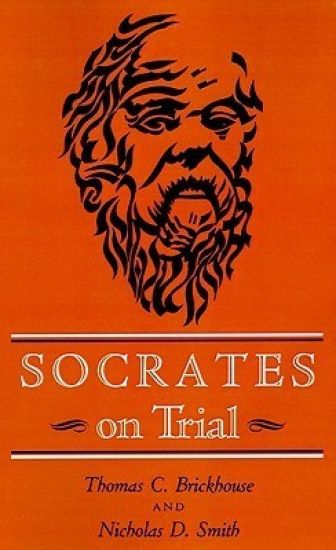
Socrates on Trial

Socrates on Trial

Thomas C. Brickhouse; Nicholas D. Smith

Princeton University Press
1990
pokkari
Thomas Brickhouse and Nicholas Smith offer a comprehensive historical and philosophical interpretation of, and commentary on, one of Plato's most widely read works, the Apology of Socrates. Virtually every modern interpretation characterizes some part of what Socrates says in the Apology as purposefully irrelevant or even antithetical to convincing the jury to acquit him at his trial. This book, by contrast, argues persuasively that Socrates offers a sincere and well-reasoned defense against the charges he faces. First, the authors establish a consensus of ancient reports about Socrates' moral and religious principles and show that these prohibit him from needlessly risking the condemnation of the jury. Second, they consider each specific claim made by Socrates in the Apology and show how each can be construed as an honest effort to inform the jurors of the truth and to convince them of his blamelessness. The arguments of this book are informed by a critical review of the scholarly literature and careful attention to the philosophy expressed in Plato's other early dialogues.