Kirjojen hintavertailu – 12 859 829 kirjaa ja 27 kauppaa
Kirjailija
Thomas Chatterton Williams
Kirjat ja teokset yhdessä paikassa: 12 kirjaa, julkaisuja vuosilta 2011–2026, suosituimpiin kuuluu Liberties Journal of Culture and Politics. Vertaile teosten hintoja ja tarkista saatavuus suomalaisista kirjakaupoista.
Elliot Ackerman; Durs Grünbein; Thomas Chatterton Williams; Anita Shapira; Adam Zagajewski; Sally Satel; R.B. Kitaj; Matthew Stephenson; Helen Vendler; David Haziza; A.E. Stallings; Paul Berman; Clara Collier; Michael Kimmage; Peg Boyers
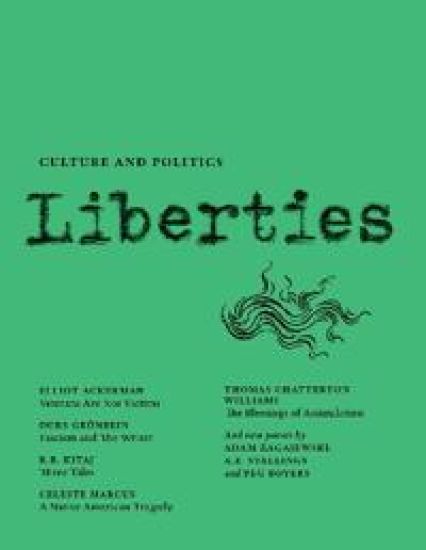
“A Meteor of Intelligent Substance” “Something was Missing in our Culture, and Here It Is” Liberties – A Journal of Culture and Politics features new essays and poetry from some of the world's best writers and artists to inspire and impact the intellectual and creative lifeblood of our current culture and today's politics. This summer issue of Liberties includes: Elliot Ackerman on Veterans Are Not Victims; Durs Grünbein on Fascism and the Writer; R. B. Kitaj’s Three Tales; Thomas Chatterton Williams on The Blessings of Assimilation; Anita Shapira on The Fall of Israel’s House of Labor; Sally Satel on Woke Medicine; Matthew Stephenson On Corruption’s Honey and Poison; Helen Vender on Wallace Stevens; David Haziza on Illusions of Immunity; Paul Berman on the Library of America; Clara Collier’s nostalgia for strong women in film; Michael Kimmage on American Inquisitions; Leon Wieseltier (editor) on the high price of Stoicism; Celeste Marcus (managing editor) on a Native American Tragedy; and new poetry from Adam Zagajewski, A. E. Stallings, and Peg Boyers.
Michael Ignatieff; Laura Kipnis; David Grossman; Ramachandra Guha; Thomas Chatterton Williams; Hannah Sullivan; Mark Lilla; Helen Vendler; Sean Wilentz; Adam Zagajewski; Louise Glück; James Wolcott; Andrea Marcolongo; Eli Lake; Sally Satel; Moshe Halbertal; Joshua Bennett; David Thomson; Julius Margolin; Clara Collier; Shawn McCreesh
Liberties - A Journal of Culture and Politics features new essays and poetry from some of today’s best writers and artists, along with introducing new talent, to inspire and impact the intellectual and creative lifeblood of culture and politics. This inaugural issue of Liberties includes: Michael Ignatieff on liberalism and the environment; Laura Kipnis cheers transgression; David Grossman on literature and peace; Ramachandra Guha on the Indian tragedy; Thomas Chatterton Williams on the real James Baldwin; Mark Lilla on the power of indifference; Helen Vendler on Yeats' The Second Coming; Sean Wilentz on abolition and American origins; Adam Zagajeweski on Gustav Mahler; James Wolcott on America’s modern Jacobins; Andrea Marcolongo on how language defines us; Eli Lake on the birth of American unexceptionalism; Sally Satel on the riddle of addiction; Moshe Halbertal on creating a democratic Jewish state; David Thomson on the wonder of Terrence Malick; Julius Margolin’s memoir confronting hatred; Clara Collier on plague literature; Shawn McCreesh’s personal look at a youthful community of addiction; new poetry from the most recent winner of the Nobel Prize in Literature, Louise Glück, Joshua Bennett, and Hannah Sullivan; and, Leon Wieseltier (editor) and Celeste Marcus (managing editor).
In this provocative book, Thomas Chatterton Williams, one of the most revered and reviled social commentators of our time, paints a clear and detailed picture of the ideas and events that have paved the way for the dramatic paradigm shift in social justice that has taken place over the past few years. Taking aim at the ideology of critical race theory, the rise of an oppressive social media, the fall from Obama to Trump, and the twinned crises of COVID-19 and the murder of George Floyd, Williams documents the extent to which this transition has altered media, artistic creativity, education, employment, policing, and, most profoundly, the ambient language and culture we use to make sense of our lives. Williams also decries how liberalism - the very foundation of an open and vibrant society - is in existential crisis, under assault from both the right and the left, especially in our predominantly networked, Internet-driven monoculture. Sure to be highly controversial, Summer of Our Discontent is a compelling look at our place in a radically changing world.
An incisive, culturally observant analysis of the evolving mores, manners and taboos of social justice ("anti-racist") orthodoxy, which has profoundly influenced how we think about diversity and freedom of expression, often with complex or paradoxical consequences. In this provocative book, Thomas Chatterton Williams, one of the most revered and reviled social commentators of our time, paints a clear and detailed picture of the ideas and events that have paved the way for the dramatic paradigm shift in social justice that has taken place over the past few years. Taking aim at the ideology of critical race theory, the rise of an oppressive social media, the fall from Obama to Trump, and the twinned crises of COVID-19 and the murder of George Floyd, Williams documents the extent to which this transition has altered media, artistic creativity, education, employment, policing, and, most profoundly, the ambient language and culture we use to make sense of our lives. Williams also decries how liberalism--the very foundation of an open and vibrant society--is in existential crisis, under assault from both the right and the left, especially in our predominantly networked, Internet-driven monoculture. Sure to be highly controversial, Summer of Our Discontent is a compelling look at our place in a radically changing world.
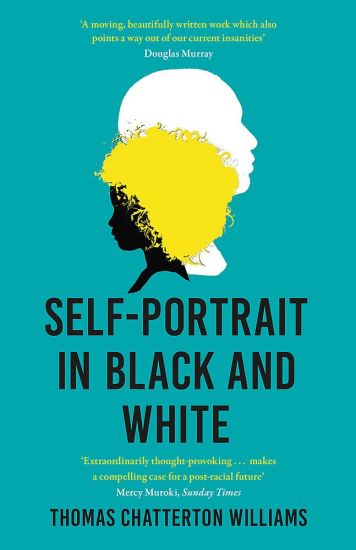
A SUNDAY TIMES BOOK OF THE YEAR A TIME 'MUST-READ' 'An extraordinarily thought-provoking memoir that makes a controversial contribution to the fraught debate on race and racism . . . intellectually stimulating and compelling' SUNDAY TIMESA reckoning with the way we choose to see and define ourselves, Self-Portrait in Black and White is the searching story of one American family's multi-generational transformation from what is called black to what is assumed to be white. Thomas Chatterton Williams, the son of a 'black' father from the segregated South and a 'white' mother from the West, spent his whole life believing the dictum that a single drop of 'black blood' makes a person black. This was so fundamental to his self-conception that he'd never rigorously reflected on its foundations - but the shock of his experience as the black father of two extremely white-looking children led him to question these long-held convictions. It is not that he has come to believe that he is no longer black or that his daughter is white, Williams notes. It is that these categories cannot adequately capture either of them - or anyone else, for that matter. Beautifully written and bound to upset received opinions on race, Self-Portrait in Black and White is an urgent work for our time.
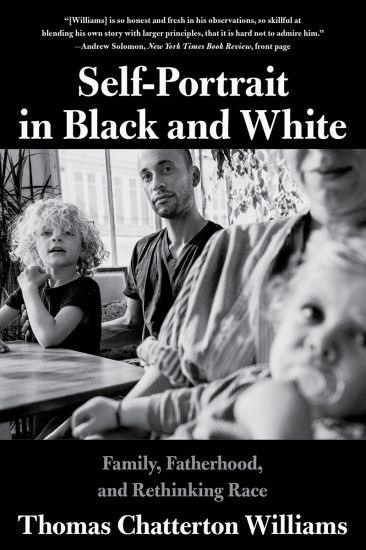
The son of a "black" father and a "white" mother, Thomas Chatterton Williams found himself questioning long-held convictions about race upon the birth of his blond-haired, blue-eyed daughter--and came to realize that these categories cannot adequately capture either of them, or anyone else. In telling the story of his family's multigenerational transformation from what is called black to what is assumed to be white, he reckons with the way we choose to see and define ourselves. Self-Portrait in Black and White is a beautifully written, urgent work for our time.
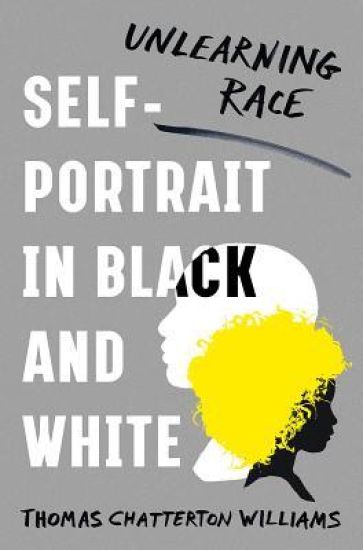
A reckoning with the way we choose to see and define ourselves, Self-Portrait in Black and White is the searching story of one American family's multigenerational transformation from what is called black to what is assumed to be white. Thomas Chatterton Williams, the son of a "black" father from the segregated South and a "white" mother from the West, spent his whole life believing the dictum that a single drop of "black blood" makes a person black. This was so fundamental to his self-conception that he'd never rigorously reflected on its foundations--but the shock of his experience as the black father of two extremely white-looking children led him to question these long-held convictions." It is not that I have come to believe that I am no longer black or that my daughter is white," Williams writes. "It is that these categories cannot adequately capture either of us." Beautifully written and bound to upset received opinions on race, Self-Portrait in Black and White is an urgent work for our time.
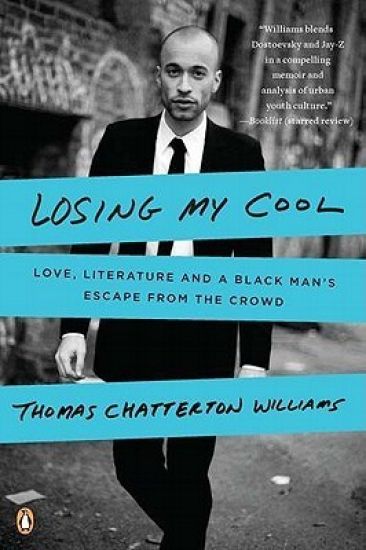
"A provocative, intellectual memoir" (USA Today)-from a remarkable new literary voice. Growing up, Thomas Chatterton Williams knew he loved three things in life: his parents, literature, and the intoxicating hip-hop culture that surrounded him. For years, he managed to juggle two disparate lifestyles, "keeping it real" in his friends' eyes and studying for the SATs under his father's strict tutelage-until it all threatened to spin out of control. Written with remarkable candor and emotional depth, Losing My Cool portrays the allure and danger of hip-hop culture with the authority of a true fan who's lived through it all, while demonstrating the saving grace of literature and the power of the bond between father and son.