

Kirjailija
Thomas Figueira
Kirjat ja teokset yhdessä paikassa: 7 kirjaa, julkaisuja vuosilta 1998–2017, suosituimpiin kuuluu Pólis/Cosmópolis: Identidades Globais & Locais. Vertaile teosten hintoja ja tarkista saatavuus suomalaisista kirjakaupoista.
7 kirjaa
Kirjojen julkaisuvuodet: 1998–2017.
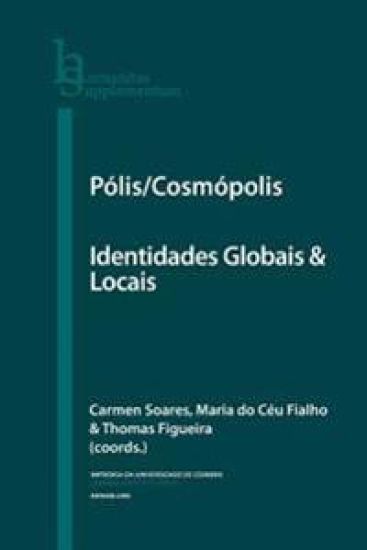
Pólis/Cosmópolis: Identidades Globais & Locais
Maria Do Céu Fialho; Thomas Figueira; Carmen Soares
Imprensa Da Universidade de Coimbra
2016
nidottu
O livro Polis/Cosm polis publica os resultados da investiga o, feita a partir de perspectivas diversas, do modo como coexistiam, em tens o ou harmonia, no Mundo Greco-romano, na Idade M dia e no Renascimento, identidades regionais e globais, minorias e maiorias, como se formaram e transformaram, desde o sistema da p lis, do fen meno da coloniza o, das ligas hegem nicas, da imagiologia de uma Atenas ideal de uma Atenas inst vel e de valores perdidos, retratada atrav s das suas figuras p blicas, do olhar sobre o Outro e sobre a variedade de regimes pol ticos do Outro, aos Reinos Helen sticos, enfatizando Alexandria. Segue-se o percurso que leva de Roma a uma Romanitas lingu stica e da Europa ao Novo Mundo. Mantiveram-se, no entanto, coexistentes, por muito tempo, as l nguas locais e a l ngua do Imp rio, como afirma o de identidade regional e de perten a global. Foi o caso dos Reinos Alexandrinos, mas tamb m, como se ver , o caso da Hisp nia.

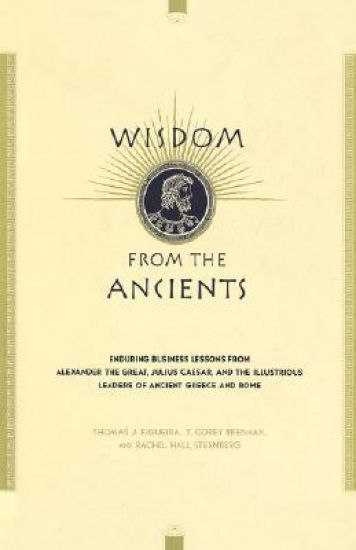
Wisdom From The Ancients
Rachel Sternberg; T. Corey Brennan; Thomas Figueira
Perseus Books
2001
sidottu
Ancient Greece, the culture that brought us democracy, philosophy, comedy and tragedy, and the Olympic Games, and ancient Rome, best known for its military prowess, technological achievements, and imperial administration, are justly renowned for their contributions to Western civilization. Wisdom from the Ancients brings alive for today's managers the timeless insights of such larger-than-life figures as Alexander the Great, Julius Caesar, Trajan, Pericles, and dozens of other colourful and enigmatic leaders. Through direct quotations of ancient texts, engaging commentary, and period art, the authors illuminate the strategies and tactics that have withstood the test of time-from leadership and delegation to managing conflict to effective and persuasive communication.
Was Athens an imperialistic state, deserving all the reputation for exploitation that adjective can imply, or was the Athenian alliance, even at its most unequal, still characterized by a convergence of interests? The Power of Money explores monetary and metrological policy at Athens as a way of discerning the character of Athenian hegemony in midfifth-century Greece. It begins with the Athenian Coinage Decree, which, after decades of scholarly attention, still presents unresolved questions for Greek historians about content, intent, date, and effect. Was the Decree an act of commercial imperialism or simply the codification of what was already current practice? Figueira interprets the Decree as one in a series concerned with financial matters affecting the Athenian city-state and emerging from the way the collection of tribute functioned in the alliance that we call the Athenian empire. He contends that the Decree served primarily to legislate the status quo ante.