Kirjojen hintavertailu – 12 859 828 kirjaa ja 27 kauppaa

Kirjailija

Thomas Henry Huxley

Kirjat ja teokset yhdessä paikassa: 519 kirjaa, julkaisuja vuosilta 1902–2026, suosituimpiin kuuluu Hume: Sa vie - sa philosophie. Vertaile teosten hintoja ja tarkista saatavuus suomalaisista kirjakaupoista.

519 kirjaa

Kirjojen julkaisuvuodet: 1902–2026.

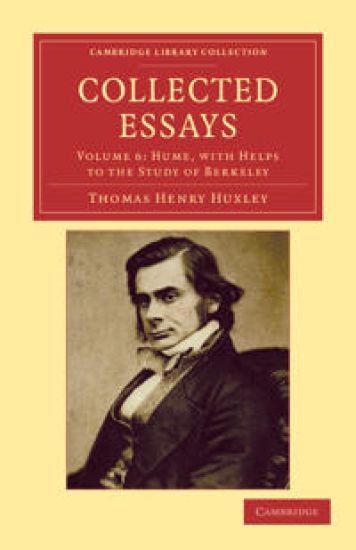
Collected Essays

Collected Essays

Thomas Henry Huxley

Cambridge University Press
2011
pokkari
Known as 'Darwin's Bulldog', the biologist Thomas Henry Huxley (1825–95) was a tireless supporter of the evolutionary theories of his friend Charles Darwin. Huxley also made his own significant scientific contributions, and he was influential in the development of science education despite having had only two years of formal schooling. He established his scientific reputation through experiments on aquatic life carried out during a voyage to Australia while working as an assistant surgeon in the Royal Navy; ultimately he became President of the Royal Society (1883–5). Throughout his life Huxley struggled with issues of faith, and he coined the term 'agnostic' to describe his beliefs. This nine-volume collection of Huxley's essays, which he edited and published in 1893–4, demonstrates the wide range of his intellectual interests. In Volume 6, Huxley focuses on the philosopher David Hume (1711–76), discussing his life and his philosophical and intellectual work.
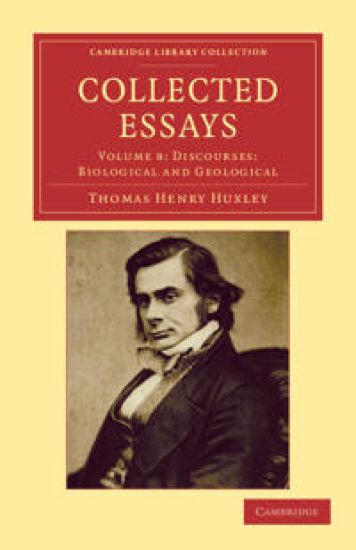
Collected Essays

Collected Essays

Thomas Henry Huxley

Cambridge University Press
2011
pokkari
Known as 'Darwin's Bulldog', the biologist Thomas Henry Huxley (1825–95) was a tireless supporter of the evolutionary theories of his friend Charles Darwin. Huxley also made his own significant scientific contributions, and he was influential in the development of science education despite having had only two years of formal schooling. He established his scientific reputation through experiments on aquatic life carried out during a voyage to Australia while working as an assistant surgeon in the Royal Navy; ultimately he became President of the Royal Society (1883–5). Throughout his life Huxley struggled with issues of faith, and he coined the term 'agnostic' to describe his beliefs. This nine-volume collection of Huxley's essays, which he edited and published in 1893–4, demonstrates the wide range of his intellectual interests. Volume 8 contains public lectures given by Huxley, on themes as diverse as yeast, lobsters and palaeontology.
Collected Essays

Collected Essays

Thomas Henry Huxley

Cambridge University Press
2011
pokkari
Known as 'Darwin's Bulldog', the biologist Thomas Henry Huxley (1825–95) was a tireless supporter of the evolutionary theories of his friend Charles Darwin. Huxley also made his own significant scientific contributions, and he was influential in the development of science education despite having had only two years of formal schooling. He established his scientific reputation through experiments on aquatic life carried out during a voyage to Australia while working as an assistant surgeon in the Royal Navy; ultimately he became President of the Royal Society (1883–5). Throughout his life Huxley struggled with issues of faith, and he coined the term 'agnostic' to describe his beliefs. This nine-volume collection of Huxley's essays, which he edited and published in 1893–4, demonstrates the wide range of his intellectual interests. Volume 9 includes lectures delivered at Oxford University on the relationship between scientific thought and ethical problems.
Collected Essays

Collected Essays

Thomas Henry Huxley

Cambridge University Press
2011
pokkari
Known as 'Darwin's Bulldog', the biologist Thomas Henry Huxley (1825–95) was a tireless supporter of the evolutionary theories of his friend Charles Darwin. Huxley also made his own significant scientific contributions, and he was influential in the development of science education despite having had only two years of formal schooling. He established his scientific reputation through experiments on aquatic life carried out during a voyage to Australia while working as an assistant surgeon in the Royal Navy; ultimately he became President of the Royal Society (1883–5). Throughout his life Huxley struggled with issues of faith, and he coined the term 'agnostic' to describe his beliefs. This nine-volume collection of Huxley's essays, which he edited and published in 1893–4, demonstrates the wide range of his intellectual interests. Volume 7 features a collection of lectures discussing the biological relationship of humans to apes and other animals.
Collected Essays

Collected Essays

Thomas Henry Huxley

Cambridge University Press
2011
pokkari
Known as 'Darwin's Bulldog', the biologist Thomas Henry Huxley (1825–95) was a tireless supporter of the evolutionary theories of his friend Charles Darwin. Huxley also made his own significant scientific contributions, and he was influential in the development of science education despite having had only two years of formal schooling. He established his scientific reputation through experiments on aquatic life carried out during a voyage to Australia while working as an assistant surgeon in the Royal Navy; ultimately he became President of the Royal Society (1883–5). Throughout his life Huxley struggled with issues of faith, and he coined the term 'agnostic' to describe his beliefs. This nine-volume collection of Huxley's essays, which he edited and published in 1893–4, demonstrates the wide range of his intellectual interests. In Volume 4, Huxley turns to the issue of faith and science, examining the apparent conflict between theology and evolution.
Collected Essays

Collected Essays

Thomas Henry Huxley

Cambridge University Press
2011
pokkari
Known as 'Darwin's Bulldog', the biologist Thomas Henry Huxley (1825–95) was a tireless supporter of the evolutionary theories of his friend Charles Darwin. Huxley also made his own significant scientific contributions, and he was influential in the development of science education despite having had only two years of formal schooling. He established his scientific reputation through experiments on aquatic life carried out during a voyage to Australia while working as an assistant surgeon in the Royal Navy; ultimately he became President of the Royal Society (1883–5). Throughout his life Huxley struggled with issues of faith, and he coined the term 'agnostic' to describe his beliefs. This nine-volume collection of Huxley's essays, which he edited and published in 1893–4, demonstrates the wide range of his intellectual interests. Volume 1 begins with a brief autobiography, and examines the development and progress of scientific practice and knowledge.
Collected Essays

Collected Essays

Thomas Henry Huxley

Cambridge University Press
2011
pokkari
Known as 'Darwin's Bulldog', the biologist Thomas Henry Huxley (1825–95) was a tireless supporter of the evolutionary theories of his friend Charles Darwin. Huxley also made his own significant scientific contributions, and he was influential in the development of science education despite having had only two years of formal schooling. He established his scientific reputation through experiments on aquatic life carried out during a voyage to Australia while working as an assistant surgeon in the Royal Navy; ultimately he became President of the Royal Society (1883–5). Throughout his life Huxley struggled with issues of faith, and he coined the term 'agnostic' to describe his beliefs. This nine-volume collection of Huxley's essays, which he edited and published in 1893–4, demonstrates the wide range of his intellectual interests. Volume 3 contains lectures and essays spanning thirty years of campaigning about the importance of science in education.
Life and Letters of Thomas Henry Huxley

Life and Letters of Thomas Henry Huxley

Leonard Huxley; Thomas Henry Huxley

Cambridge University Press
2011
pokkari
Thomas Henry Huxley (1825–95), the English biologist and naturalist, was known as 'Darwin's Bulldog', and is best remembered today for his vociferous support for Darwin's theory of evolution. He was, however, an influential naturalist, anatomist and religious thinker, who coined the term 'agnostic' to describe his own beliefs. Almost entirely self-educated, he became an authority in anatomy and palaeontology, and after the discovery of the archaeopteryx, he was the first to suggest that birds had evolved from dinosaurs. He was also a keen promoter of scientific education who strove to make science a paid profession, not dependent on patronage or wealth. Published in 1903, this three-volume work, edited by his son Leonard Huxley, is the second and most complete edition of Huxley's biography and selected letters. Volume 3 covers the period 1887–95, during which Huxley battled ill-health while continuing to defend his scientific ideals.
Life and Letters of Thomas Henry Huxley

Life and Letters of Thomas Henry Huxley

Leonard Huxley; Thomas Henry Huxley

Cambridge University Press
2011
pokkari
Thomas Henry Huxley (1825–95), the English biologist and naturalist, was known as 'Darwin's Bulldog', and is best remembered today for his vociferous support for Darwin's theory of evolution. He was, however, an influential naturalist, anatomist and religious thinker, who coined the term 'agnostic' to describe his own beliefs. Almost entirely self-educated, he became an authority in anatomy and palaeontology, and after the discovery of the archaeopteryx, he was the first to suggest that birds had evolved from dinosaurs. He was also a keen promoter of scientific education who strove to make science a paid profession, not dependent on patronage or wealth. Published in 1903, this three-volume work, edited by his son Leonard Huxley, is the second and most complete edition of Huxley's biography and selected letters. Volume 2 covers the period 1870–86, including Huxley's American lecture tour, and the death of his friend Charles Darwin in 1882.
Life and Letters of Thomas Henry Huxley

Life and Letters of Thomas Henry Huxley

Huxley Leonard; Thomas Henry Huxley

Cambridge University Press
2011
pokkari
Thomas Henry Huxley (1825–95), the English biologist and naturalist, was known as 'Darwin's Bulldog', and is best remembered today for his vociferous support for Darwin's theory of evolution. He was, however, an influential naturalist, anatomist and religious thinker, who coined the term 'agnostic' to describe his own beliefs. Almost entirely self-educated, he became an authority in anatomy and palaeontology, and after the discovery of the archaeopteryx, he was the first to suggest that birds had evolved from dinosaurs. He was also a keen promoter of scientific education who strove to make science a paid profession, not dependent on patronage or wealth. Published in 1903, this three-volume work, edited by his son Leonard Huxley, is the second and most complete edition of Huxley's biography and selected letters. Volume 1 covers the period 1825–69, including his expedition to Australasia and the publication of the On the Origin of Species (1859).