Kirjojen hintavertailu – 12 903 725 kirjaa ja 27 kauppaa
Kirjailija
Thomas Hughes
Kirjat ja teokset yhdessä paikassa: 235 kirjaa, julkaisuja vuosilta 1993–2026, suosituimpiin kuuluu The scouring of the White Horse: (1859) NOVEL by Thomas Hughes. Vertaile teosten hintoja ja tarkista saatavuus suomalaisista kirjakaupoista.
This work has been selected by scholars as being culturally important, and is part of the knowledge base of civilization as we know it. This work was reproduced from the original artifact, and remains as true to the original work as possible. Therefore, you will see the original copyright references, library stamps (as most of these works have been housed in our most important libraries around the world), and other notations in the work. This work is in the public domain in the United States of America, and possibly other nations. Within the United States, you may freely copy and distribute this work, as no entity (individual or corporate) has a copyright on the body of the work. As a reproduction of a historical artifact, this work may contain missing or blurred pages, poor pictures, errant marks, etc. Scholars believe, and we concur, that this work is important enough to be preserved, reproduced, and made generally available to the public. We appreciate your support of the preservation process, and thank you for being an important part of keeping this knowledge alive and relevant.
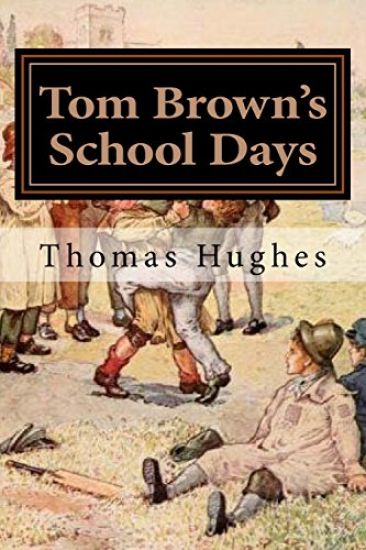
Tom Brown is energetic, stubborn, kind-hearted and athletic, rather than intellectual. He follows his feelings and the unwritten rules of the boys. The early chapters of the novel deal with his childhood at his home in the Vale of White Horse. Much of the scene setting in the first chapter is deeply revealing of Victorian England's attitudes towards society and class, and contains a comparison of so-called Saxon and Norman influences on England. This part of the book, when young Tom wanders the valleys freely on his pony, serves as a contrast with the hellish experiences in his first years at school.
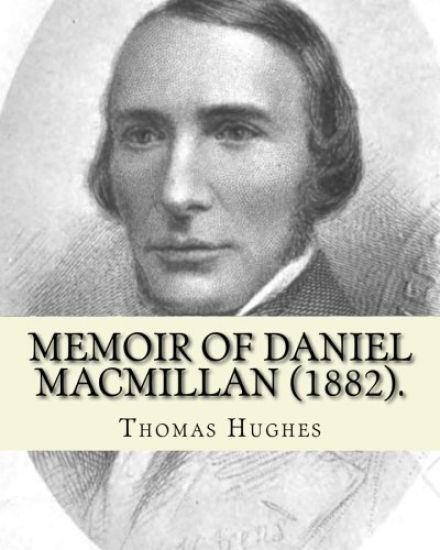
Daniel MacMillan (Scottish Gaelic: D mhnall MacMhaolain; 13 September 1813 - 27 June 1857) was a Scottish publisher from the Isle of Arran, Scotland. Life: Daniel MacMillan was born on 13 September 1813, in the Isle of Arran to a crofting family. Moving to London, he founded Macmillan Publishers, with his brother Alexander. In 1833, he came to London to work for a Cambridge bookseller. In 1844, he decided to expand into the publishing business. Macmillan, with the recommendation of his brother Alexander, sent George Edward Brett to open the first American office in New York. He died at Cambridge on 27 June 1857. He is buried in the Mill Road cemetery, Cambridge. Family He married, on 4 September 1850, Frances, daughter of a Mr Orridge, a chemist in Cambridge. They had two sons, Frederick (born 1851) and Maurice Crawford Macmillan (1853-1936). Maurice married Helen (Nellie) Artie Tarleton Belles (1856-1937), and their son Maurice Harold Macmillan became Prime Minister........... Thomas Hughes QC (20 October 1822 - 22 March 1896) was an English lawyer, judge, politician and author. He is most famous for his novel Tom Brown's School Days (1857), a semi-autobiographical work set at Rugby School, which Hughes had attended. It had a lesser-known sequel, Tom Brown at Oxford (1861). Hughes had numerous other interests, in particular as a Member of Parliament, in the British co-operative movement, and in a settlement in Tennessee reflecting his values. Early life Hughes was the second son of John Hughes, editor of the Boscobel Tracts (1830) and was born in Uffington, Berkshire (now Oxfordshire). He had six brothers, and one sister, Jane Senior who later became Britain's first female civil servant. At the age of eight he was sent to Twyford School, a preparatory public school near Winchester, where he remained until the age of eleven. In February 1834 he went to Rugby School, which was then under the celebrated Thomas Arnold, a contemporary of his father at Oriel College, Oxford. Hughes excelled at sports rather than in scholarship, and his school career culminated in a cricket match at Lord's Cricket Ground. In 1842 he went on to Oriel College, and graduated B. A. in 1845. At Oxford, he played cricket for the university team in the annual University Match against Cambridge University, also at Lord's, and a match that is still now regarded as first-class cricket. Legal career Hughes was called to the bar in 1848, became Queen's Counsel in 1869 and a bencher in 1870. He was appointed to a county court judgeship in the Chester district in July 1882. Works While living at Wimbledon, Hughes wrote his famous story Tom Brown's School Days, which was published in April 1857. He is associated with the novelists of the "muscular school", a loose classification but centred on the fiction of the Crimean War period. Although Hughes had never been a member of the sixth form at Rugby, his impressions of the headmaster Thomas Arnold were reverent. Hughes also wrote The Scouring of the White Horse (1859), Tom Brown at Oxford (1861), Religio Laici (1868), Life of Alfred the Great (1869) and the Memoir of a Brother. His brother, George Hughes, was the model for the Tom Brown character..............
Thomas Hughes QC (20 October 1822 - 22 March 1896) was an English lawyer, judge, politician and author. He is most famous for his novel Tom Brown's School Days (1857), a semi-autobiographical work set at Rugby School, which Hughes had attended. It had a lesser-known sequel, Tom Brown at Oxford (1861). Hughes had numerous other interests, in particular as a Member of Parliament, in the British co-operative movement, and in a settlement in Tennessee reflecting his values. Early life Hughes was the second son of John Hughes, editor of the Boscobel Tracts (1830) and was born in Uffington, Berkshire (now Oxfordshire). He had six brothers, and one sister, Jane Senior who later became Britain's first female civil servant. At the age of eight he was sent to Twyford School, a preparatory public school near Winchester, where he remained until the age of eleven. In February 1834 he went to Rugby School, which was then under the celebrated Thomas Arnold, a contemporary of his father at Oriel College, Oxford. Hughes excelled at sports rather than in scholarship, and his school career culminated in a cricket match at Lord's Cricket Ground. In 1842 he went on to Oriel College, and graduated B. A. in 1845. At Oxford, he played cricket for the university team in the annual University Match against Cambridge University, also at Lord's, and a match that is still now regarded as first-class cricket. Legal career Hughes was called to the bar in 1848, became Queen's Counsel in 1869 and a bencher in 1870. He was appointed to a county court judgeship in the Chester district in July 1882. Works While living at Wimbledon, Hughes wrote his famous story Tom Brown's School Days, which was published in April 1857. He is associated with the novelists of the "muscular school", a loose classification but centred on the fiction of the Crimean War period. Although Hughes had never been a member of the sixth form at Rugby, his impressions of the headmaster Thomas Arnold were reverent. Hughes also wrote The Scouring of the White Horse (1859), Tom Brown at Oxford (1861), Religio Laici (1868), Life of Alfred the Great (1869) and the Memoir of a Brother. His brother, George Hughes, was the model for the Tom Brown character............
Tom Brown at Oxford is a novel by Thomas Hughes, first published in serial form in Macmillan Magazine in 1859. It was published in two volumes in book form in 1861. It is a sequel to the better-known Tom Brown's School Days. The story follows the character of Tom Brown to St Ambrose's College, Oxford. The novel offers a vivid impression of university life in the mid nineteenth centuryThe book was out of print for many years but is available in Britain from Wordsworth Classics with 'Tom Brown's Schooldays' and as the copyright on the text has expired is now available on the Project Gutenberg ebook site. Editions of the serialized form are available at from the Hathi Trust. The illustrator Sydney Prior Hall (1842-1922), portrait painter and illustrator, was one of the leading reportage artists of the later Victorian period........ Thomas Hughes QC (20 October 1822 - 22 March 1896) was an English lawyer, judge, politician and author. He is most famous for his novel Tom Brown's School Days (1857), a semi-autobiographical work set at Rugby School, which Hughes had attended. It had a lesser-known sequel, Tom Brown at Oxford (1861). Hughes had numerous other interests, in particular as a Member of Parliament, in the British co-operative movement, and in a settlement in Tennessee reflecting his values. Early life Hughes was the second son of John Hughes, editor of the Boscobel Tracts (1830) and was born in Uffington, Berkshire (now Oxfordshire). He had six brothers, and one sister, Jane Senior who later became Britain's first female civil servant. At the age of eight he was sent to Twyford School, a preparatory public school near Winchester, where he remained until the age of eleven. In February 1834 he went to Rugby School, which was then under the celebrated Thomas Arnold, a contemporary of his father at Oriel College, Oxford. Hughes excelled at sports rather than in scholarship, and his school career culminated in a cricket match at Lord's Cricket Ground. In 1842 he went on to Oriel College, and graduated B. A. in 1845. At Oxford, he played cricket for the university team in the annual University Match against Cambridge University, also at Lord's, and a match that is still now regarded as first-class cricket. Legal career Hughes was called to the bar in 1848, became Queen's Counsel in 1869 and a bencher in 1870. He was appointed to a county court judgeship in the Chester district in July 1882. Works While living at Wimbledon, Hughes wrote his famous story Tom Brown's School Days, which was published in April 1857. He is associated with the novelists of the "muscular school", a loose classification but centred on the fiction of the Crimean War period. Although Hughes had never been a member of the sixth form at Rugby, his impressions of the headmaster Thomas Arnold were reverent. Hughes also wrote The Scouring of the White Horse (1859), Tom Brown at Oxford (1861), Religio Laici (1868), Life of Alfred the Great (1869) and the Memoir of a Brother. His brother, George Hughes, was the model for the Tom Brown character...........
Birthdate: January 31, 1872 (69) Birthplace: Lambeth, London, Greater London, England, United Kingdom Death: December 2, 1941 (69) East London, Amatole, Eastern Cape, South Africa Occupation: messenger, interpreter... Thomas Hughes QC (20 October 1822 - 22 March 1896) was an English lawyer, judge, politician and author. He is most famous for his novel Tom Brown's School Days (1857), a semi-autobiographical work set at Rugby School, which Hughes had attended. It had a lesser-known sequel, Tom Brown at Oxford (1861). Hughes had numerous other interests, in particular as a Member of Parliament, in the British co-operative movement, and in a settlement in Tennessee reflecting his values. Early life Hughes was the second son of John Hughes, editor of the Boscobel Tracts (1830) and was born in Uffington, Berkshire (now Oxfordshire). He had six brothers, and one sister, Jane Senior who later became Britain's first female civil servant. At the age of eight he was sent to Twyford School, a preparatory public school near Winchester, where he remained until the age of eleven. In February 1834 he went to Rugby School, which was then under the celebrated Thomas Arnold, a contemporary of his father at Oriel College, Oxford. Hughes excelled at sports rather than in scholarship, and his school career culminated in a cricket match at Lord's Cricket Ground. In 1842 he went on to Oriel College, and graduated B. A. in 1845. At Oxford, he played cricket for the university team in the annual University Match against Cambridge University, also at Lord's, and a match that is still now regarded as first-class cricket. Legal career Hughes was called to the bar in 1848, became Queen's Counsel in 1869 and a bencher in 1870. He was appointed to a county court judgeship in the Chester district in July 1882. Works While living at Wimbledon, Hughes wrote his famous story Tom Brown's School Days, which was published in April 1857. He is associated with the novelists of the "muscular school", a loose classification but centred on the fiction of the Crimean War period. Although Hughes had never been a member of the sixth form at Rugby, his impressions of the headmaster Thomas Arnold were reverent. Hughes also wrote The Scouring of the White Horse (1859), Tom Brown at Oxford (1861), Religio Laici (1868), Life of Alfred the Great (1869) and the Memoir of a Brother. His brother, George Hughes, was the model for the Tom Brown character............
Thomas Hughes QC (20 October 1822 - 22 March 1896) was an English lawyer, judge, politician and author. He is most famous for his novel Tom Brown's School Days (1857), a semi-autobiographical work set at Rugby School, which Hughes had attended. It had a lesser-known sequel, Tom Brown at Oxford (1861). Hughes had numerous other interests, in particular as a Member of Parliament, in the British co-operative movement, and in a settlement in Tennessee reflecting his values. Early life Hughes was the second son of John Hughes, editor of the Boscobel Tracts (1830) and was born in Uffington, Berkshire (now Oxfordshire). He had six brothers, and one sister, Jane Senior who later became Britain's first female civil servant. At the age of eight he was sent to Twyford School, a preparatory public school near Winchester, where he remained until the age of eleven. In February 1834 he went to Rugby School, which was then under the celebrated Thomas Arnold, a contemporary of his father at Oriel College, Oxford. Hughes excelled at sports rather than in scholarship, and his school career culminated in a cricket match at Lord's Cricket Ground. In 1842 he went on to Oriel College, and graduated B. A. in 1845. At Oxford, he played cricket for the university team in the annual University Match against Cambridge University, also at Lord's, and a match that is still now regarded as first-class cricket. Legal career Hughes was called to the bar in 1848, became Queen's Counsel in 1869 and a bencher in 1870. He was appointed to a county court judgeship in the Chester district in July 1882. Works While living at Wimbledon, Hughes wrote his famous story Tom Brown's School Days, which was published in April 1857. He is associated with the novelists of the "muscular school", a loose classification but centred on the fiction of the Crimean War period. Although Hughes had never been a member of the sixth form at Rugby, his impressions of the headmaster Thomas Arnold were reverent. Hughes also wrote The Scouring of the White Horse (1859), Tom Brown at Oxford (1861), Religio Laici (1868), Life of Alfred the Great (1869) and the Memoir of a Brother. His brother, George Hughes, was the model for the Tom Brown character. While living at Wimbledon, Hughes wrote his famous story Tom Brown's School Days, which was published in April 1857. He is associated with the novelists of the "muscular school", a loose classification but centred on the fiction of the Crimean War period. Although Hughes had never been a member of the sixth form at Rugby, his impressions of the headmaster Thomas Arnold were reverent. Hughes also wrote The Scouring of the White Horse (1859), Tom Brown at Oxford (1861), Religio Laici (1868), Life of Alfred the Great (1869) and the Memoir of a Brother. His brother, George Hughes, was the model for the Tom Brown character.................
Thomas Hughes QC (20 October 1822 - 22 March 1896) was an English lawyer, judge, politician and author. He is most famous for his novel Tom Brown's School Days (1857), a semi-autobiographical work set at Rugby School, which Hughes had attended. It had a lesser-known sequel, Tom Brown at Oxford (1861). Hughes had numerous other interests, in particular as a Member of Parliament, in the British co-operative movement, and in a settlement in Tennessee reflecting his values. Early life Hughes was the second son of John Hughes, editor of the Boscobel Tracts (1830) and was born in Uffington, Berkshire (now Oxfordshire). He had six brothers, and one sister, Jane Senior who later became Britain's first female civil servant. At the age of eight he was sent to Twyford School, a preparatory public school near Winchester, where he remained until the age of eleven. In February 1834 he went to Rugby School, which was then under the celebrated Thomas Arnold, a contemporary of his father at Oriel College, Oxford. Hughes excelled at sports rather than in scholarship, and his school career culminated in a cricket match at Lord's Cricket Ground. In 1842 he went on to Oriel College, and graduated B. A. in 1845. At Oxford, he played cricket for the university team in the annual University Match against Cambridge University, also at Lord's, and a match that is still now regarded as first-class cricket. Legal career Hughes was called to the bar in 1848, became Queen's Counsel in 1869 and a bencher in 1870. He was appointed to a county court judgeship in the Chester district in July 1882. Works While living at Wimbledon, Hughes wrote his famous story Tom Brown's School Days, which was published in April 1857. He is associated with the novelists of the "muscular school", a loose classification but centred on the fiction of the Crimean War period. Although Hughes had never been a member of the sixth form at Rugby, his impressions of the headmaster Thomas Arnold were reverent. Hughes also wrote The Scouring of the White Horse (1859), Tom Brown at Oxford (1861), Religio Laici (1868), Life of Alfred the Great (1869) and the Memoir of a Brother. His brother, George Hughes, was the model for the Tom Brown character.............
Principles of Anthropology and Biology - Second Edition is an unchanged, high-quality reprint of the original edition of 1890. Hansebooks is editor of the literature on different topic areas such as research and science, travel and expeditions, cooking and nutrition, medicine, and other genres. As a publisher we focus on the preservation of historical literature. Many works of historical writers and scientists are available today as antiques only. Hansebooks newly publishes these books and contributes to the preservation of literature which has become rare and historical knowledge for the future.