Kirjojen hintavertailu – 12 859 829 kirjaa ja 27 kauppaa

Kirjailija

Thomas Hurka

Kirjat ja teokset yhdessä paikassa: 9 kirjaa, julkaisuja vuosilta 1996–2026, suosituimpiin kuuluu Spårvagnsproblemens mysterier. Vertaile teosten hintoja ja tarkista saatavuus suomalaisista kirjakaupoista.

9 kirjaa

Kirjojen julkaisuvuodet: 1996–2026.

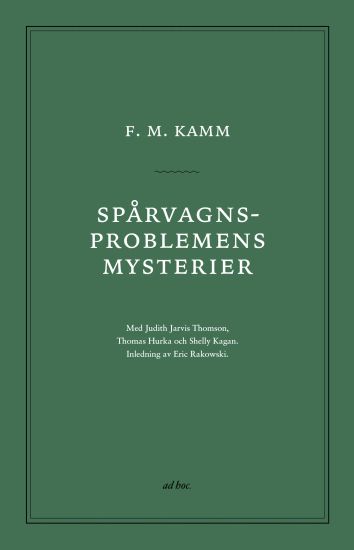
Spårvagnsproblemens mysterier

Spårvagnsproblemens mysterier

Frances Kamm; Judith Thomson; Thomas Hurka; Shelly Kagan

Ad hoc förlag
2026
nidottu
Spårvagnsproblemet – tankeexperimentet som Philippa Foot formulerade på 1960-talet och som Judith Thomson namngav på 1970-talet – vad ska man egentligen säga om det? Vad handlar det om och kan vi lära oss något av det? I "Spårvagnsproblemens mysterier" får vi några exempel på det bästa tänkandet från de ledande rösterna på området. F. M. Kamms Tannerföreläsningar från Berkeley 2013 följs av ett intensivt replikskifte om problemet med kommentarer av Judith Thomson, Thomas Hurka och Shelly Kagan. Kanske kommer detta utbyte, som bokens redaktör Eric Rakowski skriver i sin inledning, bli ovärdeligt för framtida arbeten om spårvagnsproblemet.
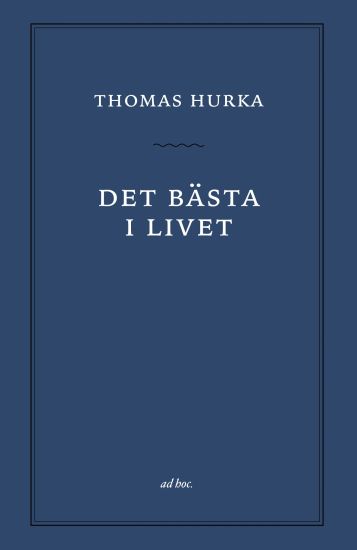
Det bästa i livet

Det bästa i livet

Thomas Hurka

Ad hoc förlag
2025
nidottu
Hur lever man det bästa livet? Vad skulle det innehålla? Kan vem som helst leva ett sånt liv? I så fall – lever du det livet? Det här är några av de frågor som den framstående kanadensiske filosofen Thomas Hurka ställer sig i denna bok. Svaren formulerar han med hjälp av både klassiska tänkare som Aristoteles och Nietzsche och samtida kollegor som Derek Parfit och Thomas Nagel. Lite mer oväntat är kanske att han även tar hjälp av Wayne Gretzky, Shakespeare och Tiger Woods, för att nämna några. Resultatet är en ovanligt livfull modern analytiskfilosofisk bok om det goda livet och hur man kan leva det. Thomas Hurka är professor emeritus i filosofi vid universitetet i Toronto, ledamot vid Royal Society of Canada och har i flera decennier påverkat den moralfilosofiska diskussionen med sina originella perspektiv. Bland hans böcker märks även Perfectionism (1993), Virtue, Vice, and Value (2001) och British Ethical Theorists from Sidgwick to Ewing (2015).
British Ethical Theorists from Sidgwick to Ewing

British Ethical Theorists from Sidgwick to Ewing

Thomas Hurka

Oxford University Press
2018
nidottu
Thomas Hurka presents the first full historical study of an important strand in the development of modern moral philosophy. His subject is a series of British ethical theorists from the late nineteenth century to the mid-twentieth century, who shared key assumptions that made them a unified and distinctive school. The best-known of them are Henry Sidgwick, G. E. Moore, and W. D. Ross; others include Hastings Rashdall, H. A. Prichard, C. D. Broad, and A. C. Ewing. They disagreed on some important topics, especially in normative ethics. Thus some were consequentialists and others deontologists: Sidgwick thought only pleasure is good while others emphasized perfectionist goods such as knowledge, aesthetic appreciation, and virtue. But all were non-naturalists and intuitionists in metaethics, holding that moral judgements can be objectively true, have a distinctive subject-matter, and are known by direct insight. They also had similar views about how ethical theory should proceed and what are relevant arguments in it; their disagreements therefore took place on common ground. Hurka recovers the history of this under-appreciated group by showing what its members thought, how they influenced each other, and how their ideas changed through time. He also identifies the shared assumptions that made their school unified and distinctive, and assesses their contributions critically, both when they debated each other and when they agreed. One of his themes is that that their general approach to ethics was more fruitful philosophically than many better-known ones of both earlier and later times.
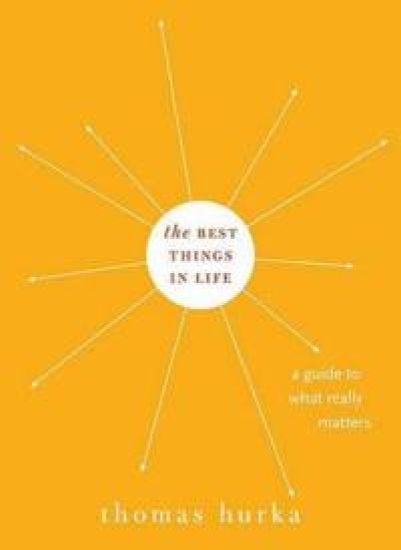
The Best Things in Life

The Best Things in Life

Thomas Hurka

Oxford University Press Inc
2015
nidottu
For centuries, philosophers, theologians, moralists, and ordinary people have asked: How should we live? What makes for a good life? In The Best Things in Life, distinguished philosopher Thomas Hurka takes a fresh look at these perennial questions as they arise for us now in the 21st century. Should we value family over career? How do we balance self-interest and serving others? What activities bring us the most joy? While religion, literature, popular psychology, and everyday wisdom all grapple with these questions, philosophy more than anything else uses the tools of reason to make important distinctions, cut away irrelevancies, and distill these issues down to their essentials. Hurka argues that if we are to live a good life, one thing we need to know is which activities and experiences will most likely lead us to happiness and which will keep us from it, while also reminding us that happiness isn't the only thing that makes life good. Hurka explores many topics: four types of good feeling (and the limits of good feeling); how we can improve our baseline level of happiness (making more money, it turns out, isn't the answer); which kinds of knowledge are most worth having; the importance of achieving worthwhile goals; the value of love and friendship; and much more. Unlike many philosophers, he stresses that there isn't just one good in life but many: pleasure, as Epicurus argued, is indeed one, but knowledge, as Socrates contended, is another, as is achievement. And while the great philosophers can help us understand what matters most in life, Hurka shows that we must ultimately decide for ourselves. This delightfully accessible book offers timely guidance on answering the most important question any of us will ever ask: How do we live a good life?
British Ethical Theorists from Sidgwick to Ewing

British Ethical Theorists from Sidgwick to Ewing

Thomas Hurka

Oxford University Press
2014
sidottu
Thomas Hurka presents the first full historical study of an important strand in the development of modern moral philosophy. His subject is a series of British ethical theorists from the late nineteenth century to the mid-twentieth century, who shared key assumptions that made them a unified and distinctive school. The best-known of them are Henry Sidgwick, G. E. Moore, and W. D. Ross; others include Hastings Rashdall, H. A. Prichard, C. D. Broad, and A. C. Ewing. They disagreed on some important topics, especially in normative ethics. Thus some were consequentialists and others deontologists: Sidgwick thought only pleasure is good while others emphasized perfectionist goods such as knowledge, aesthetic appreciation, and virtue. But all were non-naturalists and intuitionists in metaethics, holding that moral judgements can be objectively true, have a distinctive subject-matter, and are known by direct insight. They also had similar views about how ethical theory should proceed and what are relevant arguments in it; their disagreements therefore took place on common ground. Hurka recovers the history of this under-appreciated group by showing what its members thought, how they influenced each other, and how their ideas changed through time. He also identifies the shared assumptions that made their school unified and distinctive, and assesses their contributions critically, both when they debated each other and when they agreed. One of his themes is that that their general approach to ethics was more fruitful philosophically than many better-known ones of both earlier and later times.
Drawing Morals

Drawing Morals

Thomas Hurka

Oxford University Press Inc
2011
sidottu
This volume contains selected essays in moral and political philosophy by Thomas Hurka. The essays address a wide variety of topics, from the well-rounded life and the value of playing games to proportionality in war and the ethics of nationalism. They also share a common aim: to illuminate the surprising richness and subtlety of our everyday moral thought by revealing its underlying structure, which they often do by representing that structure on graphs. More specifically, the essays all give what the first in the volume calls "structural" as against "foundational" analyses of moral views. Eschewing the grander ambition of grounding our ideas about, say, virtue or desert in claims that use different concepts and concern some other, allegedly more fundamental topic, they examine these ideas in their own right and with close attention to their details. As well as illuminating their individual topics, the essays illustrate the insights this structural method can yield.
The Best Things in Life

The Best Things in Life

Thomas Hurka

Oxford University Press Inc
2011
sidottu
For centuries, philosophers, theologians, moralists, and ordinary people have asked: How should we live? What makes for a good life? In The Best Things in Life, distinguished philosopher Thomas Hurka takes a fresh look at these perennial questions as they arise for us now in the 21st century. Should we value family over career? How do we balance self-interest and serving others? What activities bring us the most joy? While religion, literature, popular psychology, and everyday wisdom all grapple with these questions, philosophy more than anything else uses the tools of reason to make important distinctions, cut away irrelevancies, and distill these issues down to their essentials. Hurka argues that if we are to live a good life, one thing we need to know is which activities and experiences will most likely lead us to happiness and which will keep us from it, while also reminding us that happiness isn't the only thing that makes life good. Hurka explores many topics: four types of good feeling (and the limits of good feeling); how we can improve our baseline level of happiness (making more money, it turns out, isn't the answer); which kinds of knowledge are most worth having; the importance of achieving worthwhile goals; the value of love and friendship; and much more. Unlike many philosophers, he stresses that there isn't just one good in life but many: pleasure, as Epicurus argued, is indeed one, but knowledge, as Socrates contended, is another, as is achievement. And while the great philosophers can help us understand what matters most in life, Hurka shows that we must ultimately decide for ourselves. This delightfully accessible book offers timely guidance on answering the most important question any of us will ever ask: How do we live a good life?
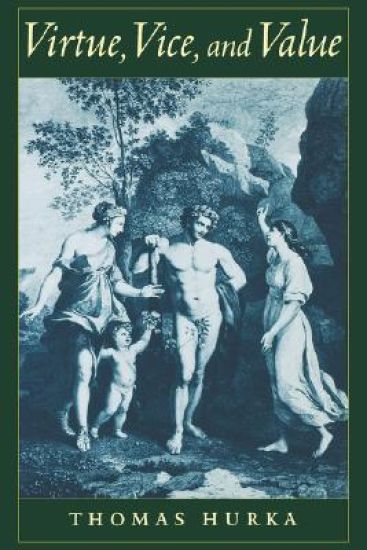
Virtue, Vice, and Value

Virtue, Vice, and Value

Thomas Hurka

Oxford University Press Inc
2003
nidottu
What are virtue and vice, and how do they relate to other moral properties such as goodness and rightness? Thomas Hurka defends a distinctive perfectionist view according to which the virtues are higher-level intrinsic goods, ones that involve morally appropriate attitudes to other, independent goods and evils. He develops this highly original view in detail and argues for its superiority over rival views, including those given by virtue ethics.
Perfectionism

Perfectionism

Thomas Hurka

Oxford University Press Inc
1996
nidottu
Perfectionism is one of the great moralities of the Western tradition. It holds that certain states of humans, such as knowledge, achievement, and friendship, are good apart from any pleasure they may bring, and that the morally right act is always the one that most promotes these states. Defined more narrowly, perfectionism identifies the human good by reference to human nature: if knowledge and achievement are good, it is because they realize aspects of human nature. This book gives an account of perfectionism, first in the narrower sense, analysing its central concepts and defending a theory of human nature in which rationality plays a central role. It then uses this theory to construct an elaborate account of the intrinsic value of beliefs and actions that embody rationality, and applies this account to political questions about liberty and equality. The book attempts to formulate the most defensible version of perfectionism, using contemporary analytic techniques. It aims both to regain for perfectionism a central place in contemporary moral debate and to shed light on the writings of classical perfectionists such as Aristotle, Aquinas, Hegel, Marx, Nietzsche, and T. H. Green.