
Kirjailija
Tim Bonyhady
Kirjat ja teokset yhdessä paikassa: 5 kirjaa, julkaisuja vuosilta 1992–2019, suosituimpiin kuuluu Prehistory To Politics. Vertaile teosten hintoja ja tarkista saatavuus suomalaisista kirjakaupoista.
5 kirjaa
Kirjojen julkaisuvuodet: 1992–2019.
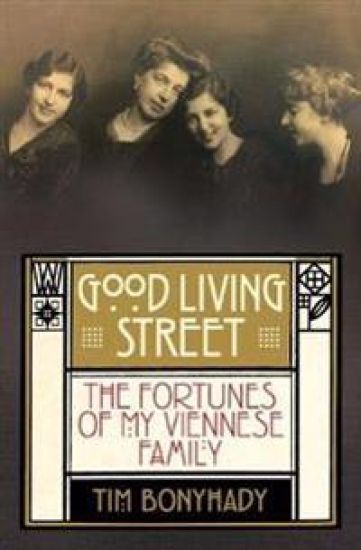
In 1900 Vienna was one of the most exciting places to live in the world. Its glamorous high society was the envy of Europe, and it was the centre of an exploding arts movement that set the tone for the following century. Tim Bonyhady's family were leading patrons of the arts in fin de siècle Vienna: Gustav Klimt painted his great-grandmother's portrait, Josef Hoffmann designed their lavish residence and Gustav and Alma Mahler were close acquaintances. In Good Living Street Bonyhady follows the lives of three generations of women in his family in an intimate account of fraught relationships, romance, and business highs and lows. They enjoyed a lifestyle of unimaginable luxury and privilege until the rise of Nazism made their existence in Austria untenable. In 1938, as Kristallnacht was raging, his family fled Vienna for a small flat in Australia, taking with them the best private collection of art and design to escape the Nazis. As they remade their lives as refugees, the past was rarely discussed and fifty years passed before Tim discovered the remarkable arc of his family's fortunes.

Stories and phrases can powerfully shape the ways in which we experience and manage our environment. What languages have been used to characterize Australian landscapes and how have they influenced the way we see and treat our environment? This work answers this question and more, while exploring the inter-relationship between Australia's landscape and language. It covers a collection of essays whose subjects range from the Ord River in the far north-west to Antarctica in the south, from the centre to the coast, the prehistoric to the present. Its terrain is both environmental and cultural, political and poetic.
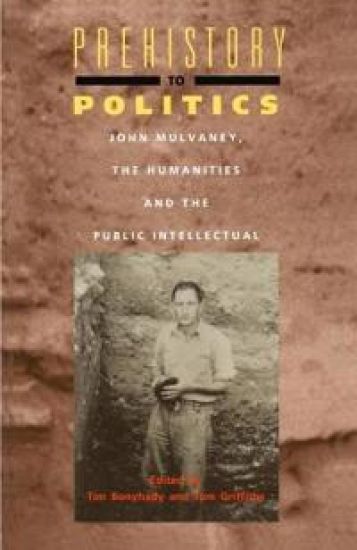
Who are public intellectuals? Why do they matter? What is the difference between an academic and an intellectual? Prehistory to Politics explores these issues by examining the life and work of John Mulvaney, one of Australia's foremost prehistorians, who has both changed our understanding of the past and made a major contribution to public debate and public policy about world heritage, archaeological and conservation practice, the function and operation of museums and the relevance of the humanities. A major campaigner for preservation of the Franklin River in the early 1980s, Mulvaney has also been an influential member of the Australian Heritage Commission and one of the most important advocates of the National Museum of Australia. He played a significant role in the campaign to preserve the site of First Government House in Sydney. Perhaps most controversially, he has been outspoken in his views about the return of skeletal remains by Australian Museums to Aboriginal people. In exploring these many facets of Mulvaney's work, Prehistory to Politics not only has much to say about the changing nature of Australian universities and the opportunities and obligations of academics but also casts new light on a wide set of archaeological, anthropological and environmental issues. It is both a history of ideas and a book about their implementation.