Kirjojen hintavertailu – 12 859 818 kirjaa ja 27 kauppaa

Kirjailija

Tim Cooke

Kirjat ja teokset yhdessä paikassa: 88 kirjaa, julkaisuja vuosilta 2005–2026, suosituimpiin kuuluu Kate Middleton. Vertaile teosten hintoja ja tarkista saatavuus suomalaisista kirjakaupoista.

88 kirjaa

Kirjojen julkaisuvuodet: 2005–2026.

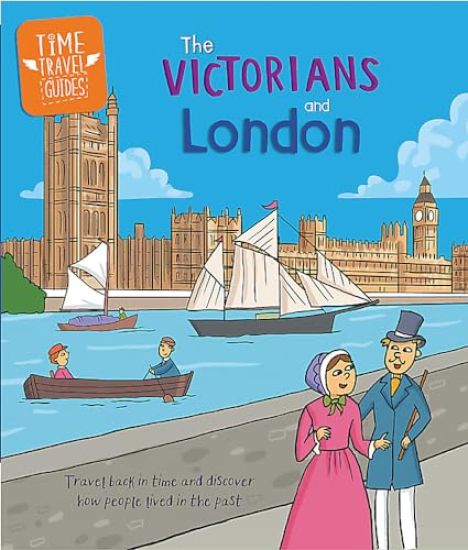
Time Travel Guides: The Victorians and London

Time Travel Guides: The Victorians and London

Tim Cooke

Hachette Children's Group
2024
sidottu
Step back in time to discover life in London during the reign of Queen Victoria with this handy time travel guidebookTravel back in time to Victorian London and find out all about life and culture there. Get ready to visit a cotton mill, drink coffee in one of new coffee houses and watch the Changing of the Guard at Buckingham Palace! Like modern travel guides, the books in this series highlight must-see features and explain local culture. Each highlighted destination contains an explanation of what took part in these areas, as well as a look at important artefacts found there providing a bigger picture of life in the past. Typical travel guide notes include, 'best time to visit', 'what to eat' and 'where to stay'. Perfect for the KS2 history curriculum, and for readers aged 7 and up. Contents:LondonPutting London on the mapOut and aboutVictorian homesChristmasThe East EndStroll along the riverVictorian childrenHealth and medicineBooming BritainTime offBuckingham PalaceVisit quick! GlossaryFurther informationIndexBooks in this series:The Maya and Chichén Itza Roman Britain and LondiniumThe Stone Age and Skara BraeViking Britain and JorvikThe Ancient Greeks and AthensThe Shang Dynasty and YinThe Victorians and London The Ancient Egyptians and Thebes

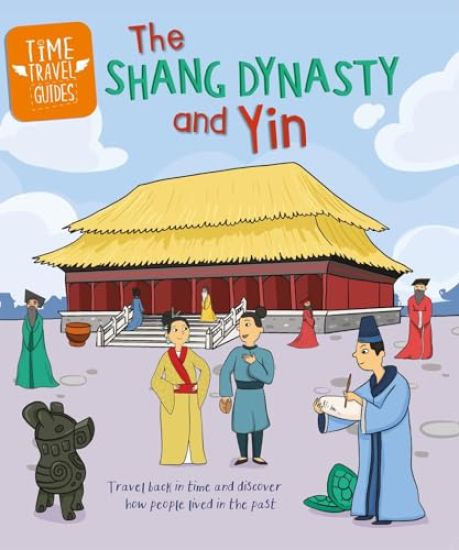
Time Travel Guides: The Shang Dynasty and Yin

Time Travel Guides: The Shang Dynasty and Yin

Tim Cooke

Hachette Children's Group
2024
sidottu
Step back in time to discover life during the Shang Dynasty with this handy time travel guidebook! Perfect for the KS2 history curriculum, and for readers aged 7 and up. Time travel back over 3,000 to visit the fascinating Shang dynasty in China, and find out all about Shang life and culture. Get ready to visit a bronze-making workshop, eat elephant at a banquet, play panpipes and shop for precious jade and silk at a bustling Shang market. Like modern travel guides, the books in this series highlight must-see features and explain local culture. Each highlighted destination contains an explanation of what took part in these areas, as well as a look at important artefacts found there providing a bigger picture of life in the past. Typical travel guide notes include, 'best time to visit', 'what to eat' and 'where to stay'. Perfect for the KS2 history curriculum, and for readers aged 7 and up. Titles in the series:The Ancient Egyptians and ThebesThe Ancient Greeks and AthensThe Maya and Chichén ItzáRoman Britain and LondiniumThe Shang Dynasty and YinxuThe Stone Age and Skara BraeThe Victorians and LondonViking Britain and Jorvik
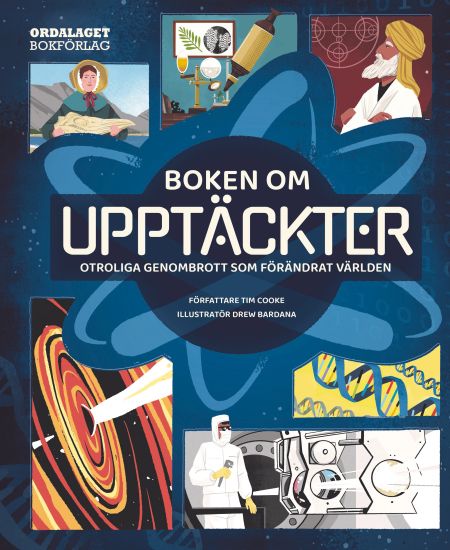
Boken om upptäckter : otroliga genombrott som förändrat världen
"I historieböckerna är de flesta upptäckarna män, men Boken om upptäckter framhåller föredömligt olika kvinnor som också bidragit... På drygt 100 sidor ryms mycket... Illustrationerna är fina och trivsamma och de ger atmosfär åt texterna... En bra bok för den som vill utveckla sitt intresse för naturvetenskap. Betyg 4 av 5." BTJ nr 19, Ulf Hyltén-Cavallius Vad är en upptäckt? Det är när man lägger märke till eller kan förklara något för allra första gången. En upptäckt är att observera något som ingen kände till, men som har funnits där hela tiden och bara väntat på att upptäckas. Boken om upptäckter är en faktafyllda bok om 40 av historiens mest viktiga genombrott och upptäckter. Allt från hur man först kom i kontakt med magnetism till hur man kan påvisa existensen av svarta hål. Illustrationerna fungerar både underhållande och instruerande. Tydlig och pedagogisk layout. Lättöverskådlig tidslinje finns. Möt personerna bakom upptäckterna och läs om skeenden som visade vägen. Här finns frågeställningar som uppmanar läsaren att själv fundera kring upptäckter och vad dessa kan leda till. Upptäckter inom vetenskap (algebra, datorspråk, radioaktivitet m.m.) Upptäckter om planeten jorden och rymden (havsströmmar, galaxer m.m.) Upptäckter om olika krafter (aerodynamik, gravitation m.m.) Upptäckter inom biologi (DNA, dinosaurier, evolution m.m.)Upptäckter om kroppen och läkemedel (bakterier, antibiotika m.m.) TIM COOKE har arbetat som författare och redaktör i över 25 år och skrivit facklitteratur för både barn och vuxna. DREW BARDANA är en erfaren illustratör som förutom böcker arbetat med reklam och magasin.
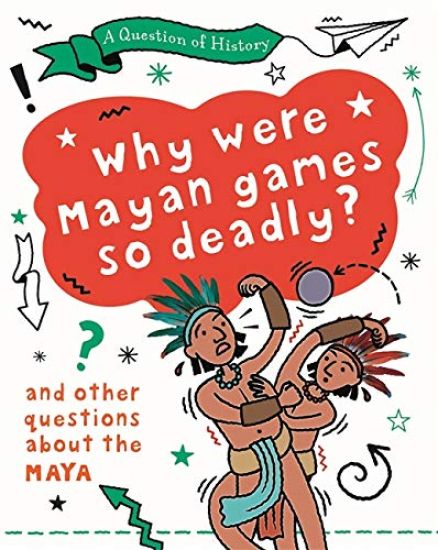
A Question of History: Why were Maya games so deadly? And other questions about the Maya
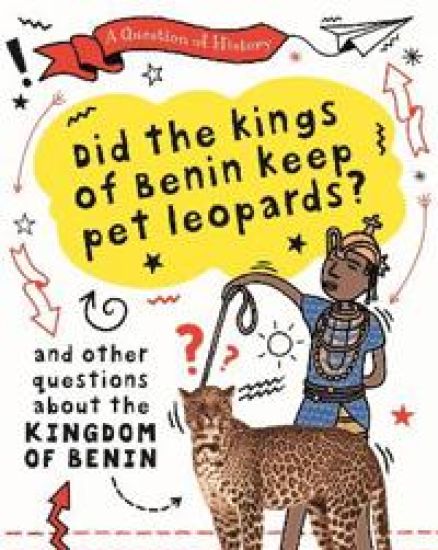
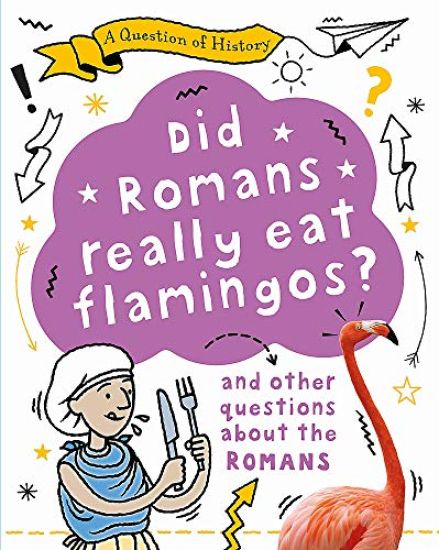
Take a look at the wackier side of history! Did the Maya really invent hot chocolate? Why did they have pointed heads? And did the Maya civilisation really disappear? With an engaging question and answer format, this series draws young readers into the fascinating, sometimes gruesome, world of famous peoples and civilisations through history. Each spread opens with a simple question, opening up an exploration of an aspect of the life of a people or civilisation and busting some popular myths along the way!. The lively lay-out is supported by annotated photos and cartoons, making history fun and accessible for readers aged 9+. Titles in the series: What happened to mummies' brains? And other questions about the Ancient EgyptiansDid the kings of Benin really keep pet leopards? And other questions about the kingdom of BeninDid the Celts really use hair gel? And other questions about the Stone Age, Iron Age and Bronze AgeWhy did the ancient Greeks use elephants in battle? And other questions about the ancient GreeksWhy did the Maya stick needles in their tongues? And other questions about the MayaDid the Romans really eat flamingos? And other questions about the RomansWhy did the Shang write on turtles? And other questions about the Shang Dynasty Did the Vikings really wear horns on their helmets? And other questions about the Vikings
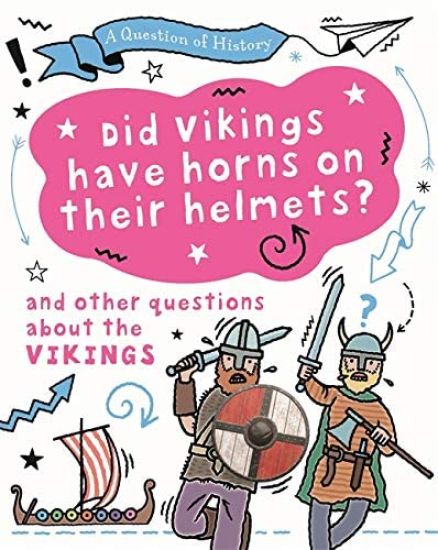
A Question of History: Did Vikings wear horns on their helmets? And other questions about the Vikings
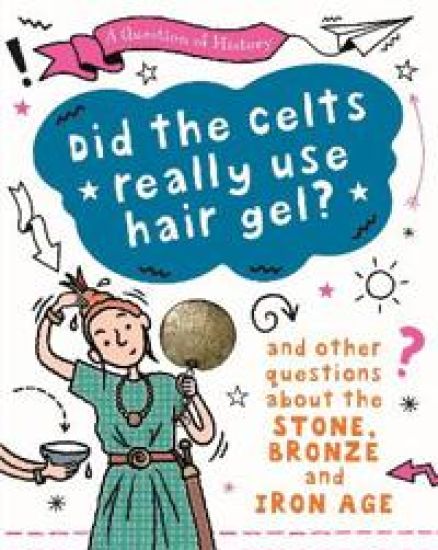
Discover the weird and wacky history of the Vikings! Why did Viking houses smell of fish (eew)? Did they really have horns on their helmets? And were the Vikings really the vainest people in Europe? With an engaging question and answer format, this series draws young readers into the fascinating, sometimes gruesome, world of famous peoples and civilisations through history. Each spread opens with a simple question, opening up an exploration of an aspect of the life of a people or civilisation and busting some popular myths along the way!. The lively lay-out is supported by annotated photos and cartoons, making history fun and accessible for every young reader. Titles in the series: What happened to mummies' brains? And other questions about the Ancient EgyptiansDid the kings of Benin really keep pet leopards? And other questions about the kingdom of BeninDid the Celts really use hair gel? And other questions about the Stone Age, Iron Age and Bronze AgeWhy did the ancient Greeks use elephants in battle? And other questions about the ancient GreeksWhy did the Maya stick needles in their tongues? And other questions about the MayaDid the Romans really eat flamingos? And other questions about the RomansWhy did the Shang write on turtles? And other questions about the Shang Dynasty Did the Vikings really wear horns on their helmets? And other questions about the Vikings
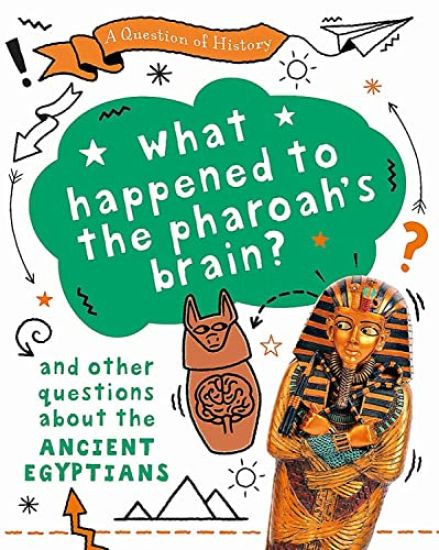
A Question of History: What happened to the pharaoh's brain? And other questions about ancient Egypt
Take a look at the wackier side of history! Why did the first pyramids fall down? How did Tutankhamun die? And what really happened to the pharaoh's brain? Discover the answers to these questions and much more in A Question of History: The Ancient Egyptians! With an engaging question and answer format, this series draws young readers into the fascinating, sometimes gruesome, world of famous peoples and civilisations through history. Each spread opens with a simple question, opening up an exploration of an aspect of the life of a people or civilisation and busting some popular myths along the way! The lively lay-out is supported by annotated photos and cartoons, making history fun and accessible for every young reader. Titles in the series: What happened to mummies' brains? And other questions about the Ancient EgyptiansDid the kings of Benin really keep pet leopards? And other questions about the kingdom of BeninDid the Celts really use hair gel? And other questions about the Stone Age, Iron Age and Bronze AgeWhy did the ancient Greeks use elephants in battle? And other questions about the ancient GreeksWhy did the Maya stick needles in their tongues? And other questions about the MayaDid the Romans really eat flamingos? And other questions about the RomansWhy did the Shang write on turtles? And other questions about the Shang Dynasty Did the Vikings really wear horns on their helmets? And other questions about the Vikings
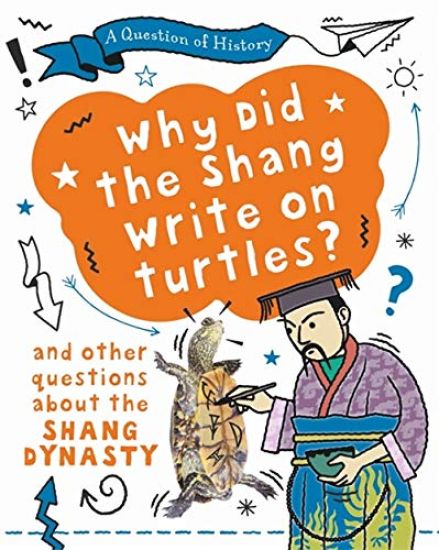
A Question of History: Why did the Shang write on turtles? And other questions about the Shang Dynasty
Take a look at the wackier side of history! Who were the Shang people? Why did they LOVE mud and moths? And just what made the Shang such fearsome warriors? A Question of History: The Shang Civilisation answers all these questions and much more. With an engaging question and answer format, this series draws young readers into the fascinating, sometimes gruesome, world of famous peoples and civilisations through history. Each spread opens with a simple question, opening up an exploration of an aspect of the life of a people or civilisation and busting some popular myths along the way! The lively lay-out is supported by annotated photos and cartoons, making history fun and accessible for readers aged 8+. Titles in the series: What happened to mummies' brains? And other questions about the Ancient EgyptiansDid the kings of Benin really keep pet leopards? And other questions about the kingdom of BeninDid the Celts really use hair gel? And other questions about the Stone Age, Iron Age and Bronze AgeWhy did the ancient Greeks use elephants in battle? And other questions about the ancient GreeksWhy did the Maya stick needles in their tongues? And other questions about the MayaDid the Romans really eat flamingos? And other questions about the RomansWhy did the Shang write on turtles? And other questions about the Shang Dynasty Did the Vikings really wear horns on their helmets? And other questions about the Vikings
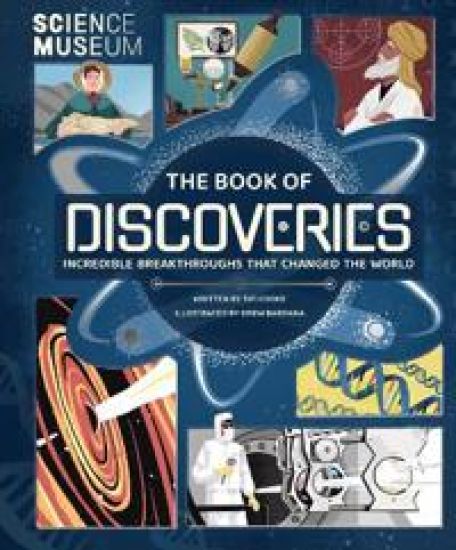
The Book of Discoveries: Incredible Breakthroughs That Changed the World
Explore the world's most significant, innovative and amazing discoveries in association with the Science Museum in London. What is a discovery? It's when you observe, learn, or explain something for the first time--but not just anything. It's not like learning the French word for "breakfast" or where the closest grocery store is. A discovery isn't learning something that you didn't know. It's learning something that no one knew but that was always there, waiting to be found out. Find out how, when and why vital discoveries took place, and learn more about the people who made the breakthroughs. Learn how the principles they discovered became the basis of inventions and other advances that shaped our history and the way we live today. Find out about the combination of inspiration and perspiration that helped pioneers piece together an ever-deeper understanding of ourselves, our planet and the universe around us. Featuring more than 40 discoveries, from gravity to the circulation of the blood, the Big Bang to the movement of subatomic particles, this brilliant STEM-themed read will get kids interested in the fundamental ideas and laws that make the world go round.
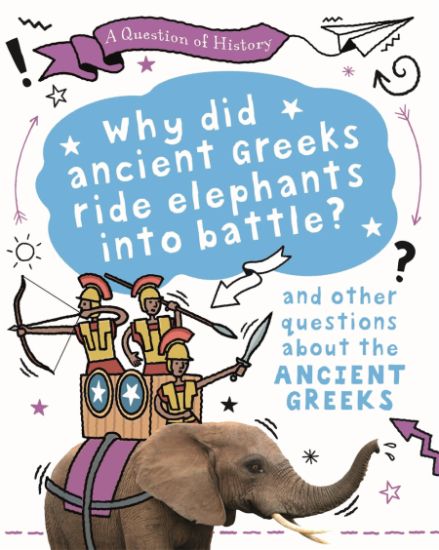
A Question of History: Why did the ancient Greeks ride elephants into battle? And other questions about ancient Greece
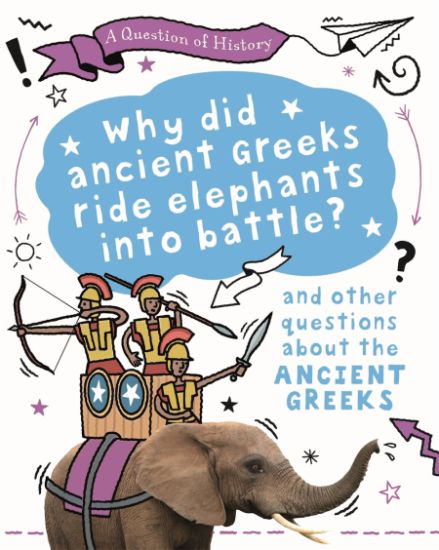
Take a look at the wackier side of history! Why did Minoans have strong ankles? How did an owl inspire a city? And why on Earth did the ancient Greeks exercise NAKED? With an engaging question and answer format, this series draws young readers into the fascinating, sometimes gruesome, world of famous peoples and civilisations through history. Each spread opens with a simple question, opening up an exploration of an aspect of the life of a people or civilisation and busting some popular myths along the way!. The lively lay-out is supported by annotated photos and cartoons, making history fun and accessible for every young reader. Titles in the series: What happened to mummies' brains? And other questions about the Ancient EgyptiansDid the kings of Benin really keep pet leopards? And other questions about the kingdom of BeninDid the Celts really use hair gel? And other questions about the Stone Age, Iron Age and Bronze AgeWhy did the ancient Greeks use elephants in battle? And other questions about the ancient GreeksWhy did the Maya stick needles in their tongues? And other questions about the MayaDid the Romans really eat flamingos? And other questions about the RomansWhy did the Shang write on turtles? And other questions about the Shang Dynasty Did the Vikings really wear horns on their helmets? And other questions about the Vikings
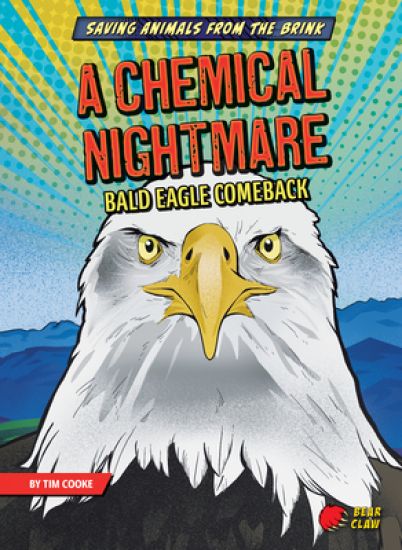
A Chemical Nightmare: Bald Eagle Comeback
The Eagle Man, Charles Broley, loved the majestic birds he saw flying through the sky. He spent his retirement studying bald eagles across the United States and Canada. So, when he learned that they were in danger, he knew he had to figure out what was wrong. Follow along in this graphic adventure based on a true story about how citizens and scientists alike worked together to help save the iconic American symbol. Then, learn more about bald eagles and other eagles in danger.