

Kirjailija
Tim Lang
Kirjat ja teokset yhdessä paikassa: 17 kirjaa, julkaisuja vuosilta 2009–2024, suosituimpiin kuuluu Eine Liebeserklärung an Ljubljana. Vertaile teosten hintoja ja tarkista saatavuus suomalaisista kirjakaupoista.
17 kirjaa
Kirjojen julkaisuvuodet: 2009–2024.



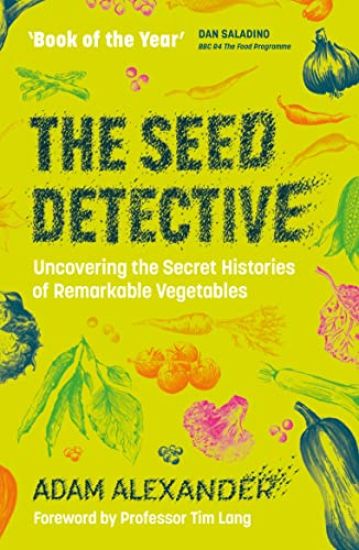
The Seed Detective
Adam Alexander; Tim Lang
Chelsea Green Publishing UK
2023
pokkari
Halvin toimitettuna 23,90 €
Radio 4's The Food Programme Book of the Year, chosen by Dan Saladino An Irish Times Best Gardening Book 2023 Shortlisted for the Garden Media Guild’s Garden Book of the Year Award 2023 Longlisted for The Art of Eating Prize 2023 ‘If you’re a vegetable growing addict or just curious about their origins, there’s something for everyone in Adam’s new book.’ Rob Smith, TV presenter '[This book] is a clarion call to think about our food in new ways and carefully consider where it comes from.' New Scientist Meet the Indiana Jones of vegetables on his quest to save our heritage produce. Have you ever wondered how everyday staples such as peas, kale, asparagus, beans, squash and sweetcorn ended up on our plates? Well, so did Adam Alexander. Adam’s passion for heritage vegetables was ignited when he tasted an unusual, sweet and fiery pepper while on a filmmaking project in Ukraine. Smitten by its flavour, he began to seek out local growers of old and near-forgotten varieties in a mission to bring home seeds to grow and share – saving them from being lost forever. In The Seed Detective, Adam tells of his far flung (and closer to home) seed-hunting adventures and reveals the stories behind many of our everyday vegetable heroes. How the common garden pea was domesticated from three wild species over 8,500 years ago, that the first carrots originated in Afghanistan (and were actually purple or red in colour), how Egyptian priests considered it a crime to look at a fava bean and that the Romans were fanatical about asparagus. Join The Seed Detective as he takes us on a journey that began when we left the life of hunter-gatherers to become farmers. Sharing storiesof globalisation, political intrigue, colonisation and serendipity, Adam shows us the vital part vegetables have played in our food story – and how they are the key to our future. ‘Informative, enlightening and entertaining but also important.’ Mark Diacono ‘One of the most inspirational books I have encountered.’ Darina Allen
Radio 4's The Food Programme Book of the Year, chosen by Dan Saladino An Irish Times Best Gardening Book 2023 Shortlisted for the Garden Media Guild’s Garden Book of the Year Award 2023 Longlisted for The Art of Eating Prize 2023 ‘If you’re a vegetable growing addict or just curious about their origins, there’s something for everyone in Adam’s new book.’ Rob Smith, TV presenter '[This book] is a clarion call to think about our food in new ways and carefully consider where it comes from.' New Scientist Meet the Indiana Jones of vegetables on his quest to save our heritage produce. Have you ever wondered how everyday staples such as peas, kale, asparagus, beans, squash and sweetcorn ended up on our plates? Well, so did Adam Alexander. Adam’s passion for heritage vegetables was ignited when he tasted an unusual, sweet and fiery pepper while on a filmmaking project in Ukraine. Smitten by its flavour, he began to seek out local growers of old and near-forgotten varieties in a mission to bring home seeds to grow and share – saving them from being lost forever. In The Seed Detective, Adam tells of his far flung (and closer to home) seed-hunting adventures and reveals the stories behind many of our everyday vegetable heroes. How the common garden pea was domesticated from three wild species over 8,500 years ago, that the first carrots originated in Afghanistan (and were actually purple or red in colour), how Egyptian priests considered it a crime to look at a fava bean and that the Romans were fanatical about asparagus. Join The Seed Detective as he takes us on a journey that began when we left the life of hunter-gatherers to become farmers. Sharing storiesof globalisation, political intrigue, colonisation and serendipity, Adam shows us the vital part vegetables have played in our food story – and how they are the key to our future. ‘Informative, enlightening and entertaining but also important.’ Mark Diacono ‘One of the most inspirational books I have encountered.’ Darina Allen
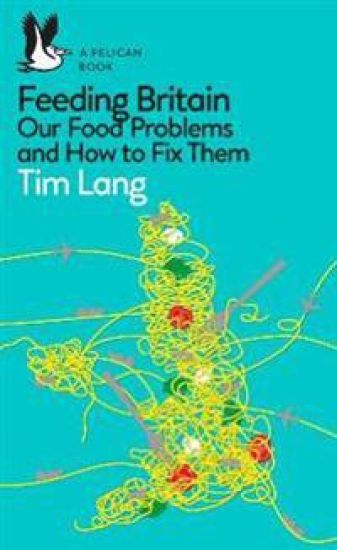
How does Britain get its food? Why is our current system at breaking point? How can we fix it before it is too late? British food has changed remarkably in the last half century. As we have become wealthier and more discerning, our food has Europeanized (pizza is children's favourite food) and internationalized (we eat the world's cuisines), yet our food culture remains fragmented, a mix of mass 'ultra-processed' substances alongside food as varied and good as anywhere else on the planet. This book takes stock of the UK food system: where it comes from, what we eat, its impact, fragilities and strengths. It is a book on the politics of food. It argues that the Brexit vote will force us to review our food system. Such an opportunity is sorely needed. After a brief frenzy of concern following the financial shock of 2008, the UK government has slumped once more into a vague hope that the food system will keep going on as before. Food, they said, just required a burst of agri-technology and more exports to pay for our massive imports. Feeding Britain argues that this and other approaches are short-sighted, against the public interest, and possibly even strategic folly. Setting a new course for UK food is no easy task but it is a process, this book urges, that needs to begin now.'Tim Lang has performed a public service' Simon Jenkins, Sunday Times
How can huge populations be fed healthily, equitably and affordably while maintaining the ecosystems on which life depends? The evidence of diet’s impact on public health and the environment has grown in recent decades, yet changing food supply, consumer habits and economic aspirations proves hard. This book explores what is meant by sustainable diets and why this has to be the goal for the Anthropocene, the current era in which human activities are driving the mismatch of humans and the planet. Food production and consumption are key drivers of transitions already underway, yet policy makers hesitate to reshape public eating habits and tackle the unsustainability of the global food system. The authors propose a multi-criteria approach to sustainable diets, giving equal weight to nutrition and public health, the environment, socio-cultural issues, food quality, economics and governance. This six-pronged approach to sustainable diets brings order and rationality to what either is seen as too complex to handle or is addressed simplistically and ineffectually. The book provides a major overview of this vibrant issue of interdisciplinary and public interest. It outlines the reasons for concern and how actors throughout the food system (governments, producers, civil society and consumers) must engage with (un)sustainable diets.
How can huge populations be fed healthily, equitably and affordably while maintaining the ecosystems on which life depends? The evidence of diet’s impact on public health and the environment has grown in recent decades, yet changing food supply, consumer habits and economic aspirations proves hard. This book explores what is meant by sustainable diets and why this has to be the goal for the Anthropocene, the current era in which human activities are driving the mismatch of humans and the planet. Food production and consumption are key drivers of transitions already underway, yet policy makers hesitate to reshape public eating habits and tackle the unsustainability of the global food system. The authors propose a multi-criteria approach to sustainable diets, giving equal weight to nutrition and public health, the environment, socio-cultural issues, food quality, economics and governance. This six-pronged approach to sustainable diets brings order and rationality to what either is seen as too complex to handle or is addressed simplistically and ineffectually. The book provides a major overview of this vibrant issue of interdisciplinary and public interest. It outlines the reasons for concern and how actors throughout the food system (governments, producers, civil society and consumers) must engage with (un)sustainable diets.

In the years since publication of the first edition of Food Wars much has happened in the world of food policy. This new edition brings these developments fully up to date within the original analytical framework of competing paradigms or worldviews shaping the direction and decision-making within food politics and policy. The key theme of the importance of integrating human and environmental health has become even more pressing. In the first edition the authors set out and brought together the different strands of emerging agendas and competing narratives. The second edition retains the same core structure and includes updated examples, case studies and the new issues which show how these conflicting tendencies have played out in practice over recent years and what this tells us about the way the global food system is heading. Examples of key issues given increased attention include: nutrition, including the global rise in obesity, as well as chronic conditions, hunger and under-nutritionthe environment, particularly the challenges of climate change, biodiversity loss, water stress and food securityfood industry concentration and market powervolatility and uncertainty over food prices and policy responsestensions over food, democracy and citizenshipsocial and cultural aspects impacting food and nutrition policies.
In the years since publication of the first edition of Food Wars much has happened in the world of food policy. This new edition brings these developments fully up to date within the original analytical framework of competing paradigms or worldviews shaping the direction and decision-making within food politics and policy. The key theme of the importance of integrating human and environmental health has become even more pressing. In the first edition the authors set out and brought together the different strands of emerging agendas and competing narratives. The second edition retains the same core structure and includes updated examples, case studies and the new issues which show how these conflicting tendencies have played out in practice over recent years and what this tells us about the way the global food system is heading. Examples of key issues given increased attention include: nutrition, including the global rise in obesity, as well as chronic conditions, hunger and under-nutritionthe environment, particularly the challenges of climate change, biodiversity loss, water stress and food securityfood industry concentration and market powervolatility and uncertainty over food prices and policy responsestensions over food, democracy and citizenshipsocial and cultural aspects impacting food and nutrition policies.
‘The Unmanageable Consumer has long been one of my favorite books in the sociology of consumption. This long overdue third edition has updated and revised the basic argument in many ways. Most importantly, it now offers a new chapter on the consumer as worker or, more generally, the prosumer. Assign it to your classes (I have…and will again) and read it for your edification.’ - George Ritzer, Distinguished University Professor, University of Maryland, USA Western-style consumerism is often presented as unstoppable, yet its costs mount and its grip on consumer reality weakens. In this 20th Anniversary edition, Gabriel and Lang restate their thesis that consumerism is more fragile and unmanageable than is assumed by its proponents. Consumerism has been both stretched and undermined by globalization, the internet, social media and other cultural changes. Major environmental threats, debt, squeezed incomes and social inequalities now temper Western consumers' appetite for spending. The 20th century Deal, first championed by Henry Ford, of more consumption from higher waged work looks tattered. This edition of The Unmanageable Consumer continues to explore 10 different consumer models, and encourages analysis of contemporary consumerism. It looks at the spread of consumerism to developing countries like India and China and considers the effects of demographic changes and migration, and points to new features such as consumers taking on unwaged work. New to this edition: Coverage of new phenomenon such as social media and emerging markets Explores contemporary topics including the occupy movement and horsemeat scandal A new chapter on the consumer as worker. 'This is a remarkable and important book. The new edition updates consumer cultural studies to take into account austerity politics and the economic crisis, and the impact these have had on how we think about and experience everyday practices of shopping and consuming. The authors also build on and maintain the lively and challenging argument from the previous volumes which sees the consumer as an unstable space for a multiplicity of often contradictory responses which can unsettle the various strategies on the part of contemporary capitalism to have us buy more.' - Angela McRobbie, Goldsmiths, University of London ‘The book exemplifies how social science should be: engaged, insightful, imaginative, scholarly and highly socially and politically relevant. Strongly recommended to students, academics as well as all people interested in understanding our time and themselves in an age of consumerism and false promises.’ - Mats Alvesson, Professor of Business Administration, Lund University, Sweden
The Unmanageable Consumer
Yiannis Gabriel; Tim Lang
SAGE Publications Ltd
2015
nidottu
Halvin toimitettuna 108,60 €
‘The Unmanageable Consumer has long been one of my favorite books in the sociology of consumption. This long overdue third edition has updated and revised the basic argument in many ways. Most importantly, it now offers a new chapter on the consumer as worker or, more generally, the prosumer. Assign it to your classes (I have…and will again) and read it for your edification.’ - George Ritzer, Distinguished University Professor, University of Maryland, USA Western-style consumerism is often presented as unstoppable, yet its costs mount and its grip on consumer reality weakens. In this 20th Anniversary edition, Gabriel and Lang restate their thesis that consumerism is more fragile and unmanageable than is assumed by its proponents. Consumerism has been both stretched and undermined by globalization, the internet, social media and other cultural changes. Major environmental threats, debt, squeezed incomes and social inequalities now temper Western consumers' appetite for spending. The 20th century Deal, first championed by Henry Ford, of more consumption from higher waged work looks tattered. This edition of The Unmanageable Consumer continues to explore 10 different consumer models, and encourages analysis of contemporary consumerism. It looks at the spread of consumerism to developing countries like India and China and considers the effects of demographic changes and migration, and points to new features such as consumers taking on unwaged work. New to this edition: Coverage of new phenomenon such as social media and emerging markets Explores contemporary topics including the occupy movement and horsemeat scandal A new chapter on the consumer as worker. 'This is a remarkable and important book. The new edition updates consumer cultural studies to take into account austerity politics and the economic crisis, and the impact these have had on how we think about and experience everyday practices of shopping and consuming. The authors also build on and maintain the lively and challenging argument from the previous volumes which sees the consumer as an unstable space for a multiplicity of often contradictory responses which can unsettle the various strategies on the part of contemporary capitalism to have us buy more.' - Angela McRobbie, Goldsmiths, University of London ‘The book exemplifies how social science should be: engaged, insightful, imaginative, scholarly and highly socially and politically relevant. Strongly recommended to students, academics as well as all people interested in understanding our time and themselves in an age of consumerism and false promises.’ - Mats Alvesson, Professor of Business Administration, Lund University, Sweden

What is public health? To some, it is about drains, water, food and housing, all requiring engineering and expert management. To others, it is the State using medicine or health education and tackling unhealthy lifestyles. This book argues that public health thinking needs an overhaul, a return to and modernisation around ecological principles. Ecological Public Health thinking, outlined here, fits the twenty-first century’s challenges. It integrates what the authors call the four dimensions of existence: the material, biological, social and cultural aspects of life. Public health becomes the task of transforming the relationship between people, their circumstances and the biological world of nature and bodies. For Geof Rayner and Tim Lang, this is about facing a number of long-term transitions, some well recognized, others not. These transitions are Demographic, Epidemiological, Urban, Energy, Economic, Nutrition, Biological, Cultural and Democracy itself. The authors argue that identifying large scale transitions such as these refocuses public health actions onto the conditions on which human and eco-systems health interact. Making their case, Rayner and Lang map past confusions in public health images, definitions and models. This is an optimistic book, arguing public health can be rescued from its current dilemmas and frustrations. This century’s agenda is unavoidably complex, however, and requires stronger and more daring combinations of interdisciplinary work, movements and professions locally, nationally and globally. Outlining these in the concluding section, the book charts a positive and reinvigorated institutional purpose.

What is public health? To some, it is about drains, water, food and housing, all requiring engineering and expert management. To others, it is the State using medicine or health education and tackling unhealthy lifestyles. This book argues that public health thinking needs an overhaul, a return to and modernisation around ecological principles. Ecological Public Health thinking, outlined here, fits the twenty-first century’s challenges. It integrates what the authors call the four dimensions of existence: the material, biological, social and cultural aspects of life. Public health becomes the task of transforming the relationship between people, their circumstances and the biological world of nature and bodies. For Geof Rayner and Tim Lang, this is about facing a number of long-term transitions, some well recognized, others not. These transitions are Demographic, Epidemiological, Urban, Energy, Economic, Nutrition, Biological, Cultural and Democracy itself. The authors argue that identifying large scale transitions such as these refocuses public health actions onto the conditions on which human and eco-systems health interact. Making their case, Rayner and Lang map past confusions in public health images, definitions and models. This is an optimistic book, arguing public health can be rescued from its current dilemmas and frustrations. This century’s agenda is unavoidably complex, however, and requires stronger and more daring combinations of interdisciplinary work, movements and professions locally, nationally and globally. Outlining these in the concluding section, the book charts a positive and reinvigorated institutional purpose.
For over half a century, food policy has mapped a path for progress based upon a belief that the right mix of investment, scientific input, and human skills could unleash a surge in productive capacity which would resolve humanity's food-related health and welfare problems. It assumed that more food would yield greater health and happiness by driving down prices, increasing availability, and feeding more mouths. In the 21st century, this policy mix is quietly becoming unstuck. In a world marred by obesity alongside malnutrition, climate change alongside fuel and energy crises, water stress alongside more mouths to feed, and social inequalities alongside unprecedented accumulation of wealth, the old rubric of food policy needs re-evaluation. This book explores the enormity of what the new policy mix must address, taking the approach that food policy must be inextricably linked with public health, environmental damage, and social inequalities to be effective. Written by three authors with differing backgrounds, one in political science, another in environmental health and health promotion, and the third in social psychology, this book reflects the myriad of perspectives essential to a comprehensive view of modern food policy. It attempts to make sense of what is meant by food policy; explores whether the term has any currency in current policy discourse; assesses whether current policies help or hinder what happens; judges whether consensus can triumph in the face of competing bids for understanding; looks at all levels of governance, across the range of actors in the food system, from companies and the state to civil society and science; considers what direction food policies are taking, not just in the UK but internationally; assesses who (and what) gains or loses in the making of these food policies; and identifies a modern framework for judging how good or limited processes of policy-making are. This book provides a major comprehensive review of current and past food policy, thinking and proposing the need for what the authors call an ecological public health approach to food policy. Nothing less will be fit for the 21st century.