Kirjojen hintavertailu – 12 859 819 kirjaa ja 27 kauppaa

Kirjailija

Tim Lenton

Kirjat ja teokset yhdessä paikassa: 4 kirjaa, julkaisuja vuosilta 2011–2025, suosituimpiin kuuluu Revolutions that Made the Earth. Vertaile teosten hintoja ja tarkista saatavuus suomalaisista kirjakaupoista.

4 kirjaa

Kirjojen julkaisuvuodet: 2011–2025.

Positive Tipping Points

Positive Tipping Points

Tim Lenton

Oxford University Press
2025
sidottu

Halvin toimitettuna 28,50 €

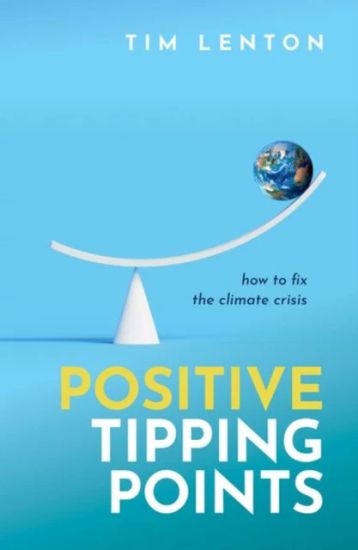
We can all play a part in triggering positive tipping points that accelerate us out of the climate crisis. How do we get out of a climate crisis of our own making? As global change escalates, we are already starting to experience damaging tipping points in the social, ecological and climate systems that we depend upon - and much worse is to come. These shocks tell us we have left it too late for incremental change to save us: we need to change course fast to avoid the worst, yet we are acting far too slowly. Our supposed leaders appear paralysed by the complexity of the situation or, worse still, determined to maintain the status quo. This is leading to increasing despair, especially among young people. At the same time, hopeful signs of change are also growing fast. The climate movement, the spread of electric vehicles, and the rise of renewable energy are all examples of change accelerating in the right direction. They have all passed tipping points where their uptake becomes self-propelling, taking the status quo by surprise - and they are spreading worldwide. To get ourselves out of trouble in time, we need more of these positive tipping points towards global sustainability, which eliminate greenhouse gas emissions, reverse the destruction of nature, and promote social justice. This book identifies the positive tipping points that can help us avoid the worst from damaging tipping points. It takes the reader on a journey through understanding how tipping points happen, showing how tipping points have transformed human societies in the past, and facing up to the profound risks that climate tipping points pose to us all now. Then, it offers hope and empowerment in a series of uplifting examples of social and technological changes that started small but are already spreading rapidly to transform our societies to a more sustainable state. It identifies the positive tipping points that are still needed, the forces that are opposing them, and the actions that can trigger them, showing how we can all play a part in triggering positive tipping points that accelerate us out of the climate crisis.
Earth System Science

Earth System Science

Tim Lenton

Oxford University Press
2016
nidottu

Halvin toimitettuna 18,90 €

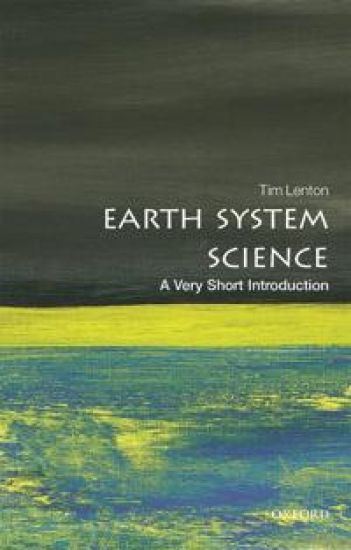
When humanity first glimpsed planet Earth from space, the unity of the system that supports humankind entered the popular consciousness. The concept of the Earth's atmosphere, biosphere, oceans, soil, and rocks operating as a closely interacting system has rapidly gained ground in science. This new field, involving geographers, geologists, biologists, oceanographers, and atmospheric physicists, is known as Earth System Science. In this Very Short Introduction, Tim Lenton considers how a world in which humans could evolve was created; how, as a species, we are now reshaping that world; and what a sustainable future for humanity within the Earth System might look like. Drawing on elements of geology, biology, chemistry, physics, and mathematics, Lenton asks whether Earth System Science can help guide us onto a sustainable course before we alter the Earth system to the point where we destroy ourselves and our current civilisation. ABOUT THE SERIES: The Very Short Introductions series from Oxford University Press contains hundreds of titles in almost every subject area. These pocket-sized books are the perfect way to get ahead in a new subject quickly. Our expert authors combine facts, analysis, perspective, new ideas, and enthusiasm to make interesting and challenging topics highly readable.
Revolutions that Made the Earth

Revolutions that Made the Earth

Tim Lenton; Andrew Watson

Oxford University Press
2013
nidottu
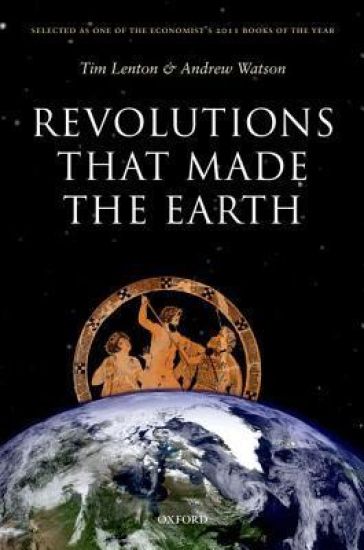
The Earth that sustains us today was born out of a few remarkable, near-catastrophic revolutions, started by biological innovations and marked by global environmental consequences. The revolutions have certain features in common, such as an increase in the complexity, energy utilization, and information processing capabilities of life. This book describes these revolutions, showing the fundamental interdependence of the evolution of life and its non-living environment. We would not exist unless these upheavals had led eventually to 'successful' outcomes - meaning that after each one, at length, a new stable world emerged. The current planet-reshaping activities of our species may be the start of another great Earth system revolution, but there is no guarantee that this one will be successful. This book explains what a successful transition through it might look like, if we are wise enough to steer such a course. This book places humanity in context as part of the Earth system, using a new scientific synthesis to illustrate our debt to the deep past and our potential for the future.
Revolutions that Made the Earth

Revolutions that Made the Earth

Tim Lenton; Andrew Watson

Oxford University Press
2011
sidottu
The Earth that sustains us today was born out of a few remarkable, near-catastrophic revolutions, started by biological innovations and marked by global environmental consequences. The revolutions have certain features in common, such as an increase in complexity, energy utilization, and information processing by life. This book describes these revolutions, showing the fundamental interdependence of the evolution of life and its non-living environment. We would not exist unless these upheavals had led eventually to 'successful' outcomes - meaning that after each one, at length, a new stable world emerged. The current planet-reshaping activities of our species may be the start of another great Earth system revolution, but there is no guarantee that this one will be successful. The book explains what a successful transition through it might look like, if we are wise enough to steer such a course. This book places humanity in context as part of the Earth system, using a new scientific synthesis to illustrate our debt to the deep past and our potential for the future.