Kirjojen hintavertailu – 12 859 826 kirjaa ja 27 kauppaa

Kirjailija

Timothy B. Krebs

Kirjat ja teokset yhdessä paikassa: 4 kirjaa, julkaisuja vuosilta 2020–2025, suosituimpiin kuuluu Understanding Urban Politics. Vertaile teosten hintoja ja tarkista saatavuus suomalaisista kirjakaupoista.

4 kirjaa

Kirjojen julkaisuvuodet: 2020–2025.

Understanding Urban Politics

Understanding Urban Politics

Arnold Fleischmann; Timothy B. Krebs

BLOOMSBURY PUBLISHING PLC
2025
sidottu
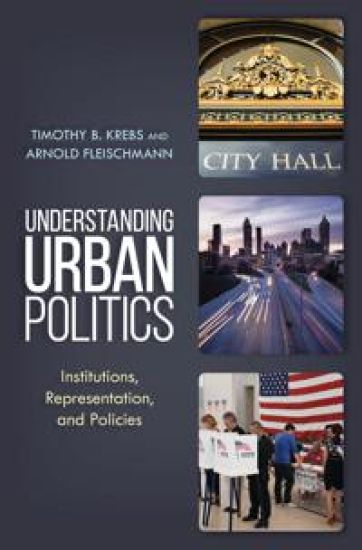
In Understanding Urban Politics: Institutions, Representation, and Policies, Timothy B. Krebs and Arnold Fleischmann introduce a framework that focuses on the role of institutions in establishing the political “rules of the game,” the representativeness of city government, the influence of participation in local democracy, and how each of these features influences the adoption and implementation of public policies. Part 1 lays the groundwork by exploring the many meanings of “urban,” analyzing what local governments do, and providing a concise history of American urban development. Part 2 examines the organizations and procedures that are central to urban politics and policy making: intergovernmental relations, local legislatures, and the local executive branch. Part 3 looks at elections and voting, local campaigns, and non-electoral forms of participation. The four chapters in Part 4 focus on the policy process and the delivery of local services, local government finances, “Building the City” (economic development, land use, and housing), and policies affecting the quality of life (public safety, the environment, “morality” issues, and urban amenities). Krebs and Fleischmann bolster students’ learning and skills with guiding questions at the start of each chapter, which ends with key terms, a summary, discussion questions, and research exercises. The appendix and website aid these efforts, as does a website for instructors. The second edition will be updated throughout to highlight the pandemic, policing, climate change, and several other developments.

Understanding Urban Politics

Understanding Urban Politics

Arnold Fleischmann; Timothy B. Krebs

BLOOMSBURY PUBLISHING PLC
2025
nidottu
In Understanding Urban Politics: Institutions, Representation, and Policies, Timothy B. Krebs and Arnold Fleischmann introduce a framework that focuses on the role of institutions in establishing the political “rules of the game,” the representativeness of city government, the influence of participation in local democracy, and how each of these features influences the adoption and implementation of public policies. Part 1 lays the groundwork by exploring the many meanings of “urban,” analyzing what local governments do, and providing a concise history of American urban development. Part 2 examines the organizations and procedures that are central to urban politics and policy making: intergovernmental relations, local legislatures, and the local executive branch. Part 3 looks at elections and voting, local campaigns, and non-electoral forms of participation. The four chapters in Part 4 focus on the policy process and the delivery of local services, local government finances, “Building the City” (economic development, land use, and housing), and policies affecting the quality of life (public safety, the environment, “morality” issues, and urban amenities). Krebs and Fleischmann bolster students’ learning and skills with guiding questions at the start of each chapter, which ends with key terms, a summary, discussion questions, and research exercises. The appendix and website aid these efforts, as does a website for instructors. The second edition will be updated throughout to highlight the pandemic, policing, climate change, and several other developments.
Understanding Urban Politics

Understanding Urban Politics

Timothy B. Krebs; Arnold Fleischmann

Rowman Littlefield
2020
sidottu
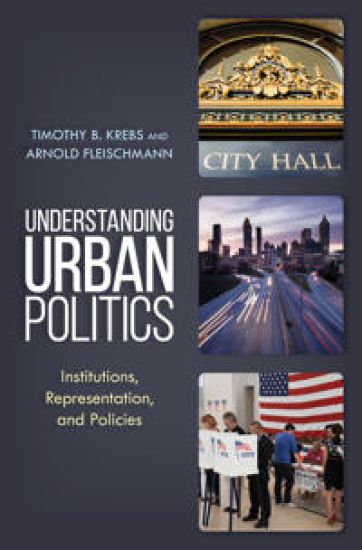
In Understanding Urban Politics: Institutions, Participation, and Policies, Timothy B. Krebs and Arnold Fleischmann introduce framework that focuses on the role of institutions in establishing the political “rules of the game,” the representativeness of city government, the influence of participation in local democracy, and how each of these features influences the adoption and implementation of public policies. Part 1 lays the groundwork for the rest of the book by exploring the many meanings of “urban,” analyzing what local governments do, and providing a history of American urban development. Part 2 examines the organizations and procedures that are central to urban politics and policy making: intergovernmental relations, local legislatures, and the local executive branch. Part 3 looks at elections and voting, local campaigns, and non-voting forms of participation. The four chapters in Part 4 focus on the policy process and the delivery of local services, local government finances, “Building the City” (economic development, land use, and housing), and policies affecting the quality of life (public safety, the environment, “morality” issues, and urban amenities). Krebs and Fleischmann bolster students’ learning and skills with guiding questions at the start of each chapter, which ends with key terms, a summary, discussion questions, and research exercises. The appendix and website aid these efforts, as does a website for instructors.
Understanding Urban Politics

Understanding Urban Politics

Timothy B. Krebs; Arnold Fleischmann

Rowman Littlefield
2020
nidottu
In Understanding Urban Politics: Institutions, Participation, and Policies, Timothy B. Krebs and Arnold Fleischmann introduce framework that focuses on the role of institutions in establishing the political “rules of the game,” the representativeness of city government, the influence of participation in local democracy, and how each of these features influences the adoption and implementation of public policies. Part 1 lays the groundwork for the rest of the book by exploring the many meanings of “urban,” analyzing what local governments do, and providing a history of American urban development. Part 2 examines the organizations and procedures that are central to urban politics and policy making: intergovernmental relations, local legislatures, and the local executive branch. Part 3 looks at elections and voting, local campaigns, and non-voting forms of participation. The four chapters in Part 4 focus on the policy process and the delivery of local services, local government finances, “Building the City” (economic development, land use, and housing), and policies affecting the quality of life (public safety, the environment, “morality” issues, and urban amenities). Krebs and Fleischmann bolster students’ learning and skills with guiding questions at the start of each chapter, which ends with key terms, a summary, discussion questions, and research exercises. The appendix and website aid these efforts, as does a website for instructors.