Kirjojen hintavertailu – 12 859 829 kirjaa ja 27 kauppaa

Kirjailija

Timothy Darvill

Kirjat ja teokset yhdessä paikassa: 9 kirjaa, julkaisuja vuosilta 2000–2021, suosituimpiin kuuluu Prehistoric Gloucestershire. Vertaile teosten hintoja ja tarkista saatavuus suomalaisista kirjakaupoista.

9 kirjaa

Kirjojen julkaisuvuodet: 2000–2021.

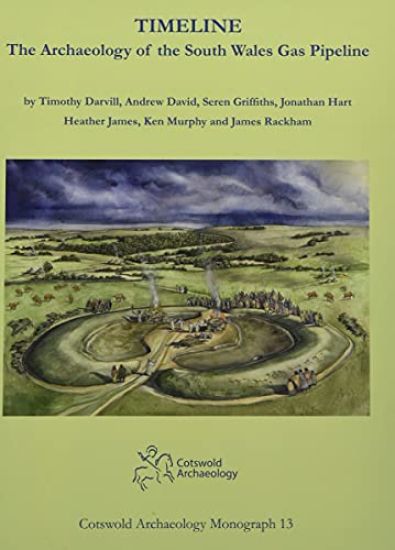
Timeline. The Archaeology of the South Wales Gas Pipeline

Timeline. The Archaeology of the South Wales Gas Pipeline

Timothy Darvill; Andrew David; Seren Griffiths; Jonathan Hart; Heather James; James Rackham

Cotswold Archaeological Trust Ltd
2021
sidottu
The construction of a natural gas pipeline across southern Wales and into Herefordshire and Gloucestershire between 2005 and 2007 resulted in numerous archaeological discoveries, including sites of national significance. The project not only produced a wealth of new archaeological sites, it also generated important radiocarbon and environmental datasets for the region. The earliest activity is indicated by worked flint of Mesolithic (or earlier) date, with the earliest Neolithic communities represented by pits, evidence for occasional timber houses, and the discovery of a previously unknown henge. Beaker and Bronze Age settlement and burial remains were found too, including a rare copper halberd. The excavations also produced evidence for Early Bronze Age houses and numerous examples of burnt mounds. Other discoveries comprised much new evidence for Iron Age settlement (including some in areas of upland), Roman roads, crop-processing ovens, and ironworking. Rare evidence for the early medieval period was also found, along with the remains of later farmsteads and field systems. Moves towards industrialisation were reflected in the discovery of a brick kiln and charcoal-burning platforms.
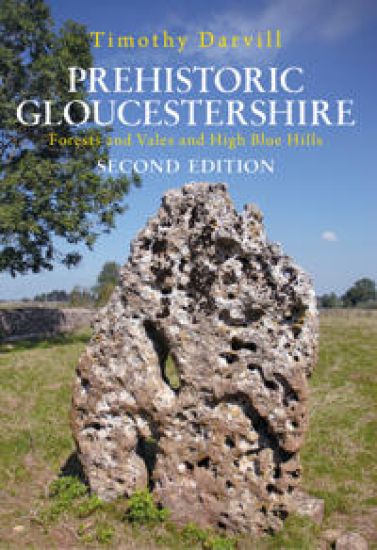
Prehistoric Gloucestershire

Prehistoric Gloucestershire

Timothy Darvill

Amberley Publishing
2011
nidottu
From the camps and caves occupied by hunter-gatherer groups visiting the area during the last Ice Age, through the long barrows and camps of the first farmers, to the massive hillforts and enclosures built by Celtic chieftains in the centuries before the Roman Conquest, this book charts the story of Gloucestershires landscape and its inhabitants over a period spanning more than half a million years. Drawing on the results of excavations at familiar landmarks such as King Arthurs Cave, Belas Knap, Hetty Peglers Tump, and Uley Bury, the second edition is fully updated with the results of finds, excavations and research over the last two decades.
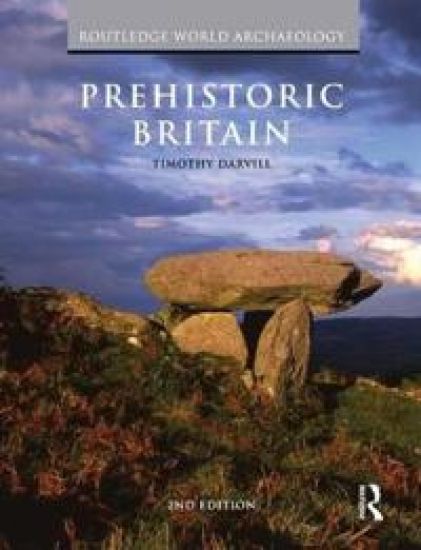
Prehistoric Britain

Prehistoric Britain

Timothy Darvill

Routledge
2010
nidottu
Britain has been inhabited by humans for over half a million years, during which time there were a great many changes in lifestyles and in the surrounding landscape. This book, now in its second edition, examines the development of human societies in Britain from earliest times to the Roman conquest of AD 43, as revealed by archaeological evidence. Special attention is given to six themes which are traced through prehistory: subsistence, technology, ritual, trade, society, and population. Prehistoric Britain begins by introducing the background to prehistoric studies in Britain, presenting it in terms of the development of interest in the subject and the changes wrought by new techniques such as radiocarbon dating, and new theories, such as the emphasis on social archaeology. The central sections trace the development of society from the hunter-gatherer groups of the last Ice Age, through the adoption of farming, the introduction of metalworking, and on to the rise of highly organized societies living on the fringes of the mighty Roman Empire in the 1st century AD. Throughout, emphasis is given to documenting and explaining changes within these prehistoric communities, and to exploring the regional variations found in Britain. In this way the wealth of evidence that can be seen in the countryside and in our museums is placed firmly in its proper context. It concludes with a review of the effects of prehistoric communities on life today. With over 120 illustrations, this is a unique review of Britain's ancient past as revealed by modern archaeology. The revisions and updates to Prehistoric Britain ensure that this will continue to be the most comprehensive and authoritative account of British prehistory for those students and interested readers studying the subject.
Prehistoric Britain

Prehistoric Britain

Timothy Darvill

Routledge
2010
sidottu
Britain has been inhabited by humans for over half a million years, during which time there were a great many changes in lifestyles and in the surrounding landscape. This book, now in its second edition, examines the development of human societies in Britain from earliest times to the Roman conquest of AD 43, as revealed by archaeological evidence. Special attention is given to six themes which are traced through prehistory: subsistence, technology, ritual, trade, society, and population. Prehistoric Britain begins by introducing the background to prehistoric studies in Britain, presenting it in terms of the development of interest in the subject and the changes wrought by new techniques such as radiocarbon dating, and new theories, such as the emphasis on social archaeology. The central sections trace the development of society from the hunter-gatherer groups of the last Ice Age, through the adoption of farming, the introduction of metalworking, and on to the rise of highly organized societies living on the fringes of the mighty Roman Empire in the 1st century AD. Throughout, emphasis is given to documenting and explaining changes within these prehistoric communities, and to exploring the regional variations found in Britain. In this way the wealth of evidence that can be seen in the countryside and in our museums is placed firmly in its proper context. It concludes with a review of the effects of prehistoric communities on life today. With over 120 illustrations, this is a unique review of Britain's ancient past as revealed by modern archaeology. The revisions and updates to Prehistoric Britain ensure that this will continue to be the most comprehensive and authoritative account of British prehistory for those students and interested readers studying the subject.
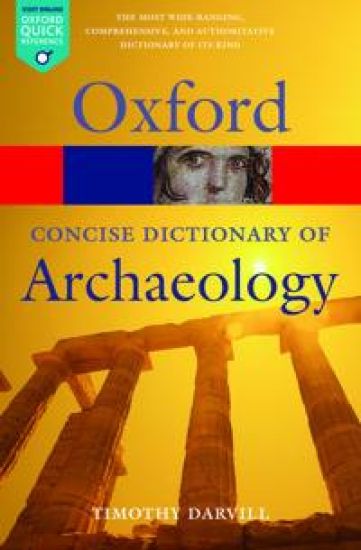
Concise Oxford Dictionary of Archaeology

Concise Oxford Dictionary of Archaeology

Timothy Darvill

Oxford University Press
2008
nidottu

Halvin toimitettuna 26,10 €

The most wide-ranging, comprehensive, and up-to-date dictionary of archaeology available. Over 4,000 entries cover the terms encountered in academic and popular archaeological literature, in lectures, and on television. Topics covered include artefacts, techniques, terminology, people, sites, and periods, and specialist areas such as industrial and maritime archaeology. The second edition is fully revised and updated, now including 150 new entries on archaeological sites, terms, movements, and people, plus extended coverage of archaeological resource management and archaeological theory. The dictionary's primary focus is on Europe, the Old World, and the Americas, as these are the regions where archaeology has become an established academic and vocational subject, but it includes key archaeological sites around the world. A quick-reference section covers chronological periods around the world, Egyptian rulers and dynasties, Roman rulers and dynasties, rulers of England to AD 1066, and principal international conventions and recommendations. New to this edition, recommended web links for over 100 entries are updated on the Dictionary of Archaeology companion website.
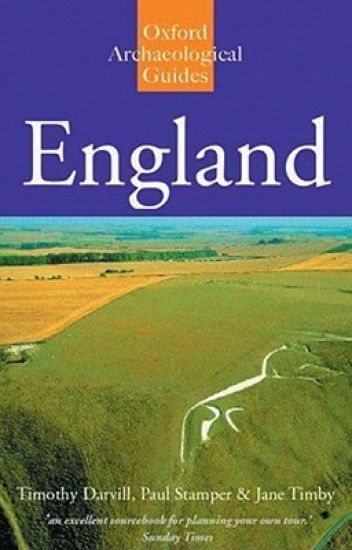
England

England

Timothy Darvill; Jane Timby; Paul Stamper

Oxford University Press
2002
nidottu
Travelling around England is in many senses a journey back in time. On all sides, and sometimes even under the road or footpath itself, there are fragments of the ancient past side by side with the clutter of the modern world. Medieval villages, castles, ancient churches, and Roman villas are commonplace and take us back to the time of Christ. Far older, yet equally abundant, are the barrows, hillforts, stone circles, camps, standing stones, trackways, and other relics of prehistoric times that have survived for several thousand years. This Guide is all about these ancient remains: the prehistoric, Roman, and medieval sites which date from the time between the first appearance of people in what we now call England during the last Ice Age and the end of medieval times around 1600 AD.
Prehistory

Prehistory

Mike Corbishley; Timothy Darvill; Peter Stone

Historic England
2000
nidottu
The landscape is full of evidence of the people who lived in the vast period of time covering over 99% of the human past, which we now refer to as ‘prehistory’. This book outlines our present understanding of what life must have been like so long ago, now less sketchy thanks to recent archaeological investigation. It shows how studying the evidence can be used in a number of curriculum subjects. This book suggests educational strategies for the use of historic landscapes, sites and buildings.