Kirjojen hintavertailu – 12 903 725 kirjaa ja 27 kauppaa

Kirjailija

Timothy J. Lensmire

Kirjat ja teokset yhdessä paikassa: 5 kirjaa, julkaisuja vuosilta 2017–2024, suosituimpiin kuuluu White Folks. Vertaile teosten hintoja ja tarkista saatavuus suomalaisista kirjakaupoista.

5 kirjaa

Kirjojen julkaisuvuodet: 2017–2024.

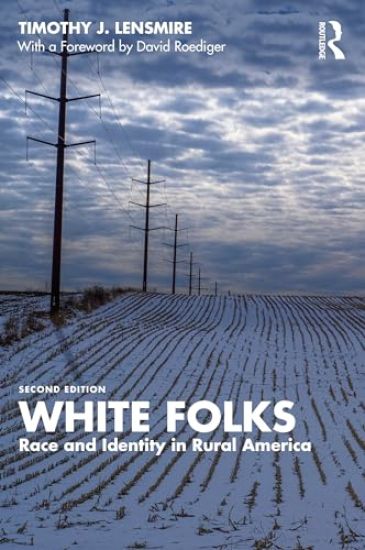
White Folks

White Folks

Timothy J. Lensmire

TAYLOR FRANCIS LTD
2024
nidottu
White Folks explores the experiences and stories of eight white people from a small farming community in northern Wisconsin. Drawing on in-depth interviews with Delores, Frank, William, Erin, Robert, Libby, and Stan, as well as on his own experiences growing up in this same rural community, Lensmire creates a portrait of white people that highlights the profound ambivalence that has characterized white thinking and feeling in relation to people of color for at least the last two hundred years. White people’s relations to people of color and their cultures are characterized not just by fear, rejection, and violence, but also by attraction, envy, and desire. There is nothing smooth about the souls of white folks. This second edition of White Folks features a new foreword—by renowned critical whiteness studies scholar David Roediger—that places the book in historical and political context. It also includes an expanded discussion by Lensmire on doing research on race with white people.
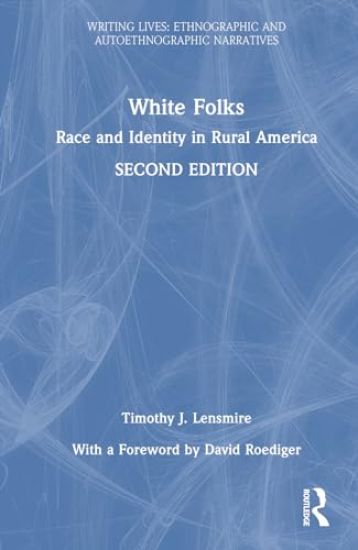
White Folks

White Folks

Timothy J. Lensmire

TAYLOR FRANCIS LTD
2024
sidottu
White Folks explores the experiences and stories of eight white people from a small farming community in northern Wisconsin. Drawing on in-depth interviews with Delores, Frank, William, Erin, Robert, Libby, and Stan, as well as on his own experiences growing up in this same rural community, Lensmire creates a portrait of white people that highlights the profound ambivalence that has characterized white thinking and feeling in relation to people of color for at least the last two hundred years. White people’s relations to people of color and their cultures are characterized not just by fear, rejection, and violence, but also by attraction, envy, and desire. There is nothing smooth about the souls of white folks. This second edition of White Folks features a new foreword—by renowned critical whiteness studies scholar David Roediger—that places the book in historical and political context. It also includes an expanded discussion by Lensmire on doing research on race with white people.
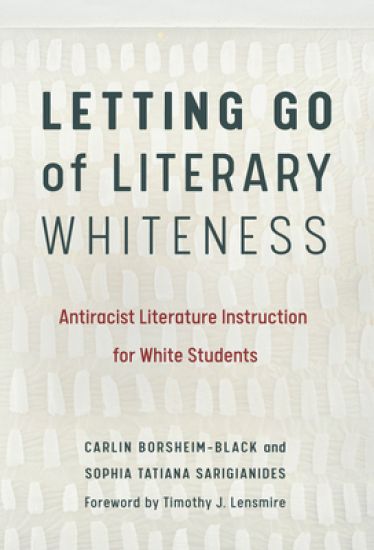
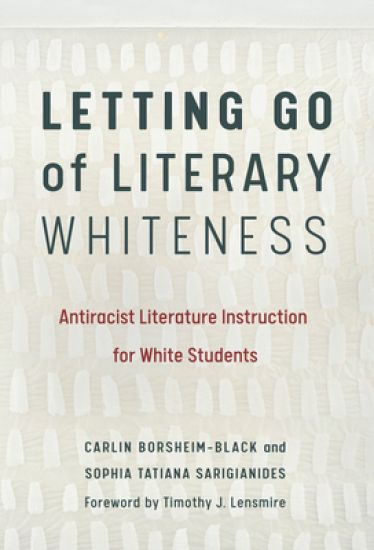
Letting Go of Literary Whiteness

Letting Go of Literary Whiteness

Carlin Borsheim-Black; Sophia Tatiana Sarigianides; Timothy J. Lensmire

Teachers' College Press
2019
sidottu
Rooted in examples from their own and others' classrooms, the authors offer discipline-specific practices for implementing antiracist literature instruction in White-dominant schools. Each chapter explores a key dimension of antiracist literature teaching and learning, including designing literature-based units that emphasize racial literacy, selecting literature that highlights voices of color, analyzing Whiteness in canonical literature, examining texts through a critical race lens, managing challenges of race talk, and designing formative assessments for racial literacy and identity growth. Book Features:Specific classroom scenarios and transcripts of race-related challenges that teachers will recognize to help situate suggested strategiesSample racial literacy objectives, questions, and assessments to guide unit instruction. A literature-based unit that addresses societal racism in A Raisin in the Sun. Assignments for exploring Whiteness in the teaching of The Adventures of Huckleberry Finn. Questions teachers can use to examine To Kill a Mockingbird through a critical race lens. Techniques for managing difficult moments in whole group discussions. Collaborative glossary and exploratory essay assignments to build understanding of race-based concepts and racial identity development.
Letting Go of Literary Whiteness

Letting Go of Literary Whiteness

Carlin Borsheim-Black; Sophia Tatiana Sarigianides; Timothy J. Lensmire

Teachers' College Press
2019
nidottu
Rooted in examples from their own and others' classrooms, the authors offer discipline-specific practices for implementing antiracist literature instruction in White-dominant schools. Each chapter explores a key dimension of antiracist literature teaching and learning, including designing literature-based units that emphasize racial literacy, selecting literature that highlights voices of color, analyzing Whiteness in canonical literature, examining texts through a critical race lens, managing challenges of race talk, and designing formative assessments for racial literacy and identity growth. Book Features:Specific classroom scenarios and transcripts of race-related challenges that teachers will recognize to help situate suggested strategiesSample racial literacy objectives, questions, and assessments to guide unit instruction. A literature-based unit that addresses societal racism in A Raisin in the Sun. Assignments for exploring Whiteness in the teaching of The Adventures of Huckleberry Finn. Questions teachers can use to examine To Kill a Mockingbird through a critical race lens. Techniques for managing difficult moments in whole group discussions. Collaborative glossary and exploratory essay assignments to build understanding of race-based concepts and racial identity development.
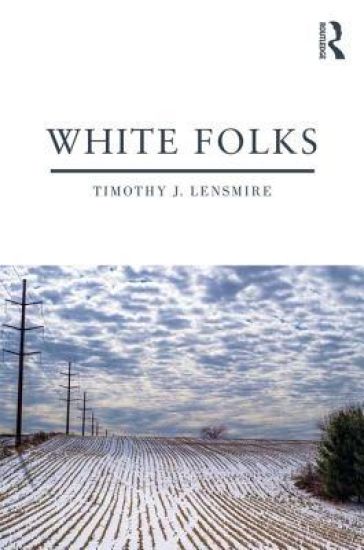
White Folks

White Folks

Timothy J. Lensmire

Routledge
2017
nidottu
White Folks explores the experiences and stories of eight white people from a small farming community in northern Wisconsin. It examines how white people learn to be ‘white’ and reveals how white racial identity is dependent on people of color—even in situations where white people have little or no contact with racial others. Drawing on in-depth interviews with Delores, Frank, William, Erin, Robert, Libby, and Stan, as well as on his own experiences growing up in this same rural community, Lensmire creates a portrait of white people that highlights how their relations to people of color and their cultures are seldom simple and are characterized not just by fear and rejection, but also by attraction, envy, and desire. White Folks helps readers recognize the profound ambivalence that has characterized white thinking and feeling in relation to people of color for at least the last two hundred years. There is nothing smooth about the souls of white folks. Current antiracist work is often grounded in a white privilege framework that has proven ineffective — in part because it reduces white people to little more than the embodiment of privilege. Lensmire provides an alternative that confronts the violence at the core of white racial selves that has become increasingly visible in American society and politics, but that also illuminates conflicts and complexities there.