Kirjojen hintavertailu – 12 859 818 kirjaa ja 27 kauppaa

Kirjailija

Timothy K. Beal

Kirjat ja teokset yhdessä paikassa: 5 kirjaa, julkaisuja vuosilta 1997–2004, suosituimpiin kuuluu Theory for Religious Studies. Vertaile teosten hintoja ja tarkista saatavuus suomalaisista kirjakaupoista.

5 kirjaa

Kirjojen julkaisuvuodet: 1997–2004.

Theory for Religious Studies

Theory for Religious Studies

William E. Deal; Timothy K. Beal

Routledge
2004
sidottu
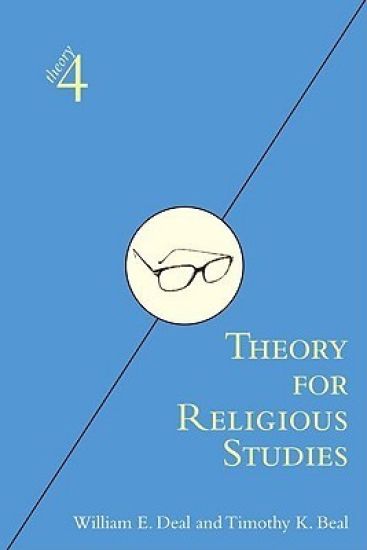
In this handy volume, two professors of religious studies provide the student of religious studies - whether the motivated undergraduate, graduate student, or professor - with a brief review of theorists' work from the perspective of religious studies. For example, in 5-10 pages, the reader will get a review of Emmanuel Levinas's work as it offers insights for scholars in religious studies, followed by a selected bibliography. In short, this is a guide for students of religious studies that will take major theoretical writers in the humanities and social sciences and explain their relevance to the study of religion.
Theory for Religious Studies

Theory for Religious Studies

William E. Deal; Timothy K. Beal

Routledge
2004
nidottu
In this handy volume, two professors of religious studies provide the student of religious studies - whether the motivated undergraduate, graduate student, or professor - with a brief review of theorists' work from the perspective of religious studies. For example, in 5-10 pages, the reader will get a review of Emmanuel Levinas's work as it offers insights for scholars in religious studies, followed by a selected bibliography. In short, this is a guide for students of religious studies that will take major theoretical writers in the humanities and social sciences and explain their relevance to the study of religion.
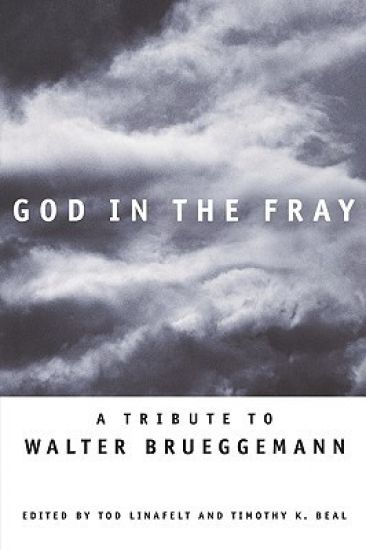
God in the Fray

God in the Fray

Timothy K. Beal; Tod Linafelt

Augsburg Fortress
1998
pokkari
This volume engages the work of Walter Brueggemann, most of which has been published by Fortress Press. The volume centers on the character of God in the text of the Old Testament as a site of theological tension and even ambivalence. Biblical faith never experiences God as entirely above the fray but rather as entangled in history, astonishingly transformative, and impinged upon by the voices of the suffering. Brueggemann's monumental Theology of the Old Testament addresses this fact with great theological insight and rigor, and the internationally renowned biblical scholars writing here engage and extend his insights into the "unsettled Character . . . at the center of the text."
The Book of Hiding

The Book of Hiding

Timothy K. Beal

Routledge
1997
nidottu
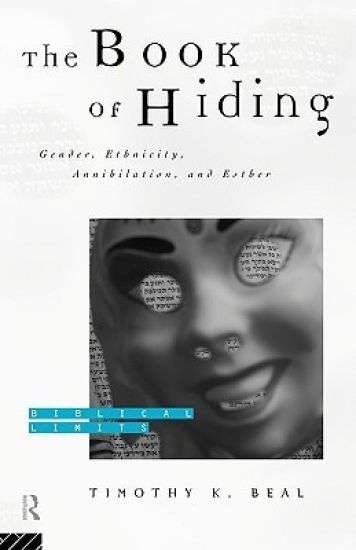
The Book of Hiding offers a fluent and erudite analysis of the parallels between the Bible and contemporary discussions of gender, ethnicity and social ambiguity. Beal focuses particularly on the traditionally marginalised book of Esther, in order to examine closely the categories of self and other in relation to religion, sexism, nationalism, and the ever-looming legacies and future possibilities of annihilation. Beal applies the critical tools of contemporary theorists, such as Cixous, Irigaray and Levinas, challenging widely held assumptions about the moral and life-affirming message of Scripture and even about the presence of God in the book of Esther. The Book of Hiding draws together a variety of different perspectives and disciplines, creating a unique space for dialogue raising new questions and reconsidering old assumptions, which is profoundly interesting and well-articulated.
The Book of Hiding

The Book of Hiding

Timothy K. Beal

Routledge
1997
sidottu
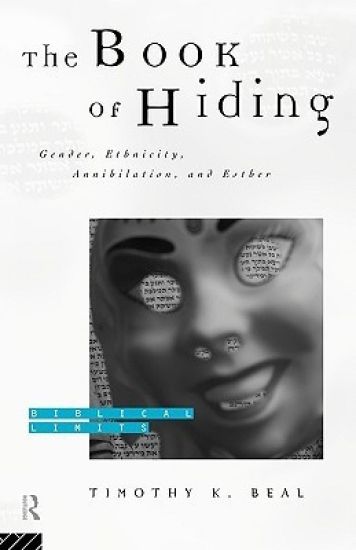
The Book of Hiding offers a fluent and erudite analysis of the parallels between the Bible and contemporary discussions of gender, ethnicity and social ambiguity. Beal focuses particularly on the traditionally marginalised book of Esther, in order to examine closely the categories of self and other in relation to religion, sexism, nationalism, and the ever-looming legacies and future possibilities of annihilation. Beal applies the critical tools of contemporary theorists, such as Cixous, Irigaray and Levinas, challenging widely held assumptions about the moral and life-affirming message of Scripture and even about the presence of God in the book of Esther. The Book of Hiding draws together a variety of different perspectives and disciplines, creating a unique space for dialogue raising new questions and reconsidering old assumptions, which is profoundly interesting and well-articulated.