Kirjojen hintavertailu – 12 859 828 kirjaa ja 27 kauppaa

Kirjailija

Tina Rae

Kirjat ja teokset yhdessä paikassa: 42 kirjaa, julkaisuja vuosilta 1999–2025, suosituimpiin kuuluu Teaching Tools 2. Vertaile teosten hintoja ja tarkista saatavuus suomalaisista kirjakaupoista.

42 kirjaa

Kirjojen julkaisuvuodet: 1999–2025.

Creating Gender-Fair Schools, Classrooms and Colleges

Creating Gender-Fair Schools, Classrooms and Colleges

Lynn Raphael Reed; Tina Rae

SAGE Publications Inc
2007
nidottu
For many teachers, gender issues related to role models, image and expectations have an effect upon the behaviour and achievement of both boys and girls, often to their disadvantage. This innovative and practical resource, for teachers of students aged 14-19provides: o a programme to promote gender equality and inclusivity in schools and colleges o a rationale for the programme based on social justice o a practical set of classroom activities to implement the programme The book adopts an 'action inquiry' methodology - engaging students and staff in the processes of investigating what is currently happening, and planning, implementing and reviewing improvements. This contributes to the development of the school or college as a self-evaluating organisation which listens to the voice of the young person. The programme also supports teachers and other school staff in developing as reflective practitioners, and children and young people in developing as reflective learners. 'A real strength of the resource is the inclusion of practical activities that have been carefully designed for pupils. These are excellent and lend themselves for use in a variety of ways. This is a thoroughly recommended resource.' - SENCO Update
Creating Gender-Fair Schools & Classrooms

Creating Gender-Fair Schools & Classrooms

Lynn Raphael Reed; Tina Rae

SAGE Publications Inc
2007
nidottu
Includes CD-Rom For many teachers, gender issues related to role models, image and expectations have an effect upon the behaviour and achievement of both boys and girls, often to their disadvantage. This innovative and practical resource, for teachers of students aged 5-13 provides: o a programme to promote gender equality and inclusivity in schools and colleges o a rationale for the programme based on social justice o a practical set of classroom activities to implement the programme The book combines the talents and commitment of two leading authors to provide an 'action inquiry' methodology - engaging students and staff in the processes of investigating what is currently happening, and planning, implementing and reviewing improvements. This contributes to the development of the school as a self-evaluating organisation, which listens to the voice of the child. The programme supports teachers and other school staff in developing as reflective practitioners, and children and young people in developing as reflective learners. It can also be used to engage schools and colleges in joining the UNICEF 'Rights Respecting' programme which is demonstrating positive results. 'A real strength of the resource is the inclusion of practical activities that have been carefully designed for pupils. These are excellent and lend themselves for use in a variety of ways. This is a thoroughly recommended resource.' - SENCO Update
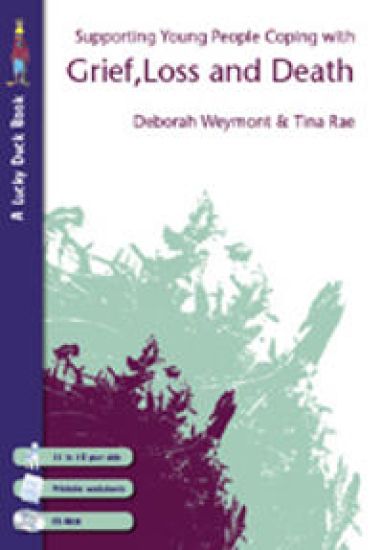
Supporting Young People Coping with Grief, Loss and Death

Supporting Young People Coping with Grief, Loss and Death

Deborah Weymont; Tina Rae

SAGE Publications Inc
2006
nidottu
Includes CD-Rom 'This book provides an excellent resource for secondary schools to be used in supporting young people coping with grief, loss and death'-Educational Psychology in Practice. As the importance of emotional literacy is better established in schools as a pre-requisite for improving achievement, the PSCHE curriculum is increasingly used to offer young people opportunities to express and manage their strong feelings. This book by two experienced and talented authors has been derived from their research and practical work with teenagers. It provides students aged 11 to 18 with an opportunity to: - consider the effects of grief, loss, and death; - develop the ability to talk about, acknowledge and manage the feelings associated with the grieving process; - maintain mental health and resilience. Most important, is the emphasis on the development of emotional literacy skills and specifically the development of an emotional vocabulary, empathy, tolerance and resilience. The focus on death and loss and the process of grieving is central to the course. The way in which supporting materials are sensitively illustrated and designed for easy differentiation is also a key feature. Teacher/facilitator notes, copiable activities and all resources are provided for the 10 sessions, which can be delivered to either the whole class or to smaller groups of students. Tina Rae is a Senior Educational Psychologist based in Hillingdon. Deborah Weymont is a teacher based in Bristol.
Supporting Young People Coping with Grief, Loss and Death

Supporting Young People Coping with Grief, Loss and Death

Deborah Weymont; Tina Rae

SAGE Publications Inc
2006
sidottu
Includes CD-Rom 'This book provides an excellent resource for secondary schools to be used in supporting young people coping with grief, loss and death'- Educational Psychology in Practice. As the importance of emotional literacy is better established in schools as a pre-requisite for improving achievement, the PSCHE curriculum is increasingly used to offer young people opportunities to express and manage their strong feelings. This book by two experienced and talented authors has been derived from their research and practical work with teenagers. It provides students aged 11 to 18 with an opportunity to: - consider the effects of grief, loss, and death; - develop the ability to talk about, acknowledge and manage the feelings associated with the grieving process; - maintain mental health and resilience. Most important, is the emphasis on the development of emotional literacy skills and specifically the development of an emotional vocabulary, empathy, tolerance and resilience. The focus on death and loss and the process of grieving is central to the course. The way in which supporting materials are sensitively illustrated and designed for easy differentiation is also a key feature. Teacher/facilitator notes, copiable activities and all resources are provided for the 10 sessions, which can be delivered to either the whole class or to smaller groups of students. Tina Rae is a Senior Educational Psychologist based in Hillingdon. Deborah Weymont is a teacher based in Bristol.
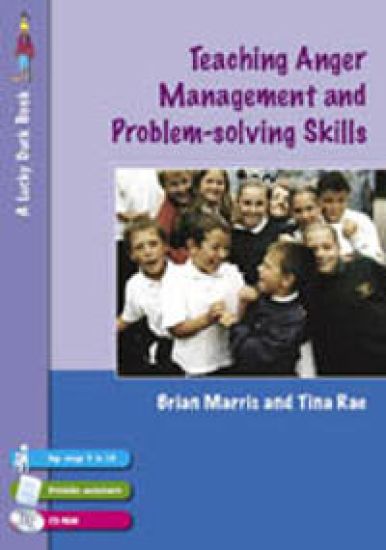
Teaching Anger Management and Problem-solving Skills for 9-12 Year Olds
Based on the work of the Hillingdon Tuition Centre, this is a practical, innovative and useful resource for nine to 12 year olds whose behaviour is causing concern. Using the theme of a young boy writing letters from a Pupil Referral Unit, each session includes: o warm up activities o reading the letter o group discussion o activities o a plenary session. By creating this fictional character, Daniel, typical difficulties can be addressed safely by the participants. The book follows a similar format to the authors' popular Escape from Exclusion (shortlisted for the TES/NASEN Book for Teaching and Learning Award).
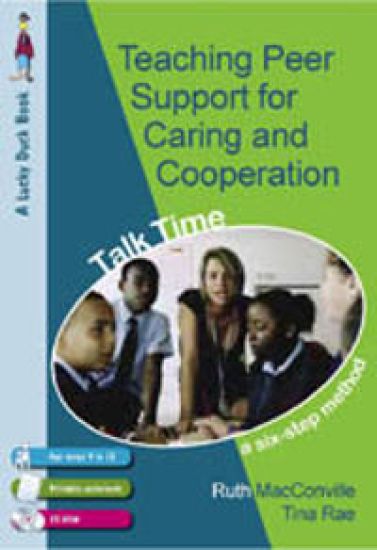
Teaching Peer Support for Caring and Co-operation

Teaching Peer Support for Caring and Co-operation

Tina Rae; Ruth M Macconville

SAGE Publications Inc
2006
nidottu
Includes CD-Rom 'In light of Every Child Matters agenda and of the current emphasis on giving children a voice in important decision making situations, this book could be a valuable tool'- Educational Psychology in Practice 'This is a great little book designed to help children between the ages nine and 12 to develop good relationships with each other and with other people... [It] includes clear guidance on ways in which children themselves can raise the self-esteem and social status of their less popular peers through listening, talking and understanding others' - SENCO Update Ruth and Tina draw upon their experiences to provide a peer support programme that encourages inclusive prosocial processes for young people aged nine to twelve. Drawing upon the philosophy of a Circle of Friends, they have developed a six-step programme that harnesses the skills of popular young people to help others who may have low social status. The Talk Time programme builds on the message that relationships are what matter most and emphasizes that relationships happen through listening, talking and understanding others. The book provides all the resources needed including: • facilitators' notes • pupil resources • letter to parents • staff briefing sheet • pupil certificate. The programme is intended to be run for a group of eight to twelve pupils once a week during lunch times for one term. The aim is to help all group members and hopefully carry over to improve the social climate of the classroom and create a positive and cooperative working environment. Ruth MacConville is the Head of the Special Educational Needs service, based in Ealing. Tina Rae is a Senior Educational Psychologist based in Hillingdon.
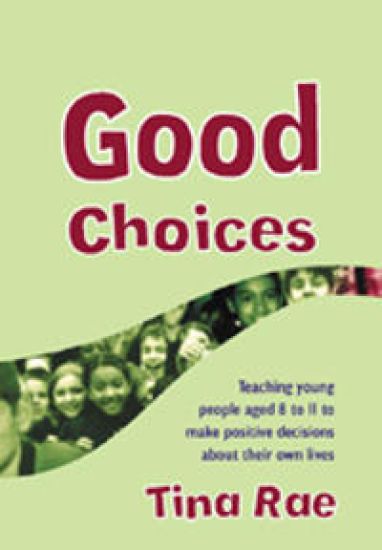
Good Choices

Good Choices

Tina Rae

SAGE Publications Inc
2006
nidottu
Includes CD-Rom ` I would recommend this book to educational psychologists as it enables realistic interventions within realistic timeframes'-Educational Psychology in Practice `Nothing is so exhausting as indecision, and nothing is so futile' - Bertrand Russell .. and teachers, parents and carers worry that the decisions that children and young people make might be unwise or dangerous. Decision making is a skill involving both a cognitive and an affective process. The ability to: - recognize the thoughts and feelings; - consider the consequences; - choose the best outcome; is a highly valued facility leading to resilience, achievement and responsibility. The skill can be taught and in these three volumes the authors provide all the materials needed to teach a course on decision making at each age level. The programme provides a menu of stories related to the real life experiences of the young people. Topics are selected to be age appropriate and the series includes: " Stealing; " Lying; " Social behaviours; " Risks; " Justice; " Loss,Grief and Bereavement; " Prejudice; " First love; " Disability; " Leaving home; " Family relationships. The teacher notes indicate 'stopping points' where reflection and discussion is encouraged. A choice of endings is offered or the young people can develop their own ideas about what might happen next. The course can be introduced at any age or used to develop the skills through school life from early years to the teens. 'You'd be hard pushed to find a better decision-making programme than this excellent set of books... This series will undoubtedly kick-start conversation, prod thinking and stimulate classroom debate' - Times Educational Supplement Magazine
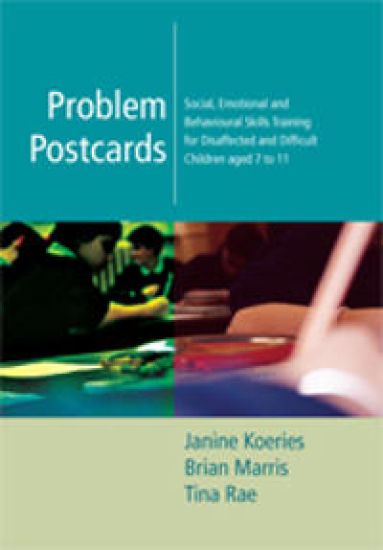
Problem Postcards

Problem Postcards

Janine Koeries; Brian Marris; Tina Rae

SAGE Publications Inc
2005
nidottu
`This is an excellent resource for teachers and other education professionals who are developing their practice in dealing with specific issues in schools. It is concise, well designed and, in the introductory section, linked to current theory. It will prove an invaluable resource for teachers and others who want to develop the social and emotional skills of their pupils' - Special `There is a wealth of supporting resources in the form of suggested warm up activities and the specifics are the problem solving format as applied to different situations. The accompanying CD contains A4 copies of all worksheets, which are accessible, eye-catching and should appeal to the target age group (7-11)' - Nurturing Potential This 14-session programme was initially developed for junior age children who had been permanently excluded. It has been adapted to assist young people who are disaffected and difficult, and could be at risk of exclusion. The format is built around Circle Time activities and solution focused thinking. The theme of each session is a problem postcard from a young person highlighting a problem that will have a relevance to the participants. The participants then try to act as agony aunts to solve the problem, focussing their thinking on how to make things better, proving to them that they do possess the knowledge and the skills and can choose these behaviours. The resource includes comprehensive facilitator instructions, warm ups, activities, Circle Time questions and worksheets. The programme can be delivered to groups or whole classes and will: • improve self-esteem • develop your Social, Emotional and Behavioural Skills (SEBS) programme.
Mighty Motivators

Mighty Motivators

Claire Watts; Tina Rae

SAGE Publications Inc
2004
nidottu
- Contains 296 printable worksheets on a CD-ROM! These resources aim to encourage teachers, parents or carers and children to work in partnership in setting appropriate targets which will promote positive attitudes to learning and behaviour within the classroom and school context. Children are encouraged to see themselves as learners in a positive way, enhancing their self-image and in turn affecting their learning and behaviour. The resources can be used to reinforce positive learning patterns and behaviour in all children, but they are particularly useful for work with children who exhibit learning and emotional and behavioural difficulties. There are facilitator notes on how to use the 12 sections, which include: • target book covers • daily reward sheets • weekly reward sheets • playtime reward charts • reward charts for home and school.
Remembering

Remembering

Lorna Patricia Nelson; Tina Rae

Paul Chapman Publishing Ltd
2004
nidottu
`This book is easy to read and the accompanying computer CD of worksheets to print out is particularly useful' - Bereavement Care All children experience loss, often a death or a family separation; sometimes a friend moves away or a pet dies. Loss is the inevitable consequence of the positive experience of attachment. In this beautiful book Tina and Lorna offer teachers a resource that will support their understanding of the process and facilitate a range of activities which: - acknowledge the experience of loss - allow the expression of pain, fear, sadness - present the process as a shared experience - encourage communication - facililate recovery. This range of sensitive, positive and emotionally literate activities can be used in whole class, small group or individual settings and sit well in several primary and secondary PSCHE curriculum areas.
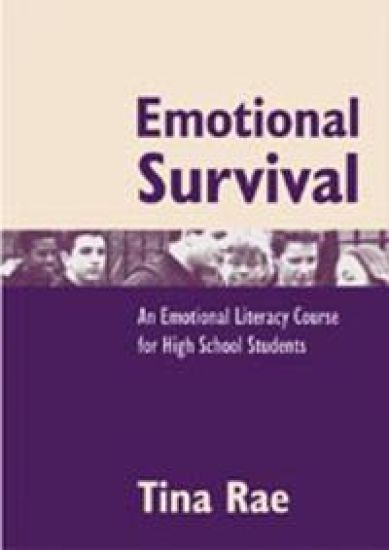
Emotional Survival

Emotional Survival

Tina Rae

Lucky Duck Publishing
2004
nidottu
Thank you, Thank you. I have been looking for months for an EL course for secondary pupils. This book is fantastic' - Anne Sinar, Teaching and Learning Co-ordinator, Beacon Hill High School, Blackpool There is an increasing demand for resources to support teachers in developing young peoples emotional literacy. The 20 lessons explore a range of feelings and provide facilitator notes and activities to help young people: " recognise their emotions in order to be able to label or define them " manage their emotions in order to develop and sustain positive relationships. The 20 lessons include: " introduction to an emotion and warm-up " questions for Circle Time and activities " take home tasks and reinforcement " ideas for a plenary session. Includes photocopiable resources and printable worksheets on the CD. As with all Tinas books this is a practical resource which will engage young people.
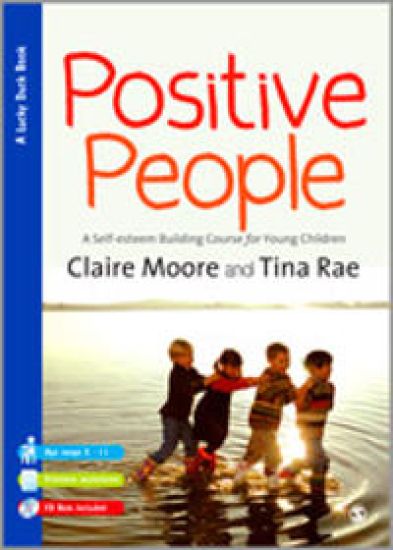
Positive People

Positive People

Claire Watts; Tina Rae

Paul Chapman Publishing Ltd
2000
nidottu
`What makes this book a potential winner is the way in which the underlying theoretical principles are first of all clearly outlined (no jargon here!) and then are fully developed in a series of practical activities. The book is crammed full of ideas… accessible worksheets… it is excellent… thoroughly recommend it' - Special `This handbook is likely to be a very excellent addition to resource materials available for primary phase teachers to build on their knowledge of circle time and self-esteem activities. The structured format is very easy to follow and provides teachers with clearly planned activities to enable them to practice and extend their skills in this area' - Educational Psychology in Practice This 12-session course for primary aged pupils builds on the Circle Time process to teach an extensive range of personal and social skills with activities and ideas for follow up work. Strategies to teach include: " listening " turn taking " accepting differences " giving and receiving compliments " co-operating with others " confident speaking to peers. Full lesson notes and beautifully drawn copiable resources provide everything a busy teacher needs to deliver this worthwhile programme of self-esteem activities.
Teaching Tools 2

Teaching Tools 2

Tina Rae; Elizabeth Smith

Teach to Inspire
1999
irtolehti
Motivational Interviewing (MI) was originally developed by Miller and Rollnick (1991, 2002) and was defined as a person-centred, directive method for enhancing intrinsic motivation to change by exploring and resolving ambivalence. Unlike non-directive counselling, this approach has been described as more focused and goal-directed. The examination and resolution of ambivalence is the key purpose and the facilitator adopting this approach will therefore be intentionally directive in pursuing this goal. Motivational Interviewing is a counselling technique originally developed within medical settings in order to support individuals with addiction problems. It is a powerful tool for use with young people who may not always wish to change their behaviours or have strong reasons why they wish to maintain certain behaviours. A central premise was that people are not always ready to change their patterns of behaviour and the approach does not presume or assume that people actually want to change particular aspects of their behaviour. Behaviour change is, in effect, reliant upon the individual's motivation. Change is motivated by a perceived discrepancy between present beliefs and important personal goals or values. Overall, it is the student who is responsible for choosing and carrying out the change. Using Motivational Interviewing with Young People In the school context concerns regarding an individual student's behaviour may well have come from a third part, for example, a parent, teacher, mentor. The young person concerned may not be motivated to change his behaviour and may not share the same aspirations or goals as these concerned adults. This resource is consequently aimed at students in order to encourage them to explore their own patterns of behaviour and to further develop an understanding of the change process and the benefits it might bring. The programme introduces students to MI and the basic Motivational Interviewing skills: 1. Open-ended questions. 2. Reflective listening. 3. Reframing. 4. Developing discrepancy. 5. Looking forward. The programme is both educational and therapeutic in design. The programme can provide some useful resources for the clinician engaged in individual interventions and the Learning Mentor, SENCO, Inclusion Manager or other professionals wishing to develop a programme of support for an individual student. A significant feature is the way in which students themselves are required to try out and make use of the key stills and strategies of the MI approach. The idea here is to promote this powerful notion of peer support and to encourage young people to perceive themselves as change agents who are both motivated and motivating to others.
Developing Social and Emotional Skills in the Early Years
Developing Social and Emotional Skills in the Early Years is a comprehensive programme for early years providers to support the development of young children's social and emotional skills. This latest offering from Tina Rae and Sara Daly will support early years practitioners in teaching pupils to develop basic skills in communicating emotions, making and sustaining friendships and modelling genuine and appropriate social and emotional responses. With an introductory PowerPoint presentation and facilitator notes, Developing Social and Emotional Skills in the Early Years will provide you with the practical and relevant resources you need to support your pupils' social and emotional development.