Kirjojen hintavertailu – 12 859 818 kirjaa ja 27 kauppaa
Kirjailija
Tina Steiner
Kirjat ja teokset yhdessä paikassa: 8 kirjaa, julkaisuja vuosilta 2009–2025, suosituimpiin kuuluu Foundational African Writers. Vertaile teosten hintoja ja tarkista saatavuus suomalaisista kirjakaupoista.
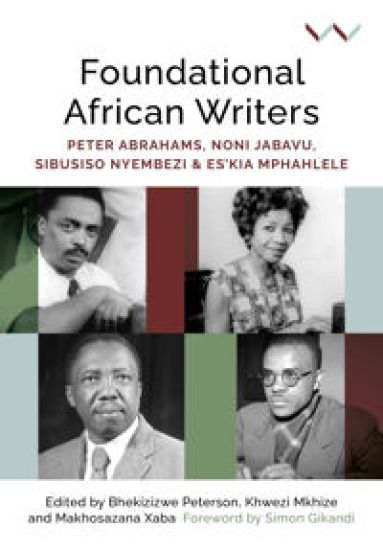
This collection explores the complexities of black existence, and intellectual and cultural life in the work and legacies of centenarian writers, Peter Abrahams, Noni Jabavu, Sibusiso Cyril Lincoln Nyembezi and Es'kia Mphahlele
This book discovers everyday forms of conviviality in fiction and life writing from Eastern and Southern Africa. It focuses on ordinary moments of recognition, of hospitality, of humour and kindness in everyday life to illuminate the significance of repertoires of repair in a world broken by relations of power. Through close readings of specific capacities of living with difference, the book excavates ideas of world-making, personhood and the possibilities of alternative social imaginaries from African perspectives. It highlights evanescent and more durable attempts at building solidarity across local and translocal settings by focussing on modes of address that invite reciprocity in contexts of injustice, which include Apartheid, colonialism, racism, patriarchy and xenophobia. Putting current research on conviviality in conversation with the literary texts, the book demonstrates how conviviality emerges as an enabling ethical practice, as critique and survival strategy and as embodied lived experience. The volume will be of great interest to scholars and researchers of Literary and Cultural Studies, especially Postcolonial Literature, African Studies and Indian Ocean Studies.
This book discovers everyday forms of conviviality in fiction and life writing from Eastern and Southern Africa. It focuses on ordinary moments of recognition, of hospitality, of humour and kindness in everyday life to illuminate the significance of repertoires of repair in a world broken by relations of power. Through close readings of specific capacities of living with difference, the book excavates ideas of world-making, personhood and the possibilities of alternative social imaginaries from African perspectives. It highlights evanescent and more durable attempts at building solidarity across local and translocal settings by focussing on modes of address that invite reciprocity in contexts of injustice, which include Apartheid, colonialism, racism, patriarchy and xenophobia. Putting current research on conviviality in conversation with the literary texts, the book demonstrates how conviviality emerges as an enabling ethical practice, as critique and survival strategy and as embodied lived experience. The volume will be of great interest to scholars and researchers of Literary and Cultural Studies, especially Postcolonial Literature, African Studies and Indian Ocean Studies.
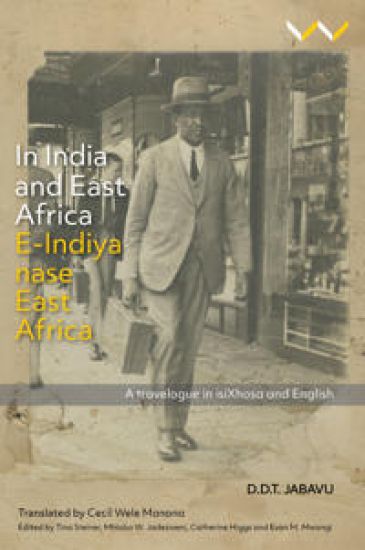
A politician's journey to bring home Mahatma Gandhi's teachings home to South Africa in the wake of WWII In November 1949, Davidson Don Tengo (D. D. T.) Jabavu, the South African politician, Methodist lay preacher and retired professor of African languages and Latin at Fort Hare University in the Eastern Cape, set out on a four-month trip to attend the World Pacifist Meeting in India. The conference brought together delegates from over thirty countries to reflect on how Mahatma Gandhi's life and teachings could inform pacifist work in the post-World War II era. Jabavu wrote an isiXhosa account of his journey up the east coast of Africa and to different parts of India which was first published in 1951 by Lovedale Press. His narrative contains wide-ranging reflections on the fauna and flora of the changing landscape, on intriguing social interactions during his travels, and on the conference itself, where he considered what lessons Gandhian principles might yield for oppressed South Africans engaged in struggles for freedom and dignity. He incorporates accounts of chance meetings with important figures of post-independence India and of the anti-colonial struggle in East Africa, as well as with members of the American civil rights movement. His commentary on non-violent resistance, and on the dangers of nationalism when coupled with militarism and racism, enriches the existing archive of intellectual and political exchange between Africa and India from a black South African perspective. This new edition includes Jabavu's travelogue in the original isiXhosa, with an English translation by the late anthropologist Cecil Wele Manona. Tina Steiner's introductory chapter examines the networks of international solidarity and friendship that Jabavu helped to strengthen in the course of his travels. A chapter by Mhlobo W. Jadezweni, whose updating of the original isiXhosa orthography has made Jabavu's text accessible to new generations of readers, considers the richness of Jabavu's isiXhosa style as a contribution to the archive of great African-language literature. Catherine Higgs provides biographical sketches of D. D. T. Jabavu and Cecil Wele Manona which situate this travelogue within the broader context of their lives. Evan M. Mwangi's Afterword is a reflection on the historical and political significance of making African-language texts available to readers across Africa.
A politician's journey to bring home Mahatma Gandhi's teachings home to South Africa in the wake of WWII In November 1949, Davidson Don Tengo (D. D. T.) Jabavu, the South African politician, Methodist lay preacher and retired professor of African languages and Latin at Fort Hare University in the Eastern Cape, set out on a four-month trip to attend the World Pacifist Meeting in India. The conference brought together delegates from over thirty countries to reflect on how Mahatma Gandhi's life and teachings could inform pacifist work in the post-World War II era. Jabavu wrote an isiXhosa account of his journey up the east coast of Africa and to different parts of India which was first published in 1951 by Lovedale Press. His narrative contains wide-ranging reflections on the fauna and flora of the changing landscape, on intriguing social interactions during his travels, and on the conference itself, where he considered what lessons Gandhian principles might yield for oppressed South Africans engaged in struggles for freedom and dignity. He incorporates accounts of chance meetings with important figures of post-independence India and of the anti-colonial struggle in East Africa, as well as with members of the American civil rights movement. His commentary on non-violent resistance, and on the dangers of nationalism when coupled with militarism and racism, enriches the existing archive of intellectual and political exchange between Africa and India from a black South African perspective. This new edition includes Jabavu's travelogue in the original isiXhosa, with an English translation by the late anthropologist Cecil Wele Manona. Tina Steiner's introductory chapter examines the networks of international solidarity and friendship that Jabavu helped to strengthen in the course of his travels. A chapter by Mhlobo W. Jadezweni, whose updating of the original isiXhosa orthography has made Jabavu's text accessible to new generations of readers, considers the richness of Jabavu's isiXhosa style as a contribution to the archive of great African-language literature. Catherine Higgs provides biographical sketches of D. D. T. Jabavu and Cecil Wele Manona which situate this travelogue within the broader context of their lives. Evan M. Mwangi's Afterword is a reflection on the historical and political significance of making African-language texts available to readers across Africa.
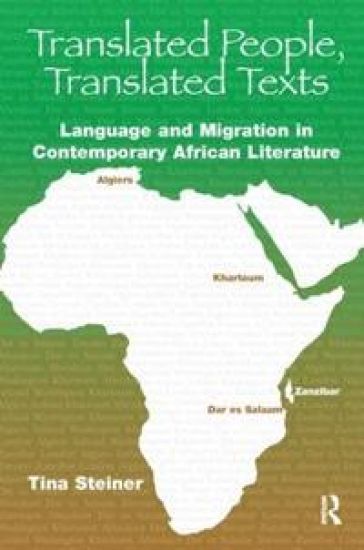
Translated People, Translated Texts examines contemporary migration narratives by four African writers who live in the diaspora and write in English: Leila Aboulela and Jamal Mahjoub from the Sudan, now living in Scotland and Spain respectively, and Abdulrazak Gurnah and Moyez G. Vassanji from Tanzania, now residing in the UK and Canada. Focusing on how language operates in relation to both culture and identity, Steiner foregrounds the complexities of migration as cultural translation. Cultural translation is a concept which locates itself in postcolonial literary theory as well as translation studies. The manipulation of English in such a way as to signify translated experience is crucial in this regard. The study focuses on a particular angle on cultural translation for each writer under discussion: translation of Islam and the strategic use of nostalgia in Leila Aboulela's texts; translation and the production of scholarly knowledge in Jamal Mahjoub's novels; translation and storytelling in Abdulrazak Gurnah's fiction; and translation between the individual and old and new communities in Vassanji's work. Translated People, Translated Texts makes a significant contribution to our understanding of migration as a common condition of the postcolonial world and offers a welcome insight into particular travellers and their unique translations.
Translated People, Translated Texts examines contemporary migration narratives by four African writers who live in the diaspora and write in English: Leila Aboulela and Jamal Mahjoub from the Sudan, now living in Scotland and Spain respectively, and Abdulrazak Gurnah and Moyez G. Vassanji from Tanzania, now residing in the UK and Canada. Focusing on how language operates in relation to both culture and identity, Steiner foregrounds the complexities of migration as cultural translation. Cultural translation is a concept which locates itself in postcolonial literary theory as well as translation studies. The manipulation of English in such a way as to signify translated experience is crucial in this regard. The study focuses on a particular angle on cultural translation for each writer under discussion: translation of Islam and the strategic use of nostalgia in Leila Aboulela's texts; translation and the production of scholarly knowledge in Jamal Mahjoub's novels; translation and storytelling in Abdulrazak Gurnah's fiction; and translation between the individual and old and new communities in Vassanji's work. Translated People, Translated Texts makes a significant contribution to our understanding of migration as a common condition of the postcolonial world and offers a welcome insight into particular travellers and their unique translations.