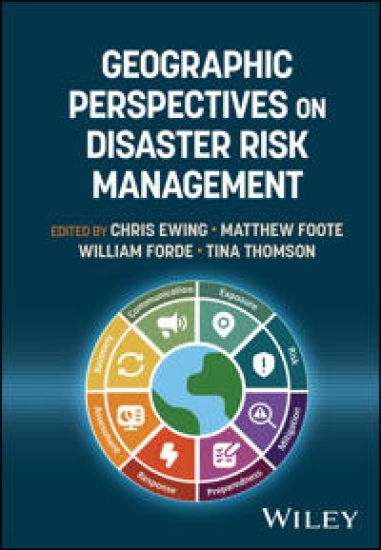
Geographic Perspectives on Disaster Risk Management
Chris Ewing; Matthew Foote; William Forde; Tina Thomson
JOHN WILEY SONS INC
2026
sidottu
Geographic Perspectives on Disaster Risk Management examines the essential role of geospatial data and analysis throughout the disaster risk management lifecycle, addressing how we understand, prepare for, respond to, and recover from disasters. It brings together approaches, data sources, and analytical tools from diverse sectors including international development, disaster management, emergency response, insurance, defence, and commerce. By comparing methodologies across these fields, common challenges and best practices are identified that can inform future risk management strategies. Structured around the disaster risk cycle (preparation, response, recovery, and mitigation) the book covers four key areas: the representation of assets at risk through exposure and vulnerability mapping; risk preparedness and mitigation strategies; response mechanisms including event monitoring, damage assessment, and resilience building; and effective approaches to risk communication and decision-making. It includes practical case studies that illustrate real-world challenges and solutions, highlighting current capabilities while considering future developments in data availability, analytical techniques, and climate risk assessment. Designed as both a practitioner's guide and academic resource, Geographic Perspectives on Disaster Risk Management serves those working directly in disaster risk management as well as researchers seeking to understand how geographic perspectives can enhance our capacity to manage disaster risk in an era of increasing environmental uncertainty.